


Making my base map with Neptune, questions.


Thread Starter
Honda-Tech Member
Joined: Mar 2013
Posts: 1,068
Likes: 2
From: Washington State
 Making my base map with Neptune, questions.
So I made a base map for my car, and I was wondering if someone with more experience can take a look at my pics and tell me if anything should be slightly adjusted to better it. I will need to use for several months before I can take to a tuner to have street tuned/dyno. My car isnt very built, but I do have a bit done over stock.
I understand Im sort of asking to be spoon feed here, but Im new to the whole engine management game. I just finished my swap with what I feel was a lot invested, and want to to work right.
Short list of mods that may matter to engine
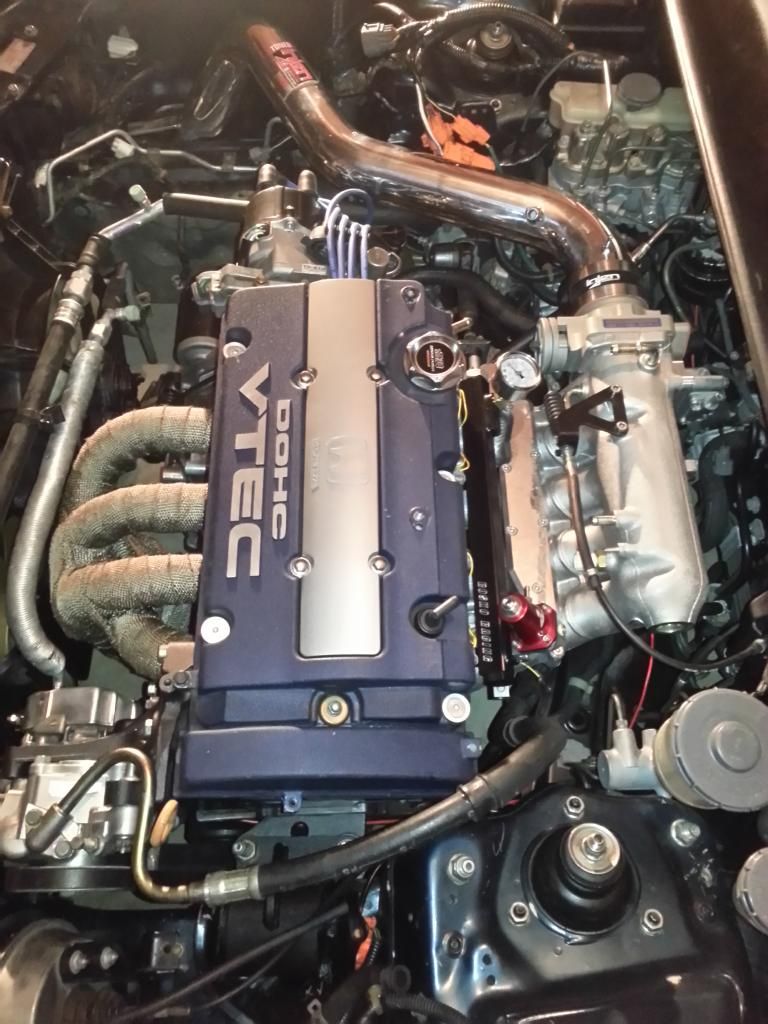
-H23aV blue top 11.3:1, stock cams
-RDX 410cc injectors - currently running 40psi, but plans to up psi to 70psi before actual tune for 550cc's.
-Euro-r manifold and T2W4 trans
-68mm TB
-plm header to full custom 2.5/3.0 inch exhaust
-Injen true cold air
-Kaizen speed BS delete
-8lb flywheel
I also have no EGR or any other form of emissions parts left in the car.
Some Q's
1- I couldnt find where to uncheck egr either.. Or does it come without already?
2- how does the IACV duty cycle adjustment work?
3- on the injector battery presets do I choose the injectors I have "which ive done RDX" or the oem originals?
4- I had to set idle at 1200 for 1000 steady rpm idle, is that normal to need to over adjust on some things on the programs end?
--Sorry for random pic order--


Thanks in advance to any replies!
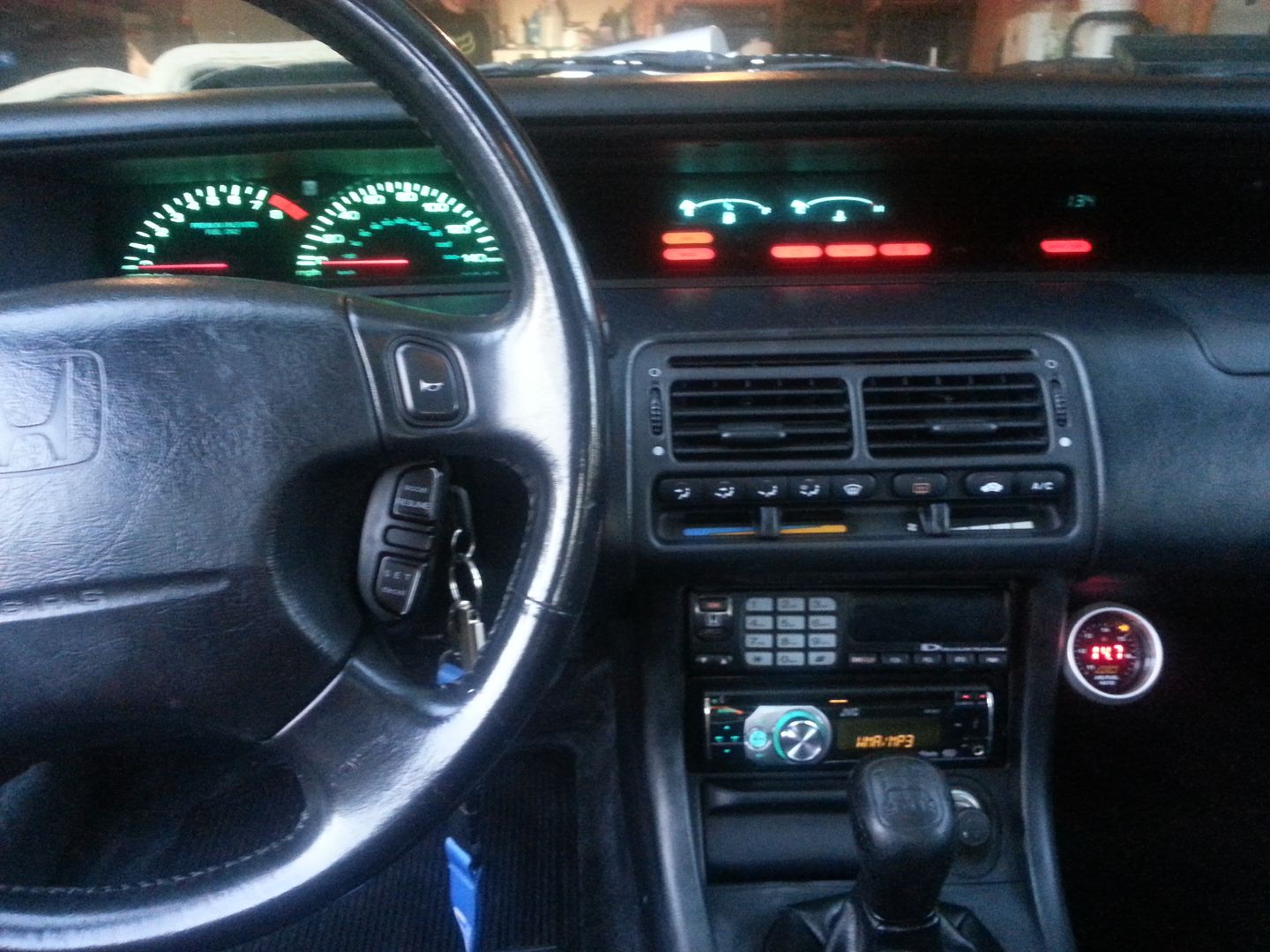
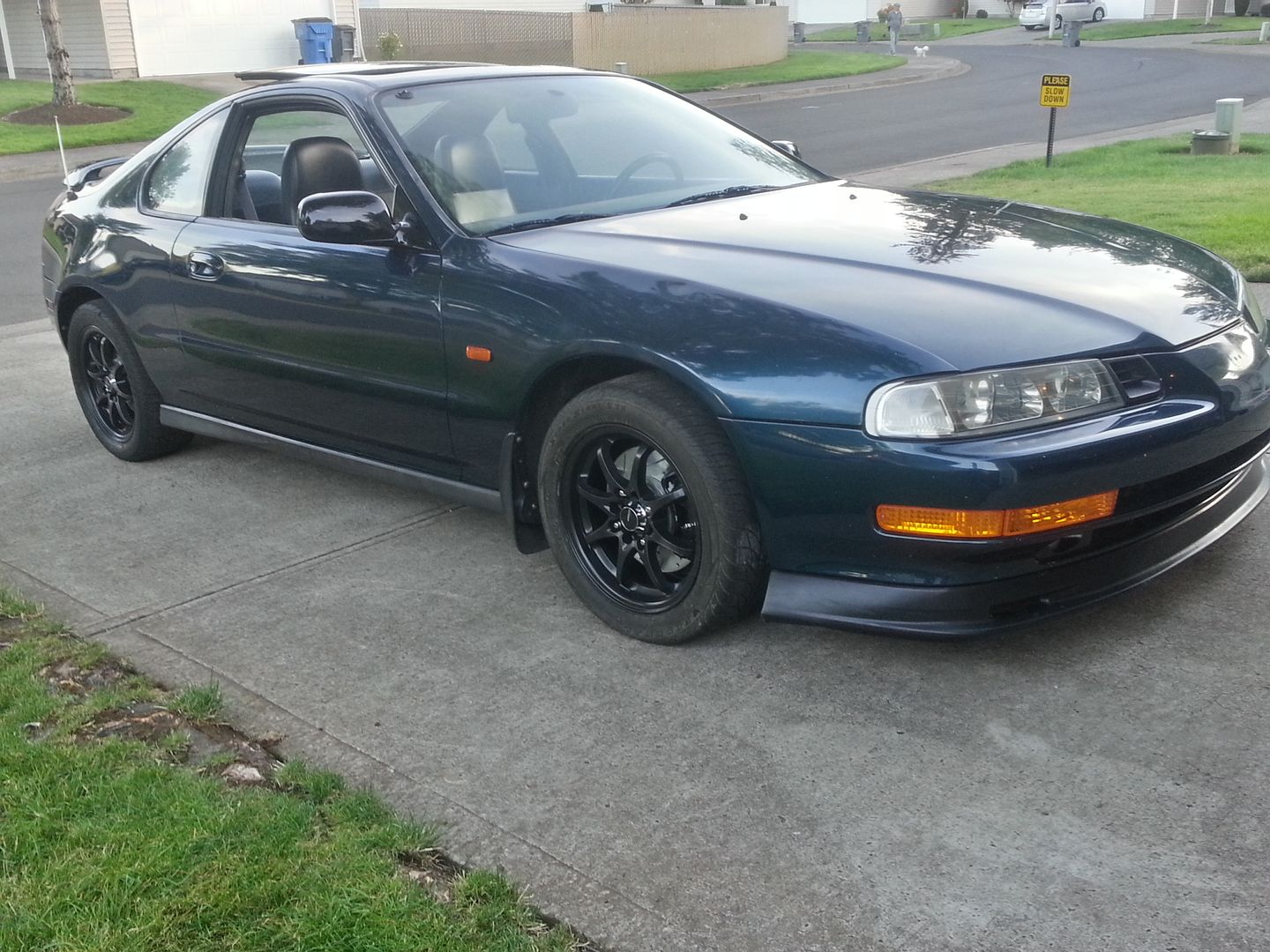
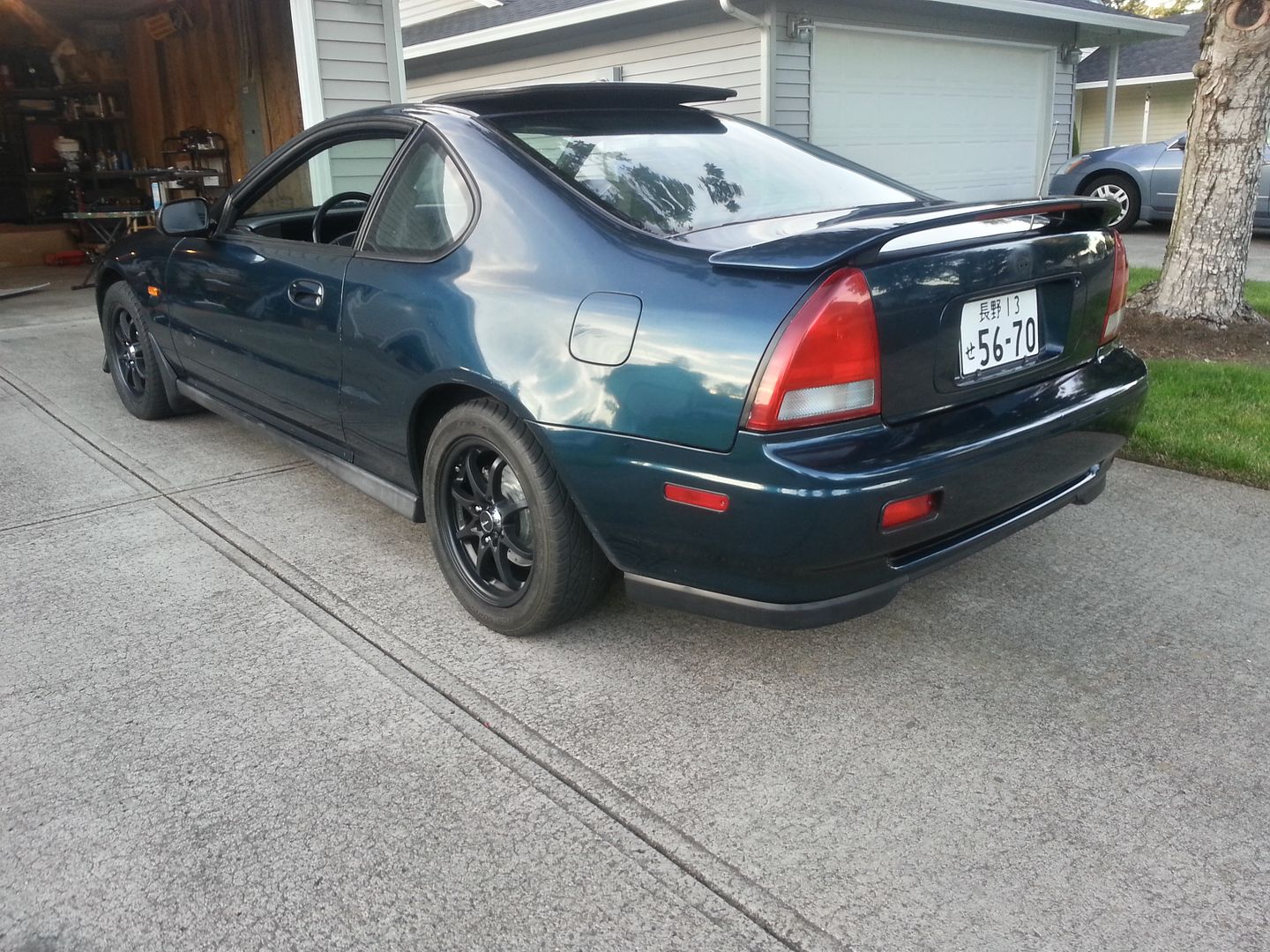
Here is a couple pics of my build and a link to my thread.
https://honda-tech.com/honda-prelude...dates-3201446/
I understand Im sort of asking to be spoon feed here, but Im new to the whole engine management game. I just finished my swap with what I feel was a lot invested, and want to to work right.
Short list of mods that may matter to engine
-H23aV blue top 11.3:1, stock cams
-RDX 410cc injectors - currently running 40psi, but plans to up psi to 70psi before actual tune for 550cc's.
-Euro-r manifold and T2W4 trans
-68mm TB
-plm header to full custom 2.5/3.0 inch exhaust
-Injen true cold air
-Kaizen speed BS delete
-8lb flywheel
I also have no EGR or any other form of emissions parts left in the car.
Some Q's
1- I couldnt find where to uncheck egr either.. Or does it come without already?
2- how does the IACV duty cycle adjustment work?
3- on the injector battery presets do I choose the injectors I have "which ive done RDX" or the oem originals?
4- I had to set idle at 1200 for 1000 steady rpm idle, is that normal to need to over adjust on some things on the programs end?
--Sorry for random pic order--


Thanks in advance to any replies!
Here is a couple pics of my build and a link to my thread.
https://honda-tech.com/honda-prelude...dates-3201446/


Honda-Tech Member


Joined: Feb 2010
Posts: 1,278
Likes: 176
Re: Making my base map with Neptune, questions.
There is no need to uncheck for the EGR, it will not run the EGR any longer.
You should adjust your battery offsets for the injectors before you adjust your idle speed. It is easy to adjust your battery offsets by hand. Just park the car and turn it on without any accessories on then slowly start turning accessories on, observe the voltage drop, and observe the change in air fuel ratio. Make adjustments to the proper column in order to bring the air fuel ratio back to normal. Premade tables can be close...but each car is diff. Older alternator, smaller batteries, relocations, etc.
IACV duty is how much the idle speed will compensate for a change, like turning headlights on. It can also help idle recovery. Play with it. I like mine lower, with the adjustment to idle speed done on throttle body air bypass. Gives me a more solid idle, lesser chance of rev back and forth.
After you get offsets, get afr close to 15:1 using overall fuel offset. In general, the rest of the fuel mapa will be closer. Then adjust timing for smoothness. Usually adding a couple degrees.
Disable knock, atmosphere, inj test, o2 heater, and eld.
It wont read knock. Make yourself some knock ears. Google 'listen to honda knock sensor'. If you own a laptop and headphones, just buy a resistor. Cheap. Effective.
Disable closed loop. Thats o2 feedback. Not something you want while tuning. Can make you way rich or lean.
You should adjust your battery offsets for the injectors before you adjust your idle speed. It is easy to adjust your battery offsets by hand. Just park the car and turn it on without any accessories on then slowly start turning accessories on, observe the voltage drop, and observe the change in air fuel ratio. Make adjustments to the proper column in order to bring the air fuel ratio back to normal. Premade tables can be close...but each car is diff. Older alternator, smaller batteries, relocations, etc.
IACV duty is how much the idle speed will compensate for a change, like turning headlights on. It can also help idle recovery. Play with it. I like mine lower, with the adjustment to idle speed done on throttle body air bypass. Gives me a more solid idle, lesser chance of rev back and forth.
After you get offsets, get afr close to 15:1 using overall fuel offset. In general, the rest of the fuel mapa will be closer. Then adjust timing for smoothness. Usually adding a couple degrees.
Disable knock, atmosphere, inj test, o2 heater, and eld.
It wont read knock. Make yourself some knock ears. Google 'listen to honda knock sensor'. If you own a laptop and headphones, just buy a resistor. Cheap. Effective.
Disable closed loop. Thats o2 feedback. Not something you want while tuning. Can make you way rich or lean.

Joined: Apr 2007
Posts: 11,314
Likes: 2
From: Big Sky Country, United States of America
Re: Making my base map with Neptune, questions.
There is no need to uncheck for the EGR, it will not run the EGR any longer.
You should adjust your battery offsets for the injectors before you adjust your idle speed. It is easy to adjust your battery offsets by hand. Just park the car and turn it on without any accessories on then slowly start turning accessories on, observe the voltage drop, and observe the change in air fuel ratio. Make adjustments to the proper column in order to bring the air fuel ratio back to normal. Premade tables can be close...but each car is diff. Older alternator, smaller batteries, relocations, etc.
IACV duty is how much the idle speed will compensate for a change, like turning headlights on. It can also help idle recovery. Play with it. I like mine lower, with the adjustment to idle speed done on throttle body air bypass. Gives me a more solid idle, lesser chance of rev back and forth.
After you get offsets, get afr close to 15:1 using overall fuel offset. In general, the rest of the fuel mapa will be closer. Then adjust timing for smoothness. Usually adding a couple degrees.
Disable knock, atmosphere, inj test, o2 heater, and eld.
It wont read knock. Make yourself some knock ears. Google 'listen to honda knock sensor'. If you own a laptop and headphones, just buy a resistor. Cheap. Effective.
Disable closed loop. Thats o2 feedback. Not something you want while tuning. Can make you way rich or lean.
You should adjust your battery offsets for the injectors before you adjust your idle speed. It is easy to adjust your battery offsets by hand. Just park the car and turn it on without any accessories on then slowly start turning accessories on, observe the voltage drop, and observe the change in air fuel ratio. Make adjustments to the proper column in order to bring the air fuel ratio back to normal. Premade tables can be close...but each car is diff. Older alternator, smaller batteries, relocations, etc.
IACV duty is how much the idle speed will compensate for a change, like turning headlights on. It can also help idle recovery. Play with it. I like mine lower, with the adjustment to idle speed done on throttle body air bypass. Gives me a more solid idle, lesser chance of rev back and forth.
After you get offsets, get afr close to 15:1 using overall fuel offset. In general, the rest of the fuel mapa will be closer. Then adjust timing for smoothness. Usually adding a couple degrees.
Disable knock, atmosphere, inj test, o2 heater, and eld.
It wont read knock. Make yourself some knock ears. Google 'listen to honda knock sensor'. If you own a laptop and headphones, just buy a resistor. Cheap. Effective.
Disable closed loop. Thats o2 feedback. Not something you want while tuning. Can make you way rich or lean.
If the car has trouble idling smoothly, try adding timing in the idle areas of your low cam ignition maps, then reduce the IACV duty cycle if needed. Remember air/fuel ratio at idle will significantly affect idle quality as well. If it bogs/idles low, decrease fuel. If it idles high/unsteady, increase fuel.
Thread Starter
Honda-Tech Member
Joined: Mar 2013
Posts: 1,068
Likes: 2
From: Washington State
Re: Making my base map with Neptune, questions.
There is no need to uncheck for the EGR, it will not run the EGR any longer.
You should adjust your battery offsets for the injectors before you adjust your idle speed. It is easy to adjust your battery offsets by hand. Just park the car and turn it on without any accessories on then slowly start turning accessories on, observe the voltage drop, and observe the change in air fuel ratio. Make adjustments to the proper column in order to bring the air fuel ratio back to normal. Premade tables can be close...but each car is diff. Older alternator, smaller batteries, relocations, etc.
IACV duty is how much the idle speed will compensate for a change, like turning headlights on. It can also help idle recovery. Play with it. I like mine lower, with the adjustment to idle speed done on throttle body air bypass. Gives me a more solid idle, lesser chance of rev back and forth.
After you get offsets, get afr close to 15:1 using overall fuel offset. In general, the rest of the fuel mapa will be closer. Then adjust timing for smoothness. Usually adding a couple degrees.
Disable knock, atmosphere, inj test, o2 heater, and eld.
It wont read knock. Make yourself some knock ears. Google 'listen to honda knock sensor'. If you own a laptop and headphones, just buy a resistor. Cheap. Effective.
Disable closed loop. Thats o2 feedback. Not something you want while tuning. Can make you way rich or lean.
You should adjust your battery offsets for the injectors before you adjust your idle speed. It is easy to adjust your battery offsets by hand. Just park the car and turn it on without any accessories on then slowly start turning accessories on, observe the voltage drop, and observe the change in air fuel ratio. Make adjustments to the proper column in order to bring the air fuel ratio back to normal. Premade tables can be close...but each car is diff. Older alternator, smaller batteries, relocations, etc.
IACV duty is how much the idle speed will compensate for a change, like turning headlights on. It can also help idle recovery. Play with it. I like mine lower, with the adjustment to idle speed done on throttle body air bypass. Gives me a more solid idle, lesser chance of rev back and forth.
After you get offsets, get afr close to 15:1 using overall fuel offset. In general, the rest of the fuel mapa will be closer. Then adjust timing for smoothness. Usually adding a couple degrees.
Disable knock, atmosphere, inj test, o2 heater, and eld.
It wont read knock. Make yourself some knock ears. Google 'listen to honda knock sensor'. If you own a laptop and headphones, just buy a resistor. Cheap. Effective.
Disable closed loop. Thats o2 feedback. Not something you want while tuning. Can make you way rich or lean.
This pretty much covers it. Here's more info on setting the idle: Neptune Idle Adjustment Tuning
If the car has trouble idling smoothly, try adding timing in the idle areas of your low cam ignition maps, then reduce the IACV duty cycle if needed. Remember air/fuel ratio at idle will significantly affect idle quality as well. If it bogs/idles low, decrease fuel. If it idles high/unsteady, increase fuel.
If the car has trouble idling smoothly, try adding timing in the idle areas of your low cam ignition maps, then reduce the IACV duty cycle if needed. Remember air/fuel ratio at idle will significantly affect idle quality as well. If it bogs/idles low, decrease fuel. If it idles high/unsteady, increase fuel.
--------------------------------------
Sorry for the delayed response, I havent had time to work on the car. I havent had a day off in the last week...
I was wondering why it can not use the knock sensor? I just bought a new one lol...........................
Ive been reading lots on tuning, its all making more and more sense. I think its one of those things you have to just do to learn.
I need a Vac pressure gauge so i can see where I need to add some fuel. I also need my exhaust welded on, I dont think the neighbors enjoy me reving open header much... Im only going to be able to tune to about 3,5K in my driveway. Then putt 2 blocks away to the muffler shop, to have welded up.
After that I should be able to have a buddy drive my car on a side road slow with me in the passenger seat with the laptop. No dyno in my garage, but it will have to work lol. I can already see the Vac gauge duct taped to the windshield haha.
thanks again!
Honda-Tech Member
Joined: Feb 2010
Posts: 1,278
Likes: 176
Re: Making my base map with Neptune, questions.
I was wondering why it can not use the knock sensor? I just bought a new one lol...........................
Make your own knock ears, learn what it sounds like, and tune yourself a buffer. You should never be tuned to 'the limit' to the point where you rely on the knock sensor to save you all the time.
Ive been reading lots on tuning, its all making more and more sense. I think its one of those things you have to just do to learn.
I need a Vac pressure gauge so i can see where I need to add some fuel. I also need my exhaust welded on, I dont think the neighbors enjoy me reving open header much... Im only going to be able to tune to about 3,5K in my driveway. Then putt 2 blocks away to the muffler shop, to have welded up.
After that I should be able to have a buddy drive my car on a side road slow with me in the passenger seat with the laptop. No dyno in my garage, but it will have to work lol. I can already see the Vac gauge duct taped to the windshield haha.
thanks again!
I need a Vac pressure gauge so i can see where I need to add some fuel. I also need my exhaust welded on, I dont think the neighbors enjoy me reving open header much... Im only going to be able to tune to about 3,5K in my driveway. Then putt 2 blocks away to the muffler shop, to have welded up.
After that I should be able to have a buddy drive my car on a side road slow with me in the passenger seat with the laptop. No dyno in my garage, but it will have to work lol. I can already see the Vac gauge duct taped to the windshield haha.
thanks again!
What do you need a vac pressure gauge for? You have datalogging, so you can read every sensor the engine has. Which means, map sensor gives you pressure readings. You do need a wideband o2 sensor. You don't need a wideband o2 gauge though. The map sensor is fine.
I learned to tune by myself. Driving the car with the laptop sitting in the passenger seat.
Reving in your driveway will NOT tune your car. A dyno gives your tires resistance similar to driving. Free spinning tires while you sit on a jack stand is NOT the same.
Street tune it. Works great. In fact, a good tune will encompass a street tune, and a dyno tune. Street tune it first, get close, then take it to the dyno. You'll spend less on dyno time anyway, and be way closer to max efficiency. Chances are, you'll want to re-tweak it on the street after the dyno anyway. Things like hot and humid days, or even super cold days, can throw off your tune. You may also find you want more fuel as a buffer zone. Neptune can run multiple maps, great if you do lap-track driving. I have a richer tune, for that.
Neptune has great datalogging. In the cells, it will log the air fuel ratio, per rpm/vacuum. Find a vacant street, and tune a couple thousand rpm at a time, starting at low throttle, and working your way out to high throttle. Try to use 3rd gear the most, as it puts the most nominal resistance on the engine.
Don't be scared to play with fuel values. Below 600mbar and below 4k, a little knock won't kill you, as long as you don't sustain it for a length of time. Knock is easy to hear. Google what I told you, find that article on K20.com or something like that, and learn that.
Reading the tuning guide for Crome Pro is also a good idea, and could help you learn some concepts.
Thread Starter
Honda-Tech Member
Joined: Mar 2013
Posts: 1,068
Likes: 2
From: Washington State
Re: Making my base map with Neptune, questions.
It sounds great in theory, but in real life, a modified engine will make more noise than the stock circuity in the ecu is capable of filtering and discerning.
Make your own knock ears, learn what it sounds like, and tune yourself a buffer. You should never be tuned to 'the limit' to the point where you rely on the knock sensor to save you all the time.
So I might as well take out and sell the new sensor i just bought?
Doing it helps a ton.
What do you need a vac pressure gauge for? You have datalogging, so you can read every sensor the engine has. Which means, map sensor gives you pressure readings. You do need a wideband o2 sensor. You don't need a wideband o2 gauge though. The map sensor is fine.
I havent had the chance to play with the program while on the car very much. I do have a AEM wideband hooked up, i want to use it as my o2 for closed loop eventually.
I learned to tune by myself. Driving the car with the laptop sitting in the passenger seat.
Reving in your driveway will NOT tune your car. A dyno gives your tires resistance similar to driving. Free spinning tires while you sit on a jack stand is NOT the same.
Well currently anything above 2K will max out the lean on my gauge. I figured it should be able to at least hit my 2-step without being lean at 4k. I also have no other means to get it to the muffler shop then drive less then 1 mile and back. I will need to see higher R's then 2k to move the car, but cant be cruising the neighborhood because of Neighborhood Association restrictions and BS... The plan was to make the map decently rich enough to putt around, then when Im ready putt to a open area to tune. So will tuning at a stand still make it rich or lean under load?
Street tune it. Works great. In fact, a good tune will encompass a street tune, and a dyno tune. Street tune it first, get close, then take it to the dyno. You'll spend less on dyno time anyway, and be way closer to max efficiency. Chances are, you'll want to re-tweak it on the street after the dyno anyway. Things like hot and humid days, or even super cold days, can throw off your tune. You may also find you want more fuel as a buffer zone. Neptune can run multiple maps, great if you do lap-track driving. I have a richer tune, for that.
Ive found a local tune shop with good rep that tunes Hondas with Neptune. $350 for a dyno tune, and he said they take for a test drive afterwards to see if it needs cleaning up.
Neptune has great datalogging. In the cells, it will log the air fuel ratio, per rpm/vacuum. Find a vacant street, and tune a couple thousand rpm at a time, starting at low throttle, and working your way out to high throttle. Try to use 3rd gear the most, as it puts the most nominal resistance on the engine.
I need to figure out more about the datalogging, not sure if I have it on or not. I just have it connected.
Don't be scared to play with fuel values. Below 600mbar and below 4k, a little knock won't kill you, as long as you don't sustain it for a length of time. Knock is easy to hear. Google what I told you, find that article on K20.com or something like that, and learn that.
Reading the tuning guide for Crome Pro is also a good idea, and could help you learn some concepts.
Make your own knock ears, learn what it sounds like, and tune yourself a buffer. You should never be tuned to 'the limit' to the point where you rely on the knock sensor to save you all the time.
So I might as well take out and sell the new sensor i just bought?
Doing it helps a ton.
What do you need a vac pressure gauge for? You have datalogging, so you can read every sensor the engine has. Which means, map sensor gives you pressure readings. You do need a wideband o2 sensor. You don't need a wideband o2 gauge though. The map sensor is fine.
I havent had the chance to play with the program while on the car very much. I do have a AEM wideband hooked up, i want to use it as my o2 for closed loop eventually.
I learned to tune by myself. Driving the car with the laptop sitting in the passenger seat.
Reving in your driveway will NOT tune your car. A dyno gives your tires resistance similar to driving. Free spinning tires while you sit on a jack stand is NOT the same.
Well currently anything above 2K will max out the lean on my gauge. I figured it should be able to at least hit my 2-step without being lean at 4k. I also have no other means to get it to the muffler shop then drive less then 1 mile and back. I will need to see higher R's then 2k to move the car, but cant be cruising the neighborhood because of Neighborhood Association restrictions and BS... The plan was to make the map decently rich enough to putt around, then when Im ready putt to a open area to tune. So will tuning at a stand still make it rich or lean under load?
Street tune it. Works great. In fact, a good tune will encompass a street tune, and a dyno tune. Street tune it first, get close, then take it to the dyno. You'll spend less on dyno time anyway, and be way closer to max efficiency. Chances are, you'll want to re-tweak it on the street after the dyno anyway. Things like hot and humid days, or even super cold days, can throw off your tune. You may also find you want more fuel as a buffer zone. Neptune can run multiple maps, great if you do lap-track driving. I have a richer tune, for that.
Ive found a local tune shop with good rep that tunes Hondas with Neptune. $350 for a dyno tune, and he said they take for a test drive afterwards to see if it needs cleaning up.
Neptune has great datalogging. In the cells, it will log the air fuel ratio, per rpm/vacuum. Find a vacant street, and tune a couple thousand rpm at a time, starting at low throttle, and working your way out to high throttle. Try to use 3rd gear the most, as it puts the most nominal resistance on the engine.
I need to figure out more about the datalogging, not sure if I have it on or not. I just have it connected.
Don't be scared to play with fuel values. Below 600mbar and below 4k, a little knock won't kill you, as long as you don't sustain it for a length of time. Knock is easy to hear. Google what I told you, find that article on K20.com or something like that, and learn that.
Reading the tuning guide for Crome Pro is also a good idea, and could help you learn some concepts.
Trending Topics
Honda-Tech Member
Joined: Feb 2010
Posts: 1,278
Likes: 176
Re: Making my base map with Neptune, questions.
No, keep the new knock sensor. It's VERY useful! You'll need it to connect headphones to. Your ECU doesn't want it though, just you and your headphones/recorder.
I don't use closed loop. If you tune it well, and you know how to tune (so you can tweak if you fix a broken exhaust or get a new airfilter, if you want to), you won't need closed loop. Many tuned cars do not run closed loop after tuning. (Neptune will do it, if you set up the parameters correctly. Incorrectly will make your car run like crap).
That's a fancy timing light I know nothing about. Nor H22/23s like the back of my hand like I know B series. But should you not be pointing the light at the crank pulley and checking the notches on the pulley vs the marker on the timing case? Also, do you have Neptune set for "Lock ignition at X degrees"? There's a thread on HRtuning that has someone with an H22 or 23 that had trouble getting base timing set. Read through it, idk if the H's have quirks.
If you're unsure if you can datalog, how sure are you that you actually put the maps on the ECU? Maybe you haven't! lol
Why you're going that lean...looking at your fuel maps, they are ridiculously anemic...but maybe not for H22. Looking at Neptune's maps saved in the Neptune system, I guess that might be right.
Try some of the other H22 tunes. Or try adding fuel above 2k to make it richer. That's what Neptune is for. MAKE it work. All I can suggest...
I don't use closed loop. If you tune it well, and you know how to tune (so you can tweak if you fix a broken exhaust or get a new airfilter, if you want to), you won't need closed loop. Many tuned cars do not run closed loop after tuning. (Neptune will do it, if you set up the parameters correctly. Incorrectly will make your car run like crap).
That's a fancy timing light I know nothing about. Nor H22/23s like the back of my hand like I know B series. But should you not be pointing the light at the crank pulley and checking the notches on the pulley vs the marker on the timing case? Also, do you have Neptune set for "Lock ignition at X degrees"? There's a thread on HRtuning that has someone with an H22 or 23 that had trouble getting base timing set. Read through it, idk if the H's have quirks.
If you're unsure if you can datalog, how sure are you that you actually put the maps on the ECU? Maybe you haven't! lol
Why you're going that lean...looking at your fuel maps, they are ridiculously anemic...but maybe not for H22. Looking at Neptune's maps saved in the Neptune system, I guess that might be right.
Try some of the other H22 tunes. Or try adding fuel above 2k to make it richer. That's what Neptune is for. MAKE it work. All I can suggest...
Thread Starter
Honda-Tech Member
Joined: Mar 2013
Posts: 1,068
Likes: 2
From: Washington State
Re: Making my base map with Neptune, questions.
No, keep the new knock sensor. It's VERY useful! You'll need it to connect headphones to. Your ECU doesn't want it though, just you and your headphones/recorder.
I don't use closed loop. If you tune it well, and you know how to tune (so you can tweak if you fix a broken exhaust or get a new airfilter, if you want to), you won't need closed loop. Many tuned cars do not run closed loop after tuning. (Neptune will do it, if you set up the parameters correctly. Incorrectly will make your car run like crap).
That's a fancy timing light I know nothing about. Nor H22/23s like the back of my hand like I know B series. But should you not be pointing the light at the crank pulley and checking the notches on the pulley vs the marker on the timing case? Also, do you have Neptune set for "Lock ignition at X degrees"? There's a thread on HRtuning that has someone with an H22 or 23 that had trouble getting base timing set. Read through it, idk if the H's have quirks.
If you're unsure if you can datalog, how sure are you that you actually put the maps on the ECU? Maybe you haven't! lol
Why you're going that lean...looking at your fuel maps, they are ridiculously anemic...but maybe not for H22. Looking at Neptune's maps saved in the Neptune system, I guess that might be right.
Try some of the other H22 tunes. Or try adding fuel above 2k to make it richer. That's what Neptune is for. MAKE it work. All I can suggest...
I don't use closed loop. If you tune it well, and you know how to tune (so you can tweak if you fix a broken exhaust or get a new airfilter, if you want to), you won't need closed loop. Many tuned cars do not run closed loop after tuning. (Neptune will do it, if you set up the parameters correctly. Incorrectly will make your car run like crap).
That's a fancy timing light I know nothing about. Nor H22/23s like the back of my hand like I know B series. But should you not be pointing the light at the crank pulley and checking the notches on the pulley vs the marker on the timing case? Also, do you have Neptune set for "Lock ignition at X degrees"? There's a thread on HRtuning that has someone with an H22 or 23 that had trouble getting base timing set. Read through it, idk if the H's have quirks.
If you're unsure if you can datalog, how sure are you that you actually put the maps on the ECU? Maybe you haven't! lol
Why you're going that lean...looking at your fuel maps, they are ridiculously anemic...but maybe not for H22. Looking at Neptune's maps saved in the Neptune system, I guess that might be right.
Try some of the other H22 tunes. Or try adding fuel above 2k to make it richer. That's what Neptune is for. MAKE it work. All I can suggest...
The timing mark is on my flywheel not the crank pulley on my version block. There is a little square view port between the trans and block. Yeah I seen the "lock ignition", but the timing is dead on with the ecu adjustments allowed in open loop.
Its not that Im not sure if I "can" its im not sure if I "am" data logging. I think I may not have clicked somethign in a sub menu. I need to just watch the tutorial again. Theres a lot to take in all at once, i dont doubt i may have overlooked something.
Blake just told me on my main build thread to reduce idle fuel and increase overall fuel until its driveable.
I did try a few of the "tuned" maps for H series on Neptune. It didnt like them, the best so far was a plain jane h22a map. There are WAY more versions of B series then H, its not as easy to find a OEM tailored ECU map for H on neptune as it is a B. I have a h23 vtec, and the only base map is for a stock H22. Which not only has a different stroke and throw, also mine has oversized injectors, quite a bit more air over stock. Even the rotating assembly is over 28 lbs lighter then a base H22. Some combination of these altered bits doesnt like the base map.
I also dont have the car at my house to work on, so makes things just tat more challenging sometimes.
Honda-Tech Member
Joined: Feb 2010
Posts: 1,278
Likes: 176
Re: Making my base map with Neptune, questions.
I live in Chicagoland. It was 95 yesterday. Later this year, it will be -10 or something. You just tune it well, and it will be fine like mine.
Elevation changes are a whole different animal. I don't think Neptune will read the barometer. So you won't be getting elevation changed maps.
Hover the mouse over each icon on the toolbar so you can see the names. Use the 2 horizontal arrows to connect, most likely with usb. Once connected it should be datalogging already. Use the down arrow to download the maps from your ecu, or open a file from your hard drive, and use the up arrow to write it to the ecu. Enable live update, and any change you make in the tables or parameters will be instantly reflected in operation.
You need to lock your ignition timing when you set it. The ecu makes ignition adjustments, so just because you are reading 16 at idle, doesn't mean your base ignition is actually at 16 degrees. The ecu may just be compensating to get you there. You need to lock the ignition at what the ecu thinks is 16 degrees, then use the distributor rotation to sync that with the rotating assembly. The ecu can't read actual ignition value blindly; it relies on the base ignition to be correct, and corresponding to what's programmed in Neptune's settings aka what the ecu expects it to be.
Elevation changes are a whole different animal. I don't think Neptune will read the barometer. So you won't be getting elevation changed maps.
Hover the mouse over each icon on the toolbar so you can see the names. Use the 2 horizontal arrows to connect, most likely with usb. Once connected it should be datalogging already. Use the down arrow to download the maps from your ecu, or open a file from your hard drive, and use the up arrow to write it to the ecu. Enable live update, and any change you make in the tables or parameters will be instantly reflected in operation.
You need to lock your ignition timing when you set it. The ecu makes ignition adjustments, so just because you are reading 16 at idle, doesn't mean your base ignition is actually at 16 degrees. The ecu may just be compensating to get you there. You need to lock the ignition at what the ecu thinks is 16 degrees, then use the distributor rotation to sync that with the rotating assembly. The ecu can't read actual ignition value blindly; it relies on the base ignition to be correct, and corresponding to what's programmed in Neptune's settings aka what the ecu expects it to be.

Thread
Thread Starter
Forum
Replies
Last Post
pushinlsteg
Forced Induction
6
May 27, 2005 12:06 AM