
K-Swapping an EK Hatch, Step by Step! (Part 2)
Big changes are coming for Gears and Gasoline‘s B16B to K20/24 swap CTR replica, including more power.
This video was brought to us by the good folks at Gears and Gasoline on YouTube. We previously covered part one, which you probably want to watch first before reading this post. To summarize, part one covered all of the work that goes into swapping an engine before actually putting it into the car.
The team at Gears and Gasoline went above and beyond what is “required” to get a build like this going. However, they mentioned they wanted to keep their build to a bit of a higher standard. This included a whole respray of the engine bay and the refresh of most of the hardware and parts within it.

Now that the car was ready to receive its donor K24 engine, they brought the Civic over to K-swap expert, Andy Smedegard, owner of ASMotorsports. According to Smedegard, “here at ASM, we build fast cars…our specialty is K-swaps. We do a lot of S2000 K-swamps, but we’ve been known to put them in just about anything.”

Smedegard cares about the work his customers receive at his track-focused shop, going above and beyond the standard of an average independent mechanic. He says, “I will often times meet customers at the track and help with track setup as well as even driver coaching. I’m trying to do the whole package: from planning stages of the car to actually making it work on track.”

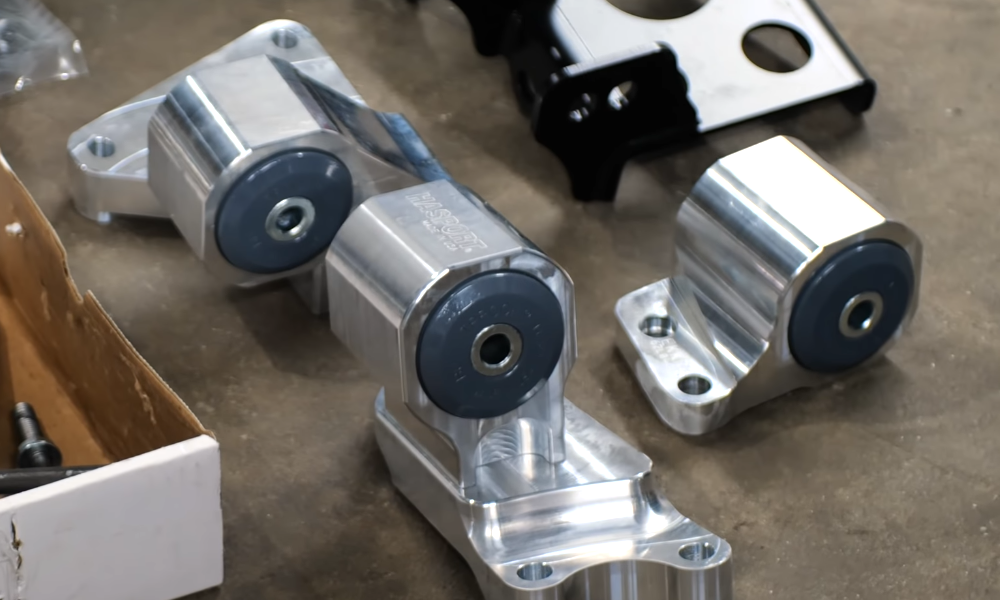
So while swapping a K-series into an EK might not be as complex as doing so into an S2000, they still have their work cut out for them. However, thanks to K-Tuned’s near bolt-on swap kit, this swap should go seamlessly. However, before the K24 goes into the engine bay, there are a couple of mods they need to make to the engine. This includes a Type-S oil pump and Moroso baffled oil pan for a bit more reliability and rev-range on track.
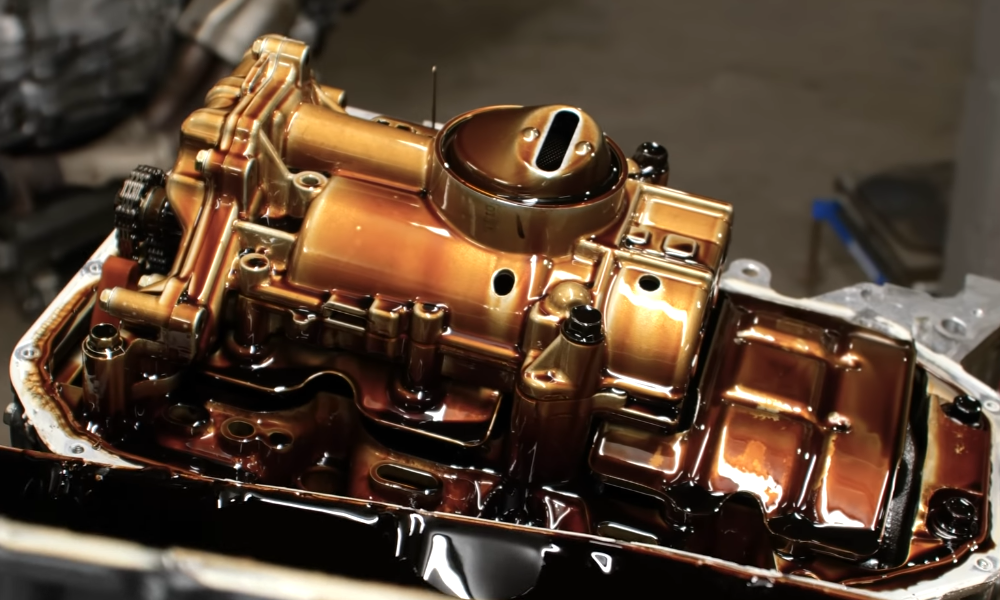
Don’t forget that they plan on making this into a K20/K24 hybrid, which implies they will be using a K20z3 head from an 8th gen Civic Si with their TSX bottom end. The head will also be getting some well-deserved upgrades. This includes a 50-degree cam gear and a set of Drag Cartel Endurance Race camshafts for a wider powerband. This will be joined by the RBC intake manifold and a host of K-Tuned parts. With the help of E85 for fueling, Smedegard believes the car should make around 230-240 WHP on their dyno. He reminds that, regardless of this, “there is zero standards for chassis dynos, what you see on one dyno you really can’t compare to the other dyno.”
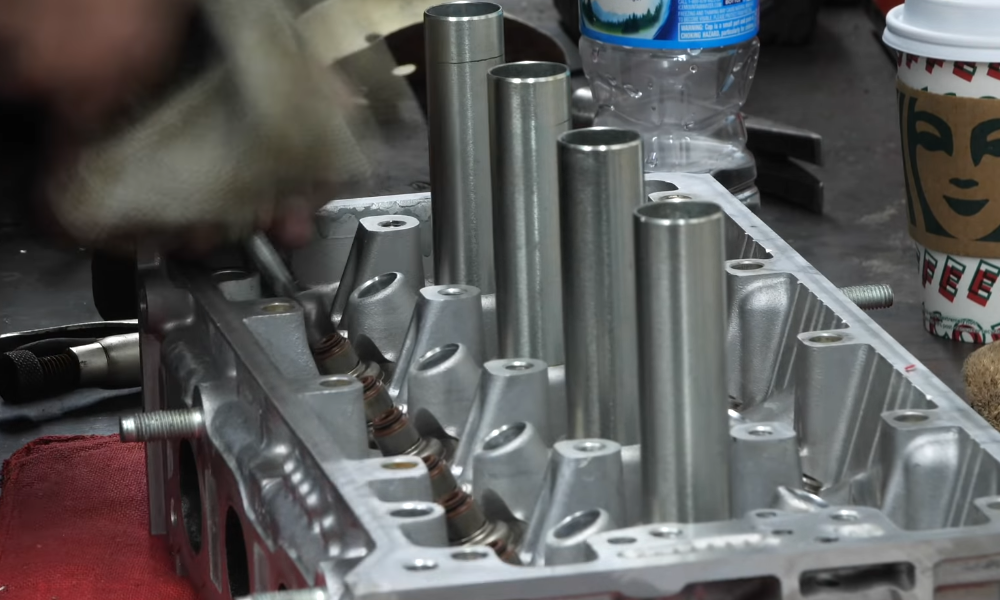
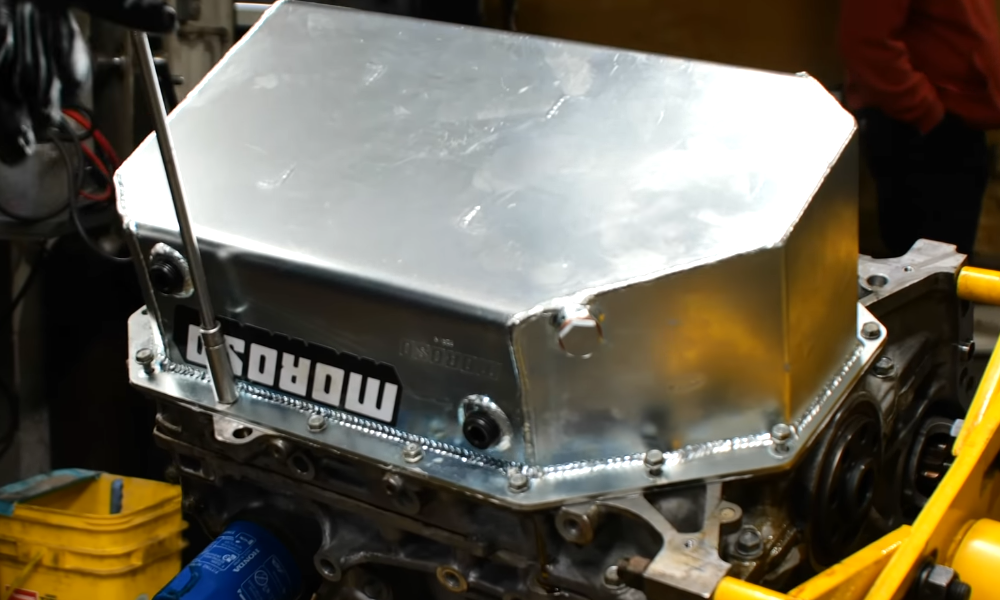
They begin by stripping the engine down, taking note to replace all of the JDM engine accessories with USDM parts (like the alternator) to prevent compatibility issues. After installing their bottom end modifications for oiling efficiency on track, they remove the old JDM head to be upgraded. They recommend cleaning the head well because machining can leave shavings in the ports. (You really don’t want small pieces of metal in your new engine.) They also clean the carbon build-up on the pistons before installing the new ARP head studs.
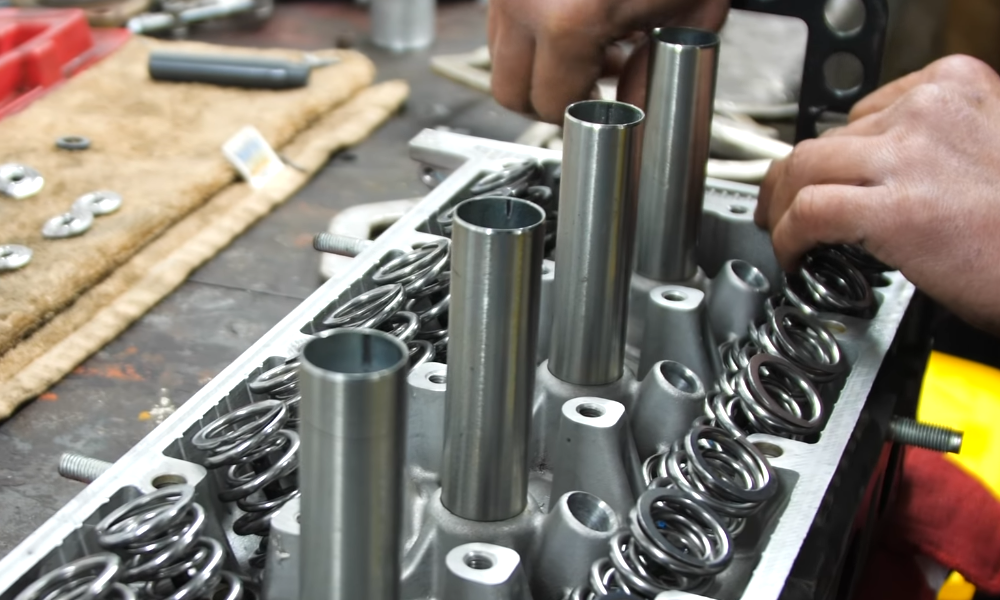
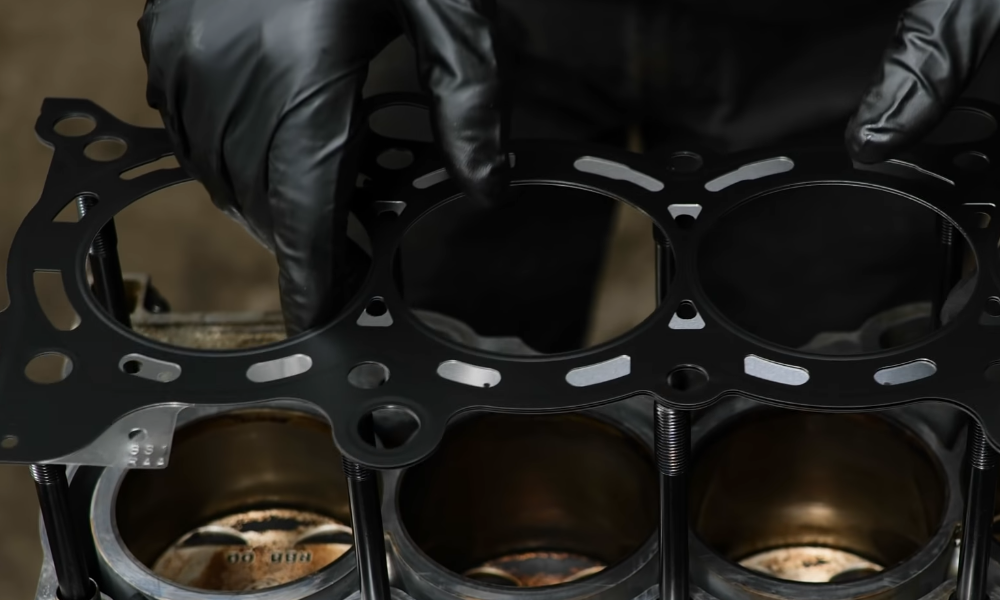
To further increase reliability on track, the team also upgrades the valve train, including the seals and springs. No point in building a K-series if you can’t rev out to 9,000 RPM! Smedegard also reminds us that building an engine for track use is not just about peak power. Rather, it’s about the “broader powerband. Everybody on the internet likes to see peak horsepower numbers, that’s not what it’s about. It’s about making that curve bigger, getting more area under the curve.”
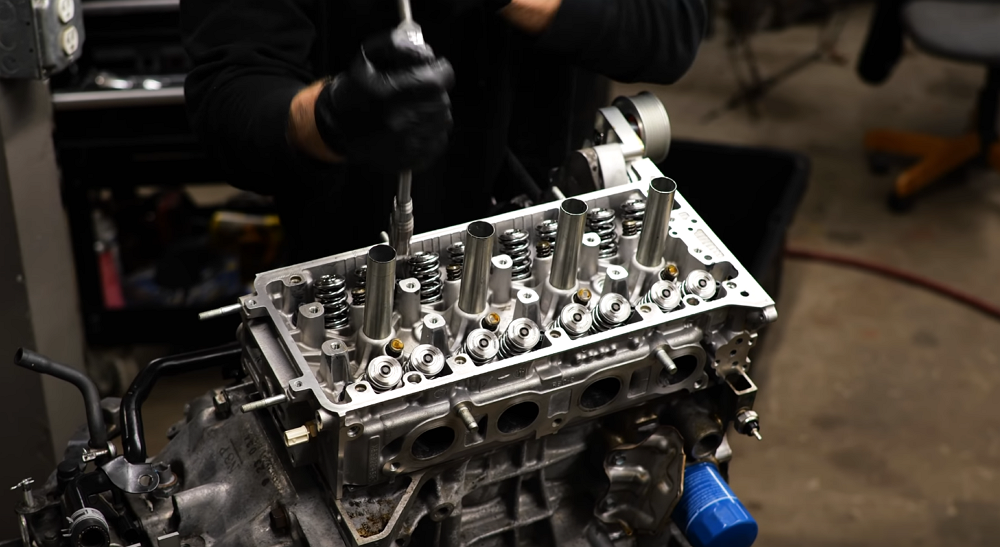
After installing the beautiful billet aluminum K-Tuned accessories, this K24 hybrid looks better than ever. What comes next? The external bolt-ons. Sadly for this, we will have to wait for the next episode. However, it should be coming out within a week. So don’t worry, we’ll see this Civic finished soon. If you want to keep up with this project, make sure to subscribe to the Gears and Gasoline YouTube channel. The quality of their content is definitely worth it!
Join the Honda-Tech forums now!

You must be logged in to post a comment.