


How long for rings to seat?


Thread Starter

Joined: Jul 2014
Posts: 937
Likes: 43
From: Austin, TX
 How long for rings to seat?
First engine build, 1994 C30A bored over to 90.5mm with Wiseco 4032 forged pistons with the standard gas nitrite ring pack, rings are gapped a bit on the wide side but nothing crazy, like 0.018 or so on the top ring and 0.020 for the 2nd ring. So far I'm about 350 miles in, with the engine warmed up compression test results are 205-212psi across the board, leakdown test shows 3-6% so nothing too concerning there. How long do these rings usually take to fully seat? I'm still burning a ridiculous amount of oil, my machinist says the rings haven't seated yet but seems like most rings seat within 10-20 miles if not less from what I've read, then some people say 500-1000 miles.
I ran 30 miles on Maxima break in oil (they were hard miles, after warming the car up with light driving I really hammered on it with lots of WOT pulls and heavy engine braking) I drained it and switched to conventional oil and did another 200 miles, also ran it hard. Drained it again, did another 100-150 miles so far still running it pretty hard and the car is still burning oil pretty badly, like a quart in 150-200 miles. The spark plugs all look great but the pistons themselves have a lot of burned oil residue on them, when I stick a borescope in right after shutting the motor down there's even a bit of oil pooling at the lowest point in each cylinder, which makes no sense as the car was idling right before with zero smoke? Perhaps exhaust valve guides/seals are leaking and when the engine shuts off it drips down into the cylinders? I might pull the exhaust pipes to see if they're full of oil.
I removed the PCV/CCV system and capped the breathers with those little filters to rule that out as the cause, no change in consumption.
The heads were rebuilt by a guy who does loads of Honda heads, he installed liners in the exhaust guides but the intake guides were still in spec, and new OEM valve stem seals were installed, I double checked that the black springs were on the exhaust side and the silver springs were on the intake side.
If I have a friend follow me, there's a tiny bit of smoke from the car while it's warming up but once hot the smoke goes away pretty much completely even during WOT pulls to redline. With the amount of oil I'm losing I'd expect to be blowing James Bond smokescreens everywhere.
At this point my plan is just to run the car for a few thousand miles and if it's still slurping oil I'll tear it down and see what I find. Any ideas what might be going on here? I don't think it would be oil "glaze" in the cylinders as that seems to mainly be an issue with motors that are allowed to excessively idle before being broken in.
I ran 30 miles on Maxima break in oil (they were hard miles, after warming the car up with light driving I really hammered on it with lots of WOT pulls and heavy engine braking) I drained it and switched to conventional oil and did another 200 miles, also ran it hard. Drained it again, did another 100-150 miles so far still running it pretty hard and the car is still burning oil pretty badly, like a quart in 150-200 miles. The spark plugs all look great but the pistons themselves have a lot of burned oil residue on them, when I stick a borescope in right after shutting the motor down there's even a bit of oil pooling at the lowest point in each cylinder, which makes no sense as the car was idling right before with zero smoke? Perhaps exhaust valve guides/seals are leaking and when the engine shuts off it drips down into the cylinders? I might pull the exhaust pipes to see if they're full of oil.
I removed the PCV/CCV system and capped the breathers with those little filters to rule that out as the cause, no change in consumption.
The heads were rebuilt by a guy who does loads of Honda heads, he installed liners in the exhaust guides but the intake guides were still in spec, and new OEM valve stem seals were installed, I double checked that the black springs were on the exhaust side and the silver springs were on the intake side.
If I have a friend follow me, there's a tiny bit of smoke from the car while it's warming up but once hot the smoke goes away pretty much completely even during WOT pulls to redline. With the amount of oil I'm losing I'd expect to be blowing James Bond smokescreens everywhere.
At this point my plan is just to run the car for a few thousand miles and if it's still slurping oil I'll tear it down and see what I find. Any ideas what might be going on here? I don't think it would be oil "glaze" in the cylinders as that seems to mainly be an issue with motors that are allowed to excessively idle before being broken in.


Premium Member


Joined: May 2007
Posts: 1,968
Likes: 188
From: Maryland.
Re: How long for rings to seat?
On a properly built engine I expect virtually zero oil consumption from the first start onward. An engine that was properly machined and assembled with the right tolerances should not have issues. The rings do take some time to seat but there is no magical mileage number. Usually it happens pretty quick.

Thread Starter
Joined: Jul 2014
Posts: 937
Likes: 43
From: Austin, TX
Re: How long for rings to seat?
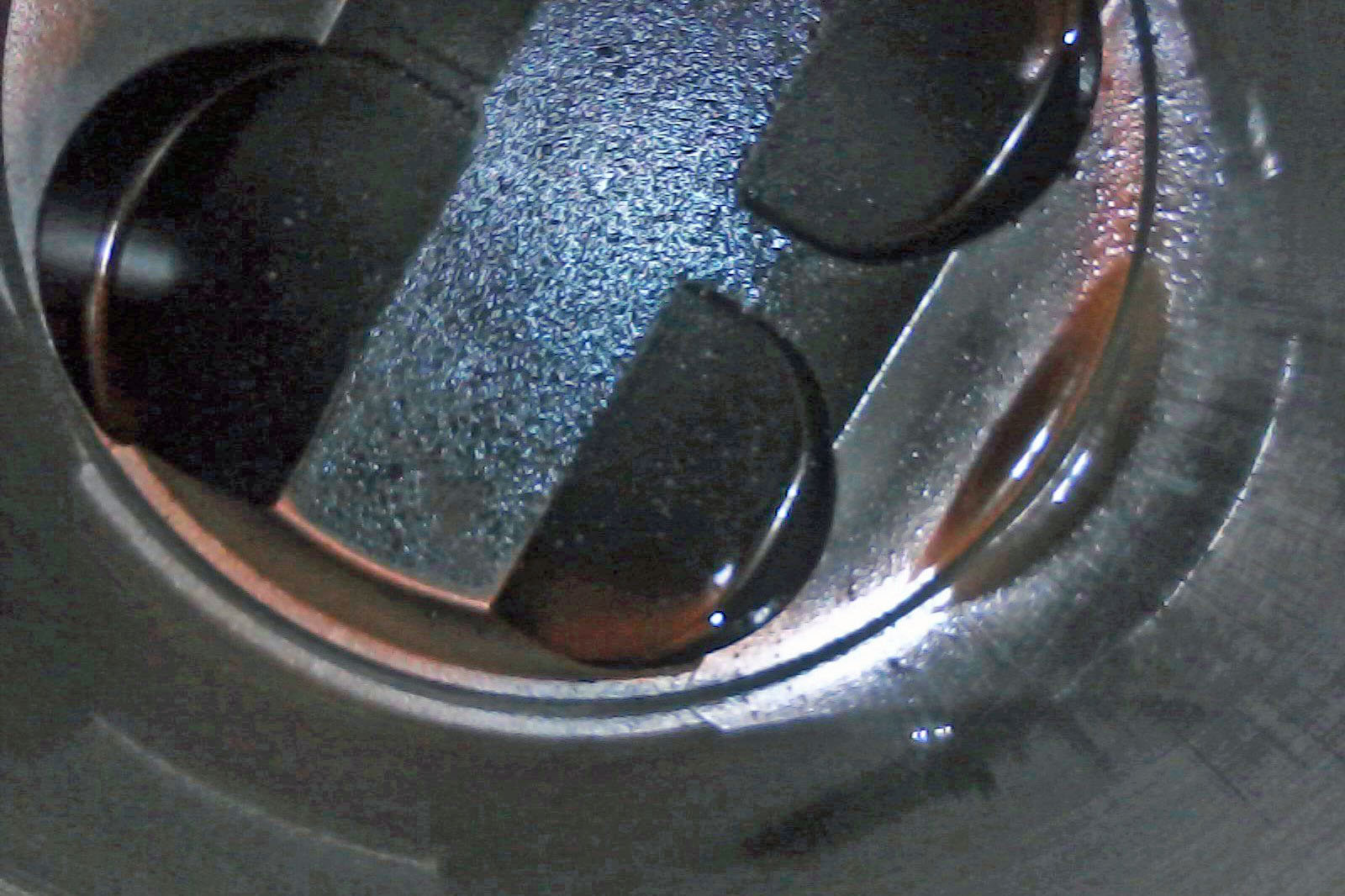
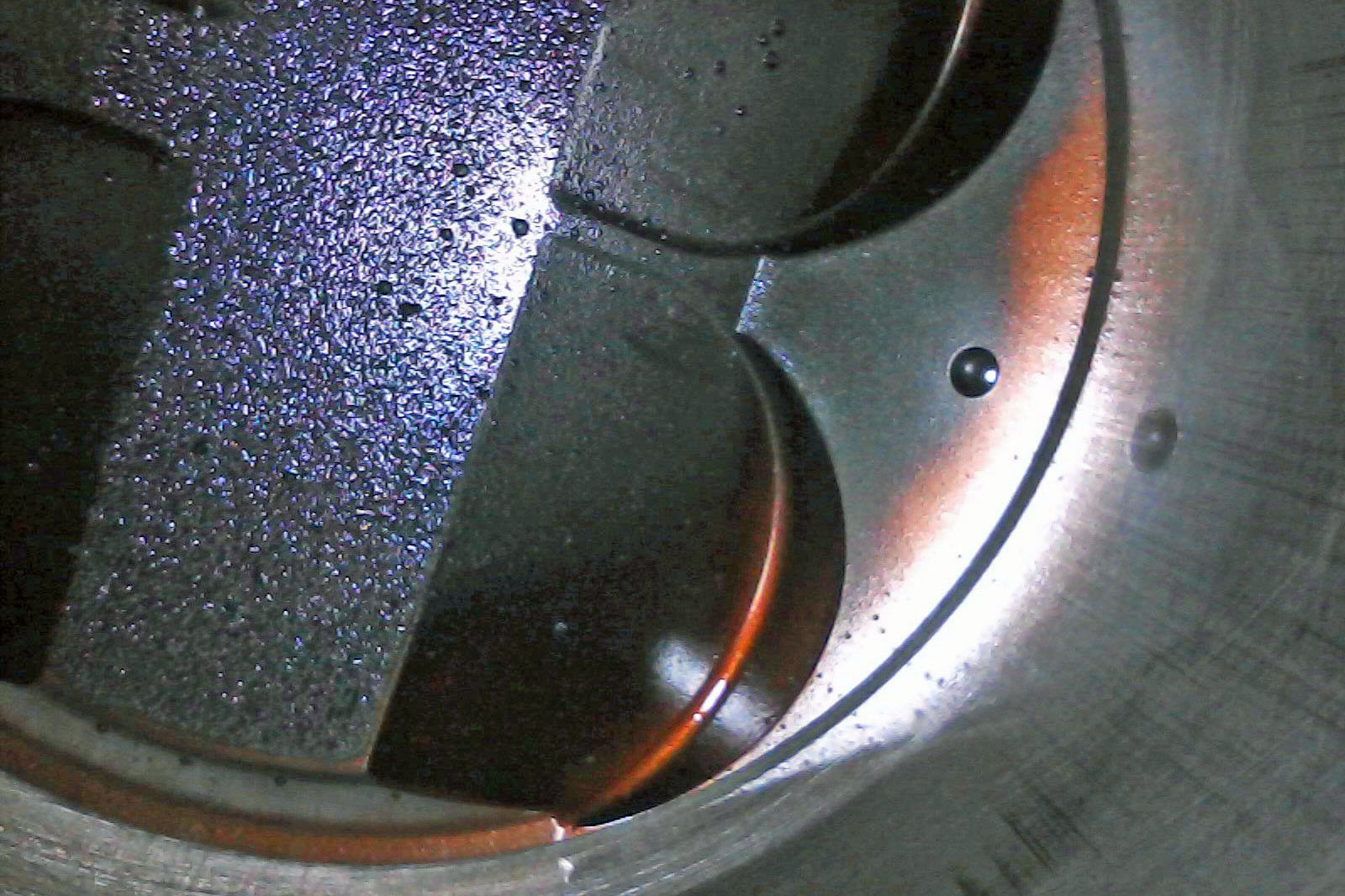
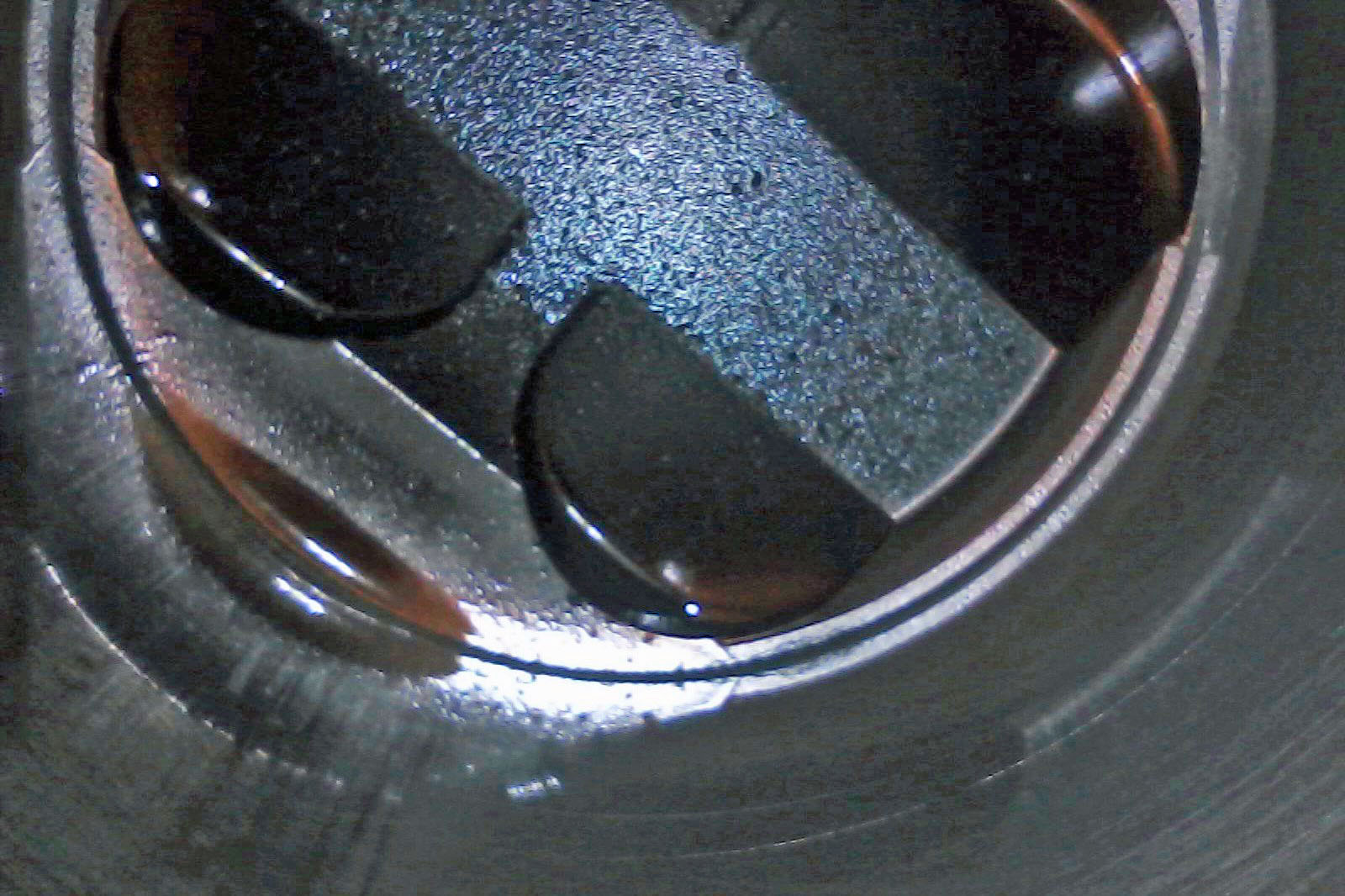
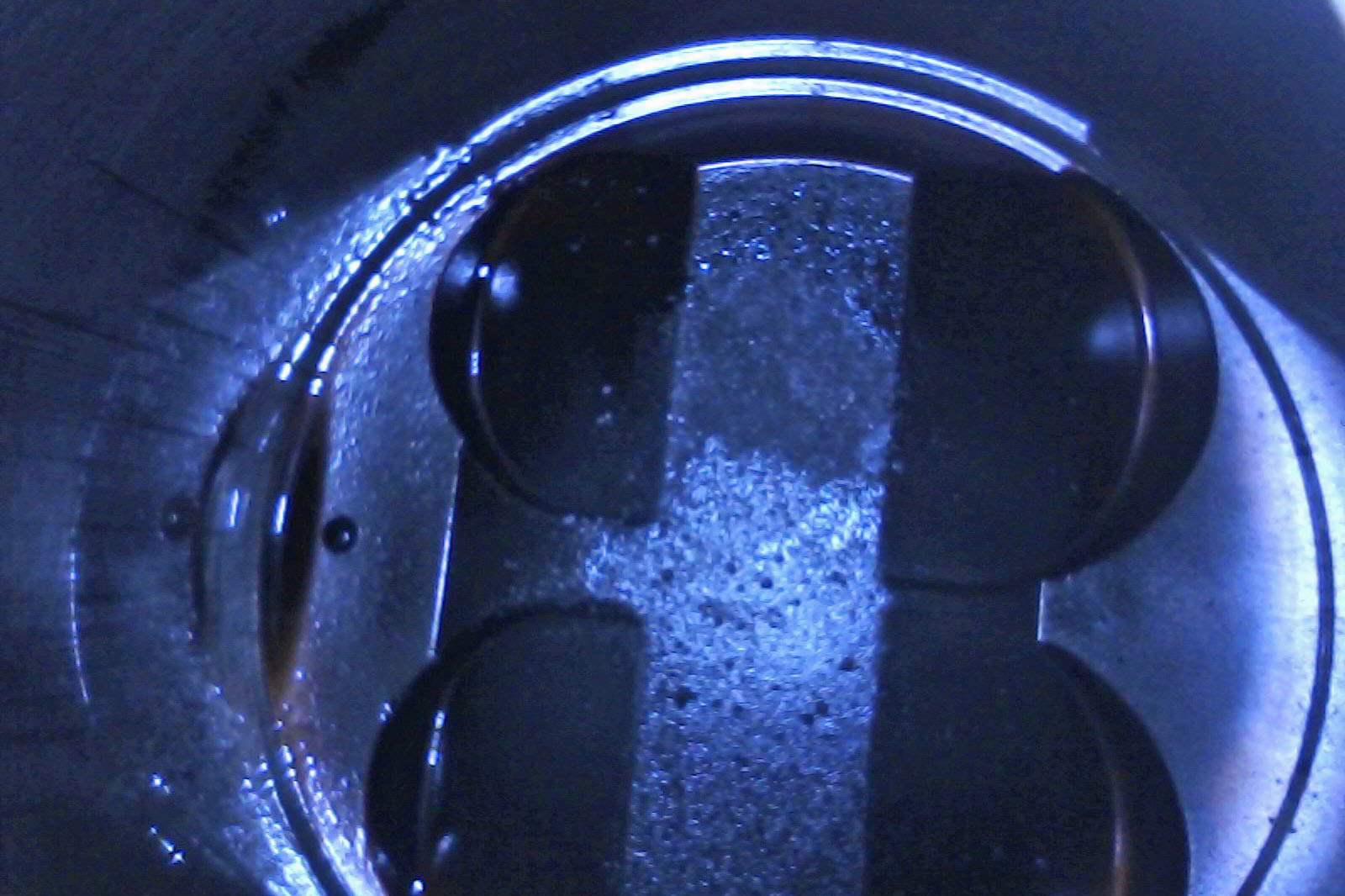
I went poking around with my borescope and looks like my machinist fucked me. The bores are all scored pretty badly on both minor and major thrust sides with all the crosshatching worn away in some places, I suspect he set the piston to wall clearances too tight but I won't know until I tear it down and measure. With any luck the block can just be honed out another thousandth or two to achieve the right clearance and the pistons replaced, but if not then Benson sleeves are in my future.
I didn't measure those clearances myself because I didn't have a 3-4" micrometer to set up my bore gauge so I stupidly trusted the machinist. I measured the difference between cylinders though and found them all within 0.0002" or so so I thought I was safe, because no way he screws up all 6 right? Hah. I'll probably kick myself for this for a long time, I don't understand how so many hack machinists manage to hold such good reputations.
A different guy did my heads and he has tons of experience with 90s Honda heads, and all the valve seals were replaced with new OEM seals, the intake guides were fine clearance-wise but the exhaust guides were redone. The car exhibits no other typical valve stem seal symptoms.
Cylinder carnage pics, because these threads aren't fun without them. Excuse the photo quality, the borescope cost me like $20 on Amazon. The weirdest thing about this is that the spark plug electrodes look perfect while the piston tops are a mess.
These three photos are from cylinder 4, but all showed similar damage.
These two are from cylinder 1.
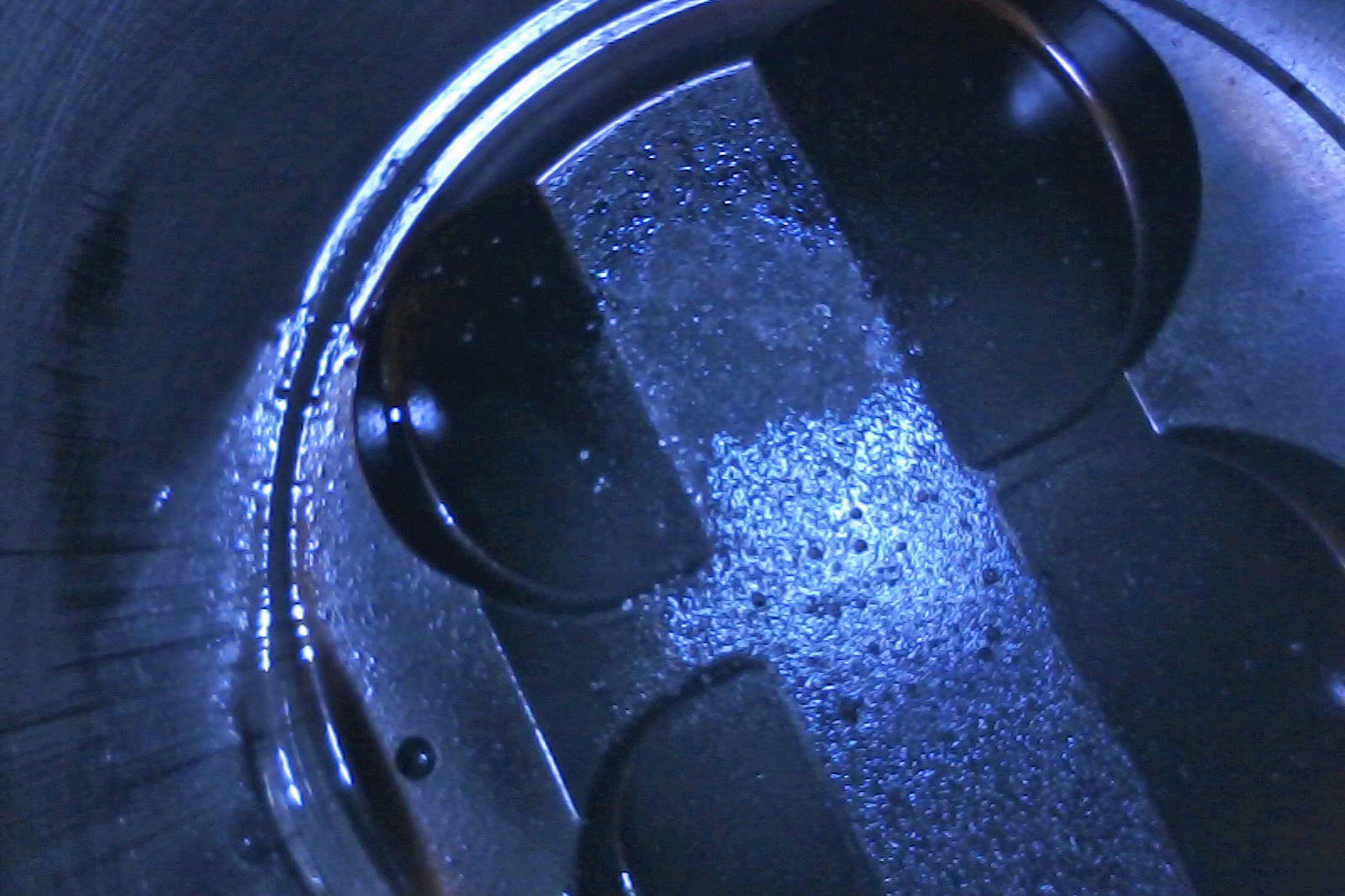
I didn't measure those clearances myself because I didn't have a 3-4" micrometer to set up my bore gauge so I stupidly trusted the machinist. I measured the difference between cylinders though and found them all within 0.0002" or so so I thought I was safe, because no way he screws up all 6 right? Hah. I'll probably kick myself for this for a long time, I don't understand how so many hack machinists manage to hold such good reputations.
A different guy did my heads and he has tons of experience with 90s Honda heads, and all the valve seals were replaced with new OEM seals, the intake guides were fine clearance-wise but the exhaust guides were redone. The car exhibits no other typical valve stem seal symptoms.
Cylinder carnage pics, because these threads aren't fun without them. Excuse the photo quality, the borescope cost me like $20 on Amazon. The weirdest thing about this is that the spark plug electrodes look perfect while the piston tops are a mess.
These three photos are from cylinder 4, but all showed similar damage.
These two are from cylinder 1.
Premium Member
Joined: May 2007
Posts: 1,968
Likes: 188
From: Maryland.
Re: How long for rings to seat?
Yep. Piston to wall too tight. Pistons might be salvageable if there are no deep scratches on the skirts. Can get them recoated and get a new ring pack. Personally I would be after that machine shop for the cost of the original work at least. A good one will stand by what they do.
Trending Topics
Re: How long for rings to seat?
because THIS im building my engines since 8 years myself. i say my machinist my numbers and the bore and hone to this numbers = perfect. then i use my micrometer or bore gauge to measure.

Trial User
Joined: Mar 2020
Posts: 2
Likes: 0
Re: How long for rings to seat?
2. Cast iron (standard) rings usually seat in 800-1200 miles, but it's not unusual to take 1500-2000 miles. 3. "Chrome moly" rings will take longer (I know "chrome moly" is a myth, but that's what most people call chromed rings) -- up to 2000-2500 miles.
Degreaser
Degreaser
Trial User
Joined: Mar 2020
Posts: 2
Likes: 0
Re: How long for rings to seat?
2. Cast iron (standard) rings usually seat in 800-1200 miles, but it's not unusual to take 1500-2000 miles. 3. "Chrome moly" rings will take longer (I know "chrome moly" is a myth, but that's what most people call chromed rings) -- up to 2000-2500 miles.
Degreaser
Degreaser

Thread
Thread Starter
Forum
Replies
Last Post
Egodestruct
Tech / Misc
8
Jun 11, 2004 01:55 PM