When you click on links to various merchants on this site and make a purchase, this can result in this site earning a commission. Affiliate programs and affiliations include, but are not limited to, the eBay Partner Network.
best way to simply check where the ignition timing is is by reading the plugs. Pull your plugs and post high resolution pictures on here.
some engines like more timing, some like less, that's the whole purpose of tuning. On a side note if you don't trust your tuner why did you have them tune your car?
My point is it really comes down to the motor. Compression ratio and octane are just one aspect, cam choice as well as header and exhaust choice will also have a huge impact on how much timing a motor will take, that being said the whole point of tuning is still to find mbt, minimum best timing, the least amount of timing that makes the most power. If it made peak power with those timing tables and if it lost power moving timing either way or stayed the same then it's where it should be.
I get customers from time to time who try to tell me how to tune their car, like turn the power all the way up bro, I'll tell you right now the power is made in the setup, you can only throw so much timing at something that will be the effective then after that it will start detonating. I've learned to just not hear the **** they are saying and tune the car as I would without them trying to tell me how to do my job.
I'm wondering how you managed to use h22 rods with a 95mm stroke crank without crushing the pistons into the head. Also wondering what the true compression ratio is with this setup.
I'm wondering how you managed to use h22 rods with a 95mm stroke crank without crushing the pistons into the head. Also wondering what the true compression ratio is with this setup.
Custom pistons with the pin moved up closer to the crown of the piston. This reduces the "install or compression height" of the piston to offset the increased throw of the H22 rod and 95mm stroke crankshaft combination.
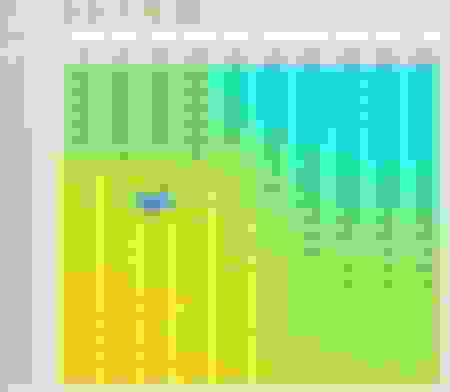
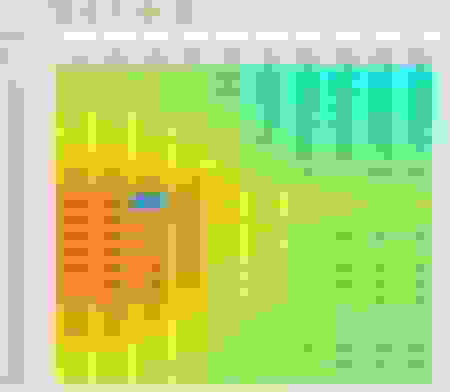
There is no knock or detonation. Power is good. But i think that ignition at wot is low..
When I had my car tuned, I felt the same way. I thought the timing was REALLY conservative compared to where I had street tuned it. And boy, was it ever. Some 5° difference between my map and the pro tuned map. Did it feel inferior to my tune? No. They felt pretty darn close but, I see that less is better (safer) in my case so I didn't fuss.
As long as it drives well and feels good; roll with it. Otherwise, if you can't trust your tuner, find someone else!
Tuning ignition timing will always be trying to find mbt, minimum best timing. The lowest amount of timing that makes the most power. This is the purpose of a dyno when tuning ignition timing. On the street I use knock detection (det cans) and run timing where it feels best as long as you can't hear any knock. If you hear any knock Pull about 2-3 degrees out of that spot in the map to be on the safe side. Tuning ignition timing with a det can takes allot of the guess work out of tuning ignition timing on the street. Another good way to tune on the street is reading the plugs. You'd be surprised some setups don't like ignition timing what so ever so one engine could run 18-24 degrees of ignition timing at 10lbs and another could only accept 12 degrees at that same boost level (cast iron manifolds on b vtec motors are really common for this)
From my expierience with dynos I can tell you they aren't necessarily gods gift to tuning. You can do back to back pulls with no changes and have power change just as much as a timing degree or two just by different air intake temps/ coolant temps so there's a few variables.



 H22 95mm stroke - ignition timing map feedback request