


polyethylene vacuum lines.....can they withstand high heat?


Thread Starter
Honda-Tech Member
Joined: Jun 2005
Posts: 1,110
Likes: 0
From: Elyria, OH, US
 polyethylene vacuum lines.....can they withstand high heat?
im looking to use polyethylene vacuum lines with pushlock fittings for most of the stuff in my engine bay and was wondering if these lines can take high temperatures or if I would be better off just using rubber lines.......anyone have any experience with these lines? 


Honda-Tech Member
Joined: Sep 2002
Posts: 5,517
Likes: 1
From: ME
Re: polyethylene vacuum lines.....can they withstand high heat? (.adam.)
<TABLE WIDTH="90%" CELLSPACING=0 CELLPADDING=0 ALIGN=CENTER><TR><TD>Quote, originally posted by .adam. »</TD></TR><TR><TD CLASS="quote">im looking to use polyethylene vacuum lines with pushlock fittings for most of the stuff in my engine bay and was wondering if these lines can take high temperatures or if I would be better off just using rubber lines.......anyone have any experience with these lines? </TD></TR></TABLE>
do you mean instant fittings? Pushlock is kind of huge for vac lines.
these are instant fittings.

You can get all different types of hose for them, some of which are rated for high temps. They make great vac/pressure lines. lots of people on here use them
</TD></TR></TABLE>do you mean instant fittings? Pushlock is kind of huge for vac lines.
these are instant fittings.
You can get all different types of hose for them, some of which are rated for high temps. They make great vac/pressure lines. lots of people on here use them
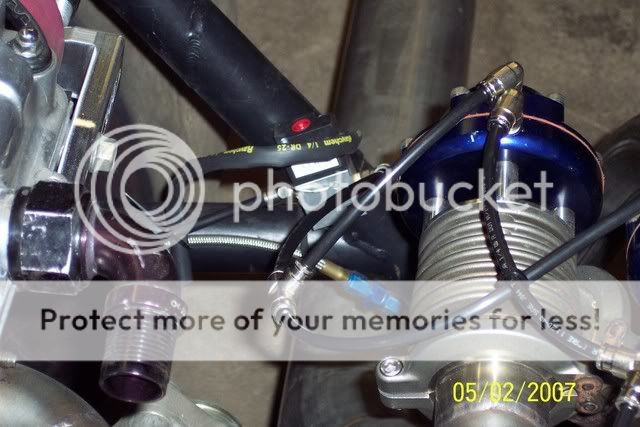
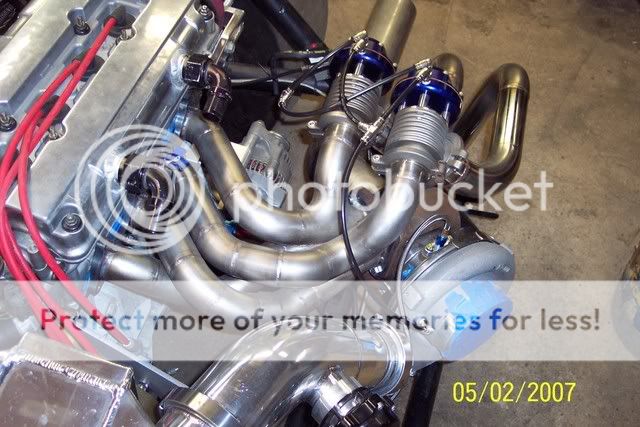
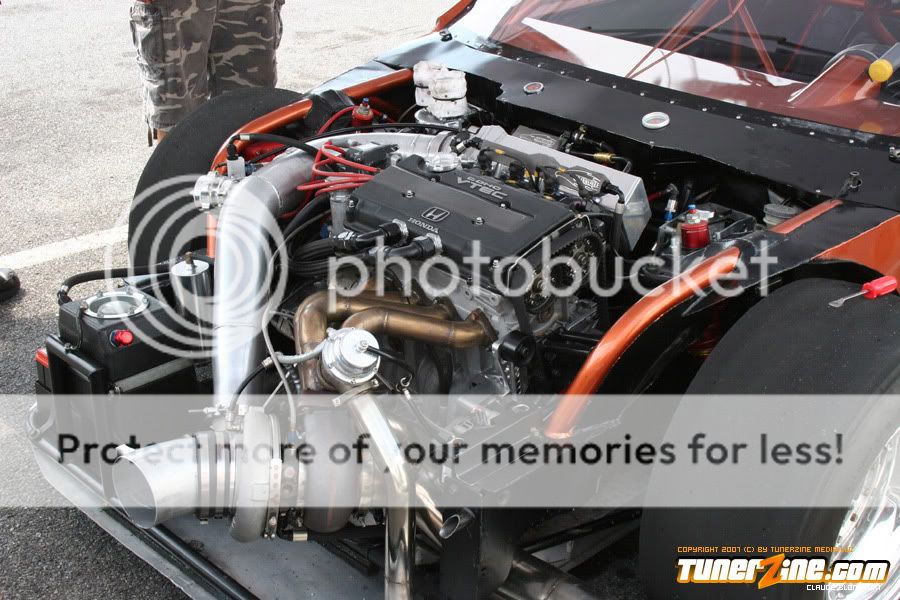

 Looks great Dave
 Trending Topics

Honda-Tech Member
Joined: Oct 2006
Posts: 219
Likes: 0
From: Kansas City, KS, USA
Re: (.adam.)
I run them throught my bay as well and have had great luck with them also they look much better.  We held a heat gun directly to it and it took nearly a minute before it started getting weak and closing the ends up.
We held a heat gun directly to it and it took nearly a minute before it started getting weak and closing the ends up.

Honda-Tech Member
Joined: Jan 2002
Posts: 638
Likes: 0
From: Minneapolis, MN, usa
Re: polyethylene vacuum lines.....can they withstand high heat? (Bailhatch)
<TABLE WIDTH="90%" CELLSPACING=0 CELLPADDING=0 ALIGN=CENTER><TR><TD>Quote, originally posted by Bailhatch »</TD></TR><TR><TD CLASS="quote">do you mean instant fittings?
</TD></TR></TABLE>
AH HA! I have been looking all over for these but never knew the proper name. Glad I saw this thread.
</TD></TR></TABLE>
AH HA! I have been looking all over for these but never knew the proper name. Glad I saw this thread.

Honda-Tech Member
Joined: Apr 2006
Posts: 171
Likes: 0
From: Chesterfield, VA, USA
Re: (DaveF)
<TABLE WIDTH="90%" CELLSPACING=0 CELLPADDING=0 ALIGN=CENTER><TR><TD>Quote, originally posted by DaveF »</TD></TR><TR><TD CLASS="quote">always worked for me !
</TD></TR></TABLE>
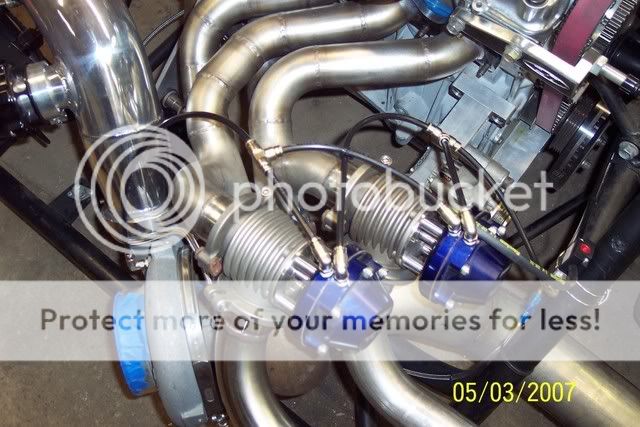
curious as to why you put the alternator on the front with a B series?? usually ony see that on H and F series.
</TD></TR></TABLE>
curious as to why you put the alternator on the front with a B series?? usually ony see that on H and F series.

Honda-Tech Member
Joined: Sep 2002
Posts: 5,517
Likes: 1
From: ME
Re: polyethylene vacuum lines.....can they withstand high heat? (G2turbo_terror)
<TABLE WIDTH="90%" CELLSPACING=0 CELLPADDING=0 ALIGN=CENTER><TR><TD>Quote, originally posted by G2turbo_terror »</TD></TR><TR><TD CLASS="quote">
AH HA! I have been looking all over for these but never knew the proper name. Glad I saw this thread. </TD></TR></TABLE>
That might be a brand name but I hear people in the industrial supply biz call them that.
BTW, mcmaster carr has a good selection of line to use with those fittings and they break it down by pressure rating, solvent resistance, temp etc...
AH HA! I have been looking all over for these but never knew the proper name. Glad I saw this thread.
</TD></TR></TABLE>That might be a brand name but I hear people in the industrial supply biz call them that.
BTW, mcmaster carr has a good selection of line to use with those fittings and they break it down by pressure rating, solvent resistance, temp etc...

Honda-Tech Member
Joined: Apr 2001
Posts: 16,905
Likes: 3
From: Lansdale, PA
Re: (JDM90CB7)
<TABLE WIDTH="90%" CELLSPACING=0 CELLPADDING=0 ALIGN=CENTER><TR><TD>Quote, originally posted by JDM90CB7 »</TD></TR><TR><TD CLASS="quote">
curious as to why you put the alternator on the front with a B series?? usually ony see that on H and F series. </TD></TR></TABLE>

curious as to why you put the alternator on the front with a B series?? usually ony see that on H and F series. </TD></TR></TABLE>


Honda-Tech Member
Joined: Jan 2005
Posts: 7,015
Likes: 7
From: b00sting my D16s, SoWis, USA
Re: (JDM90CB7)
Polyethylene will start to degrade/melt ~220F for cheaper stuff and a fair amount of pressure. Even while the cheap Homeboy Depot stuff is meant for a least 60psi, this is at room temp, not pre-intercooler air temps (near boiling). The other kind, PEX, can take far more pressure. Its the kind used in commercial plumbing, expecially where it could freeze - some will expand up to 400% before it bursts. There are 3 grades, a/b/c, but I kind of forgot the properties of each. For this application, it doesn't matter much, except you'll probably want the stuff that unrolls straight. Some Pex has shape memory, and you may not want their lines to always curving by themselves.
Another tube to look at is nylon. It is fairly similar besides the fact it absorbs water more. I've got a bunch of it in black from Mcmaster, which looks good in the engine bay. You can shape it by passing a torch over it, since its fairly rigid.
Another tube to look at is nylon. It is fairly similar besides the fact it absorbs water more. I've got a bunch of it in black from Mcmaster, which looks good in the engine bay. You can shape it by passing a torch over it, since its fairly rigid.

Thread
Thread Starter
Forum
Replies
Last Post
