


GSR Vtec and BUTTERFLY?!


Thread Starter
Senior Member
Joined: Mar 2006
Posts: 468
Likes: 0
From: Garden Grove, ca, United State
 GSR Vtec and BUTTERFLY?!
Okay, I got the concept of Vtec 100%. What I want to know is. What are butterfly in GSR? I hear that alot. People talk about Vtec engage'n at 4.4 for GSR and butterfly opens up at 5.5. Can someone enlighten me? I want to know from BOTTOM to TOP how GSR motor goes from Vtec to butterfly and what is the horse gain out of it. Thank YOU!

B*a*n*n*e*d
Joined: Mar 2003
Posts: 9,783
Likes: 47
From: Greenville, South Carolina
Re: GSR Vtec and BUTTERFLY?! (JDM B16A)
long runners are good for the low rpms
short runners are good for the high rpms.
the butterfly valve moves and closes the long route and creates a shortcut. That's all.
Think of it like a train swapping tracks with one of those device thingys
short runners are good for the high rpms.
the butterfly valve moves and closes the long route and creates a shortcut. That's all.
Think of it like a train swapping tracks with one of those device thingys
B*a*n*n*e*d
Joined: Mar 2003
Posts: 9,783
Likes: 47
From: Greenville, South Carolina
Re: GSR Vtec and BUTTERFLY?! (Bense)
like this! (railroad switch is what they're called)
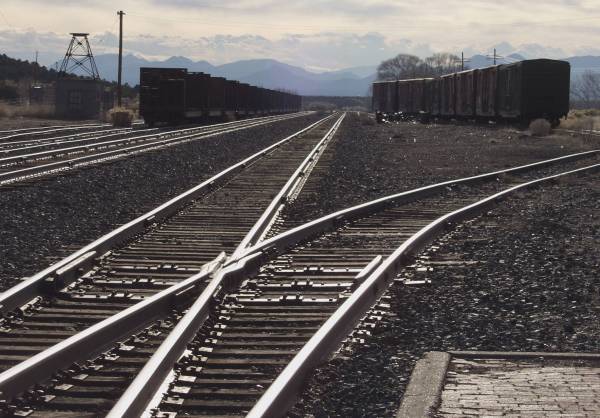
hondas all about that dual function ****,if they ever made pants, they would put zippers just above the knees to make them into shorts
hondas all about that dual function ****,if they ever made pants, they would put zippers just above the knees to make them into shorts


Honda-Tech Member
Joined: Jan 2006
Posts: 10,443
Likes: 2
From: Rochester, New York -> Santa Clara, CA
Sadly I can't explain it better but do u'd think u could offer hima better description of what the 2ndary butterfly is if he just now is understanding vtec...
 Re: GSR Vtec and BUTTERFLY?! (JDM B16A)
The GSR engine has a snail looking intake manifold. Within the manifold are valves, which we call butterflies or secondaries (aka butterfly valve). When the engine is running below the rpm for the engagement of secondaries, air travels a longer, top route of the manifold. This is allow more mid-range torque. However, at higher rpms, a solenoid cuts the vacuum to the manifold and the secondaries or butterfly valves open to allow air to take a shorter direct route to the head. This shorter direct route would be the bottom route. The shorter route allows air to come quicker inside the combustion chamber and allows the engine to "breathe".


Trending Topics

Junior Member
Joined: Jan 2006
Posts: 968
Likes: 0
From: 714, CA, USA
oh dear.. its 4400RPM for VTEC (which you don't feel in a GSR at all) then 5750RPM for IAB's (which u hear screaming) it's all good fun - doesn't matter what you're going to put in that EM1 of yours D, haha

Thread Starter
Senior Member
Joined: Mar 2006
Posts: 468
Likes: 0
From: Garden Grove, ca, United State
Re: (DelSolMarine)
<TABLE WIDTH="90%" CELLSPACING=0 CELLPADDING=0 ALIGN=CENTER><TR><TD>Quote, originally posted by Syndacate »</TD></TR><TR><TD CLASS="quote">Sadly I can't explain it better but do u'd think u could offer hima better description of what the 2ndary butterfly is if he just now is understanding vtec...</TD></TR></TABLE>
Correction! I completely understand the concept of a B16 Vtec without a DOUBT! Just not familiar with GSR's butterfly.
<TABLE WIDTH="90%" CELLSPACING=0 CELLPADDING=0 ALIGN=CENTER><TR><TD>Quote, originally posted by BlueIntegraBoy »</TD></TR><TR><TD CLASS="quote">The GSR engine has a snail looking intake manifold. Within the manifold are valves, which we call butterflies or secondaries (aka butterfly valve). When the engine is running below the rpm for the engagement of secondaries, air travels a longer, top route of the manifold. This is allow more mid-range torque. However, at higher rpms, a solenoid cuts the vacuum to the manifold and the secondaries or butterfly valves open to allow air to take a shorter direct route to the head. This shorter direct route would be the bottom route. The shorter route allows air to come quicker inside the combustion chamber and allows the engine to "breathe".
</TD></TR></TABLE>
Great explanation!!! Thank you for putting out thee time to explain that to me!
Correction! I completely understand the concept of a B16 Vtec without a DOUBT! Just not familiar with GSR's butterfly.
<TABLE WIDTH="90%" CELLSPACING=0 CELLPADDING=0 ALIGN=CENTER><TR><TD>Quote, originally posted by BlueIntegraBoy »</TD></TR><TR><TD CLASS="quote">The GSR engine has a snail looking intake manifold. Within the manifold are valves, which we call butterflies or secondaries (aka butterfly valve). When the engine is running below the rpm for the engagement of secondaries, air travels a longer, top route of the manifold. This is allow more mid-range torque. However, at higher rpms, a solenoid cuts the vacuum to the manifold and the secondaries or butterfly valves open to allow air to take a shorter direct route to the head. This shorter direct route would be the bottom route. The shorter route allows air to come quicker inside the combustion chamber and allows the engine to "breathe".
</TD></TR></TABLE>Great explanation!!! Thank you for putting out thee time to explain that to me!


Honda-Tech Member
Joined: May 2004
Posts: 965
Likes: 0
From: terrytown, la
so in the runners of the GSR intake mani its split in half(horizontally) all the way to the head? where are the secondaries located, where the runners actually begin from the throttle body portion of the manifold?


Honda-Tech Member
Joined: Mar 2002
Posts: 969
Likes: 0
From: Va. Beach, VA
Re: (k20rex)
BlueIntegraBoy
<TABLE WIDTH="90%" CELLSPACING=0 CELLPADDING=0 ALIGN=CENTER><TR><TD>Quote, originally posted by k20rex »</TD></TR><TR><TD CLASS="quote">how many plugs and what color wirers</TD></TR></TABLE>
One plug, wire colors vary pending on year, trigger signal varies from obd1 to obd2 (obd1-ecu gives or releases ground to solenoid, obd2-ecu gives or releases power to solenoid)
<TABLE WIDTH="90%" CELLSPACING=0 CELLPADDING=0 ALIGN=CENTER><TR><TD>Quote, originally posted by bsixteen »</TD></TR><TR><TD CLASS="quote">so in the runners of the GSR intake mani its split in half(horizontally) all the way to the head? where are the secondaries located, where the runners actually begin from the throttle body portion of the manifold?</TD></TR></TABLE>
if you look at the third pic that BlueIntegraBoy posted you'll see a vacuum valve (round, 90degree barb on top, shaft coming out bottom). The shaft coming out of the vacuum valve is connected to the "secondaries". If you remove the outer "plenum" section of the IM you'll see what looks like four small throttle bodies. I've got one layin around, I'll see if I can take it apart and take pics...
<TABLE WIDTH="90%" CELLSPACING=0 CELLPADDING=0 ALIGN=CENTER><TR><TD>Quote, originally posted by k20rex »</TD></TR><TR><TD CLASS="quote">how many plugs and what color wirers</TD></TR></TABLE>
One plug, wire colors vary pending on year, trigger signal varies from obd1 to obd2 (obd1-ecu gives or releases ground to solenoid, obd2-ecu gives or releases power to solenoid)
<TABLE WIDTH="90%" CELLSPACING=0 CELLPADDING=0 ALIGN=CENTER><TR><TD>Quote, originally posted by bsixteen »</TD></TR><TR><TD CLASS="quote">so in the runners of the GSR intake mani its split in half(horizontally) all the way to the head? where are the secondaries located, where the runners actually begin from the throttle body portion of the manifold?</TD></TR></TABLE>
if you look at the third pic that BlueIntegraBoy posted you'll see a vacuum valve (round, 90degree barb on top, shaft coming out bottom). The shaft coming out of the vacuum valve is connected to the "secondaries". If you remove the outer "plenum" section of the IM you'll see what looks like four small throttle bodies. I've got one layin around, I'll see if I can take it apart and take pics...
Honda-Tech Member
Joined: Mar 2002
Posts: 969
Likes: 0
From: Va. Beach, VA
Re: (ATrin)
<TABLE WIDTH="90%" CELLSPACING=0 CELLPADDING=0 ALIGN=CENTER><TR><TD>Quote, originally posted by ATrin »</TD></TR><TR><TD CLASS="quote">Wow i just noticed on my motor that i don't have that drum looking vaccum valve connected. where does the top and bottom connect to?</TD></TR></TABLE>
The top goes to the vacuum canister under the manifold, there should be a check valve on the way to the canister. The bottom lever connects to the secondaries.
The top goes to the vacuum canister under the manifold, there should be a check valve on the way to the canister. The bottom lever connects to the secondaries.

Honda-Tech Member
Joined: May 2004
Posts: 227
Likes: 0
From: Dallas, TX, usa
Re: (miahmouse)
<TABLE WIDTH="90%" CELLSPACING=0 CELLPADDING=0 ALIGN=CENTER><TR><TD>Quote, originally posted by miahmouse »</TD></TR><TR><TD CLASS="quote">
The top goes to the vacuum canister under the manifold, there should be a check valve on the way to the canister. The bottom lever connects to the secondaries.</TD></TR></TABLE>
cool thanks!

Thread
Thread Starter
Forum
Replies
Last Post
