
How To Build An Effective Catch Can System

Honda-Tech user shows a simple and effective way to build an affordable oil catch-can system for forced induction applications.
An oil catch-can becomes more and more necessary as you add power. While most street applications don’t really require them, high-performance cars can find them quite essential. Circulating all the oil in your blow-by gasses back into your intake can drastically hinder your valves and throttle body. Sending it into your cylinders isn’t ideal, either. It’s an all-around disaster. Luckily, a catch-can is a fairly simple solution.
Honda-Tech user Theshodan recently posted a thread outlining his catch-can assembly.
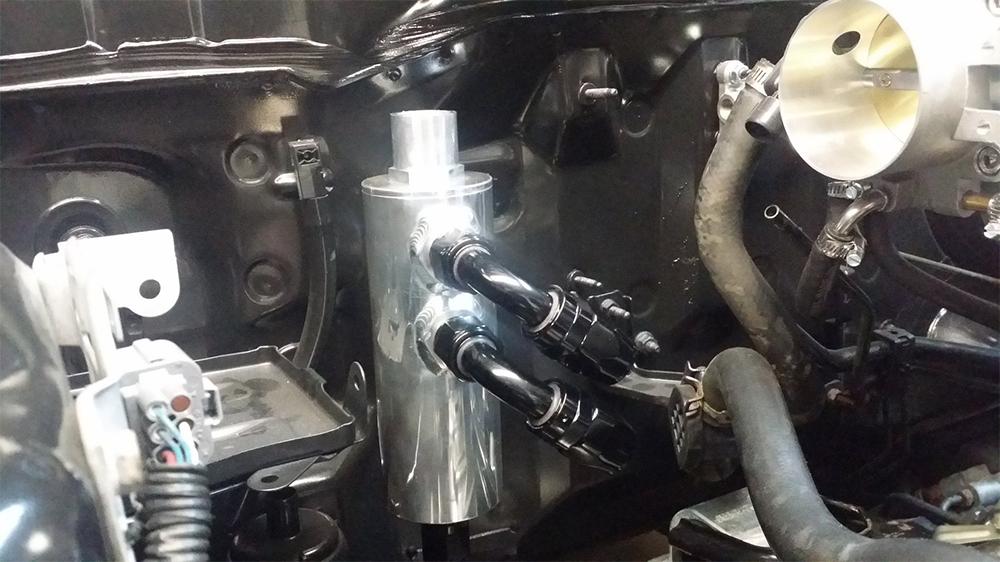
“The formula for creating a fantastic catch can is rather simple. The standard cylindrical-shaped catch can works perfectly fine, especially when using a top-mounted K&N styled filter. Direct-Injected engines typically would use an oil-separator type of catch can, due to the design of the DI engine’s ability to not use fuel to help “lubricate” the valve system. I’ve found that a drain-back system is best to use, as even with some condensation that may develop during cold start, it does not affect crankcase pressure enough to cause oil dilution or contamination of any kind,” he writes
What is excellent about his design is that it replaces the factory oil separator or “black box,” as many know it. Instead, a -10AN fitting goes in its place, allowing the oil to drain from the catch can directly into the block via a freeze plug to -10AN adapter. Pretty slick effort!

The basis of Theshodan’s system is a B&R Drainback Catch Can kit, which is a great place to start as many of the fittings he lists are included in the kit. Though, you will need to supply your own hoses and a couple of -10AN freeze plug fittings. A Ford, Volvo, or GM one-way check valve from a stock turbo engine is also necessary.
All in all, you’re looking at just shy of $400 for a complete catch can assembly. Considering his mention of running over 30 PSI of boost, and recommending a catch can of this caliber for over 1,00 horsepower, it’s safe to assume he has plenty invested in this engine. When you’re elbows deep in a performance engine build, $400 to extend its life seems pretty worth it.
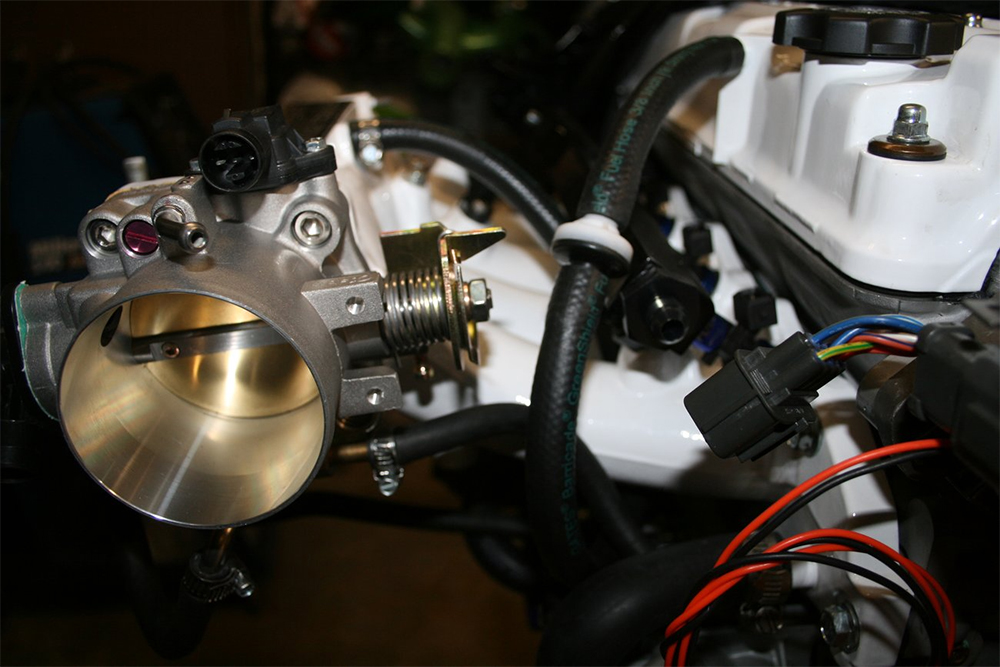
One of the flagship portions of the design, though, is the line that runs to the valve cover. Often, people running these types of setups will have -10AN fittings welded onto their valve cover. Some even use vented oil caps. However, Theshodan’s setup uses the stock PCV port. He runs a section of hose with the aforementioned check valve inline from the stock PCV location to the catch can. This makes for a quick and easy install with no drastic modification or fabrication work required.

From there, it’s a simple matter of running the drain line back from the bottom of the catch can to the -10AN fitting in the block. Finally, you run the second upper hose from the catch can to the intake manifold. Then you’re ready to rock!
Overall, this is a straightforward and cost-effective catch can system that will work wonders. If you have any insight or any questions, be sure to check out the thread on the forums!
Photos: Honda-Tech Forum
Join the Honda-Tech forums now!

You must be logged in to post a comment.