When you click on links to various merchants on this site and make a purchase, this can result in this site earning a commission. Affiliate programs and affiliations include, but are not limited to, the eBay Partner Network.
Just installed a turbo on my b18b1 swapped 96' honda hatchback, the turbo is a straight T3 Garrett from a mustang SVO. This is my first attempt at boosting and I've done lots of research but still learning.
Anyway, I got everything bolted on and started up the car, within about 1 minute of idling there was a good amount of white smoke from the tailpipe. The turbo has no significant shaft play, but I'm still worried a seal could be blown.
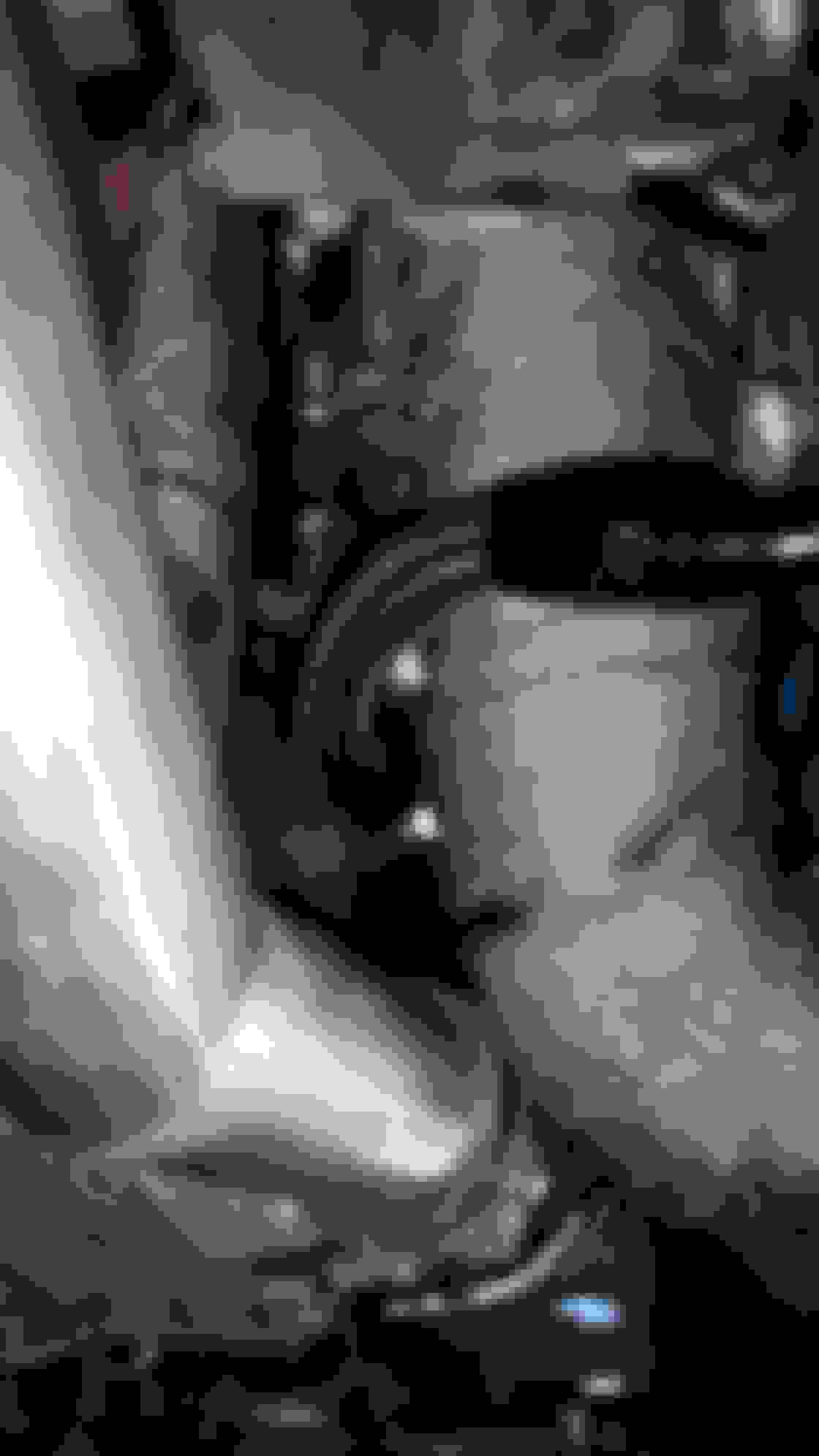
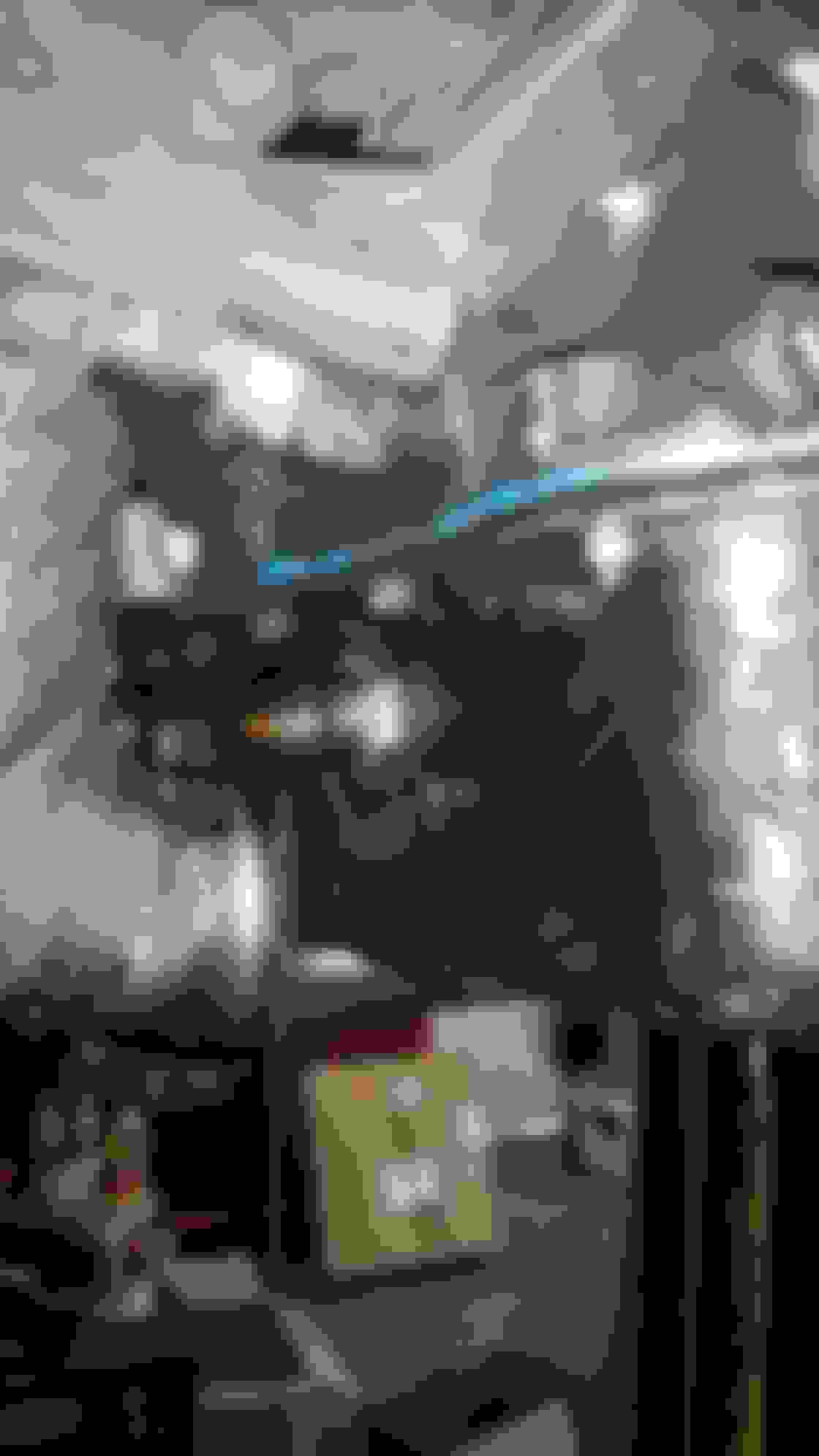
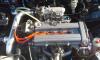
My oil drain line is a little weird. I did my best to move the stainless line in a position where it wouldn't touch the DP or hot side IC pipe, but the routing is questionable. Any input is appreciated, pics below
Also, no restrictor is installed considering it is a journal turbo. Cold startup is about ~80 psi and warm idle is around ~12psi
Any help is more than appreciated, thank you
EDIT: Oil drain is -10AN and Oil Feed is -3AN w/ no restrictor
These pics were taken before the turbo was installed, the oil buildup didn't seem too excessive.
Last edited by FeelTheBass; Jun 8, 2016 at 12:08 AM.
But yes, I'd definitely change that oil return line up as well. Question: Does the smoke still remain after the car is warmed up and at operating temperature?
Yes. the description on the link sent gives that size aperture, which is precisely what I'm recommending. .060"-.065" seems to be the magic size for that turbocharger, but you'll need to try it first to see.
While I wait for a restrictor to come in the mail, I did some more work today.
The oil feed was leaking, so I wrapped it with loads of teflon tape and now its tight and not leaking. I shortened the oil drain line by an inch, and the direction of oil seems like an improvement (check pics below).
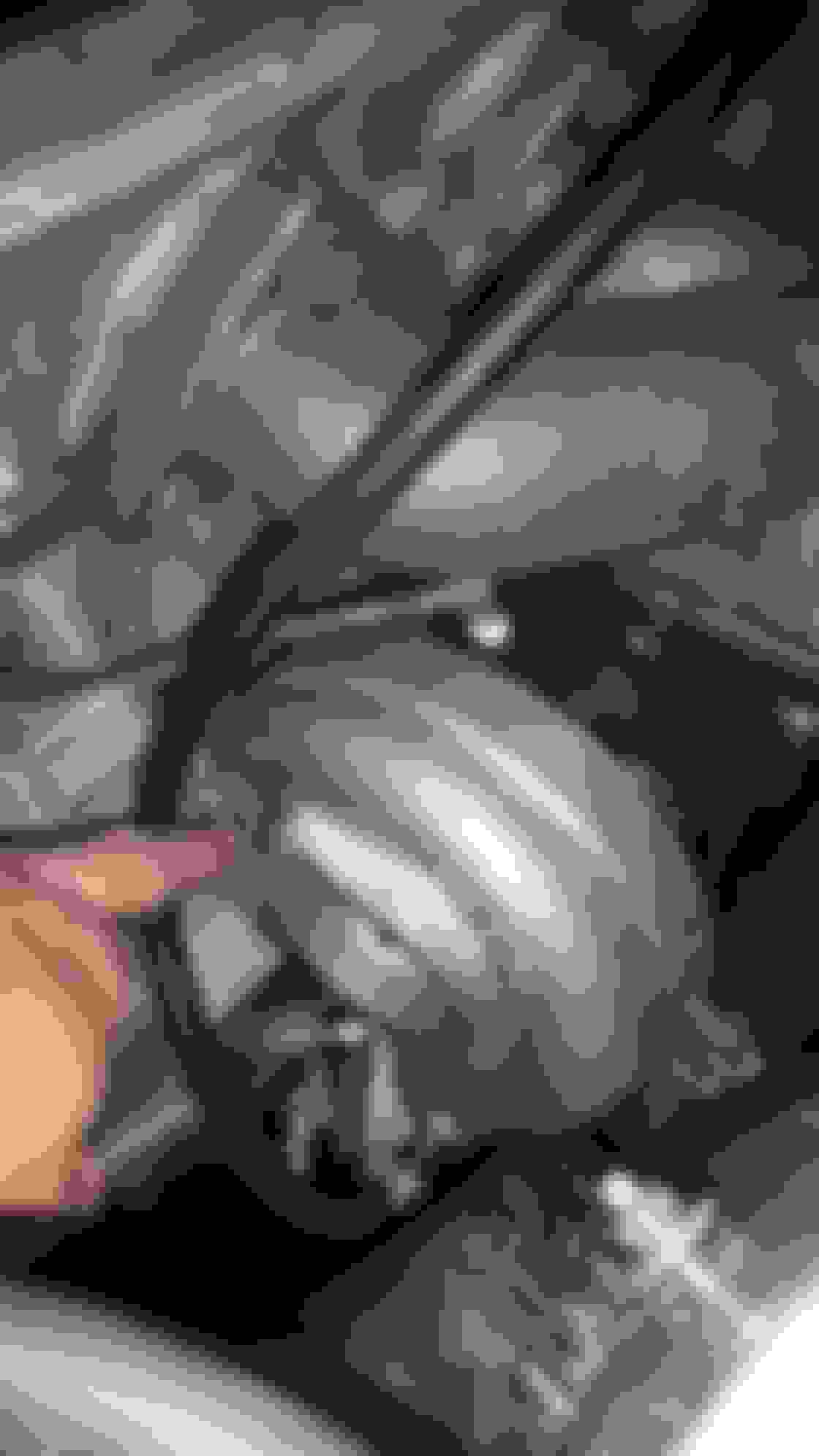
I had to lock my CHRA a bit to make sure all the fittings wouldn't get in the way, but now I'm starting to think it's clocked slightly too much. Please check the pic below of the oil feed inlet on the turbo which shows how the CHRA is oriented.
Does this oil drain fitting look too low on the pan?
Here's the pic of the CHRA. I know the optimal position is having the oil feed and drain straight up and down, but I had to make everything fit. Is this hindering my oil flow?
I noticed I was leaking oil from a loose bolt in the turbine housing, BUT shouldn't the oil be within the CHRA? Am I leaking oil here because the oil is escaping the oil seal within the turbo?
Any opinions on this oil drain line? I feel like its a big improvement from the last position.
There's a lot of questions here, I'm just trying to diagnose this issue from every possibility. Thanks for any help.
Oil feed Iine is still within limits on terms of clocking. Best to come from other side anyway.
That oil return bung is what's getting to me. Angle is still upward.
I'll try coming from the other side for the feed line, and my restrictor should be here today.
Also, when you say the angle is upward, you're referring to the 45degree fitting on the bung? I can try to turn the fitting on it's side to create a bit more of an angle. What if I put a straight -10an fitting on there instead of the 45?
Water lines will be configured shortly, I'm trying to get this thing running first.
I've heard 45's are ok at the pan, but 90's aren't. Would a straight fitting be better?
depends on the situation you always want the most direct sloping drain as possible.
My drain uses a 45 off the turbo and also on the pan however, unlike yours the hose between the two is only about 1.5 inches and has no bends or curves in it its a straight shot.
I think the resticror is the main issue just try to do your best on the drain and see if you get smoke, I like the angle of the fitting on the last pic alot better then the first picture looks like a pretty decent drain
I'd also change that boost reference point. The rubber hose will eventually melt at that manifold.
Going straight to the pan with no bend would be a better idea. The leak from the turbine housing, well.. may seem to have some detrimental effects, but if you tighten it down, it will stop. Oil splay still surrounds the turbine shaft. loose bolts cause them to leak.. and worse.
I'd also change that boost reference point. The rubber hose will eventually melt at that manifold.
Going straight to the pan with no bend would be a better idea. The leak from the turbine housing, well.. may seem to have some detrimental effects, but if you tighten it down, it will stop. Oil splay still surrounds the turbine shaft. loose bolts cause them to leak.. and worse.
Just put my order in at B&R fittings. Going to run a straight fitting on the pan and see if there's any improvement. Also going to run that .065" oil restrictor.
If all fails, then I might take the time to remove the turbo and clock it to straight up and down and figure a way to make it work.
Hopefully my seals aren't blown...
Next update will be when the mail arrives, thanks for the help thus far.
I would clock the turbo as vertical as possible, aim the 45 coming off the turbo towards the front of car so you can get it around the DP and straight into pan.
I would clock the turbo as vertical as possible, aim the 45 coming off the turbo towards the front of car so you can get it around the DP and straight into pan.
Correct. I'd move the oil feed line so that it is coming from the Cam gear side if you're using the oil sending unit.
Your "seals" aren't blown unless you've removed the downpipe and seen very fresh wet oil out of the turbine housing itself. That is one indicator.
You also need to run the proper water lines, although from what I can see from the turbine shaft from the previous photos, the damage is already done (if there is indeed any).
If all of these precautions are done, and you're still seeing problems, it's not worth rebuilding. You're actually better off getting another unit entirely.
Why would the angle of the fitting matter on the oil pan side (90, 45, straight)? As long as it is high enough on the pan to drain properly does the fitting angle really matter?
Correct. I'd move the oil feed line so that it is coming from the Cam gear side if you're using the oil sending unit.
Your "seals" aren't blown unless you've removed the downpipe and seen very fresh wet oil out of the turbine housing itself. That is one indicator.
You also need to run the proper water lines, although from what I can see from the turbine shaft from the previous photos, the damage is already done (if there is indeed any).
If all of these precautions are done, and you're still seeing problems, it's not worth rebuilding. You're actually better off getting another unit entirely.
I was experiencing the same issues after I had installed a used HE351CW journal bearing turbo onto my built EG. I was having the same trouble with white smoke/oil on the turbine side so I looked for the specifications that Holset Turbochargers call for. I was also using a 3an feed and 10an drain.
The most important three that I Found were:
Holset permits oil return pipes to decline at an overall angle of not less than 30 degrees below horizontal.
All turbocharger applications require a pipe of internal diameter greater than 14 mm which has integrated
connectors. To ensure oil returns into the engine under all operating conditions, the return connection
into the engine sump must not be submerged and the outlet flange of the turbocharger must be 50 mm
above the maximum oil level of the engine sump pan.
My problem was the ID of the pan 10an fitting was to small (<14mm), causing the oil to back up to the turbocharger bearing housing and leak past the seals. I put a clear hose on it for ***** and giggles and saw that was clearly the problem I was having. I left the feed line alone and just increased the size of my drain line to a 19mm (0.75") ID and all of my problems were solved. Hope this helps
Why would the angle of the fitting matter on the oil pan side (90, 45, straight)? As long as it is high enough on the pan to drain properly does the fitting angle really matter?
In this situation with a straight fitting the overall downward slope of the return line would be greater, more linear and fewer bends



 Turbo Installed - White Smoke at Idle