


First EVER aluminium welds


Thread Starter
Honda-Tech Member
Joined: Feb 2008
Posts: 47
Likes: 0
From: Pointe Claire, Quebec, Canada
 First EVER aluminium welds
Alright so I picked up this KOYO radiator off ebay for a More than Fair price but the lower water neck was on the opposite side of where I needed it to be, I decided I would try my skills out on this piece.
What do you guys think ?
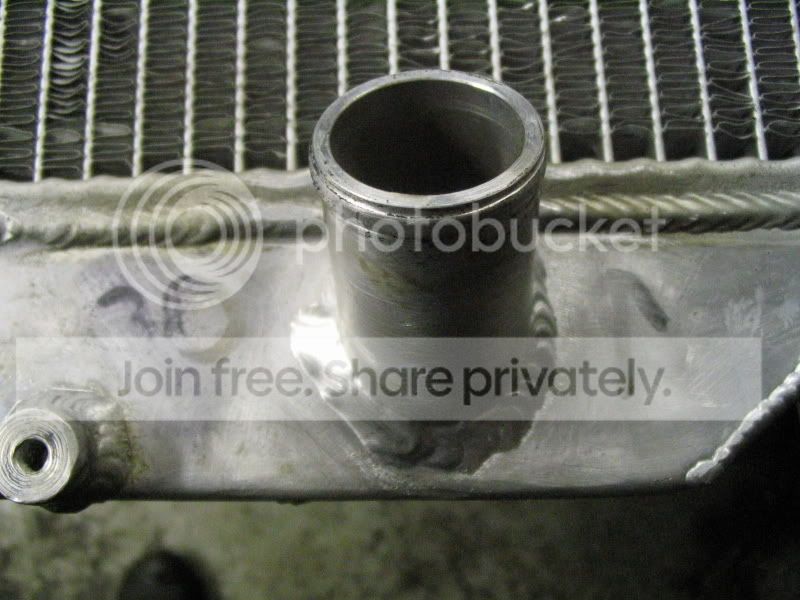
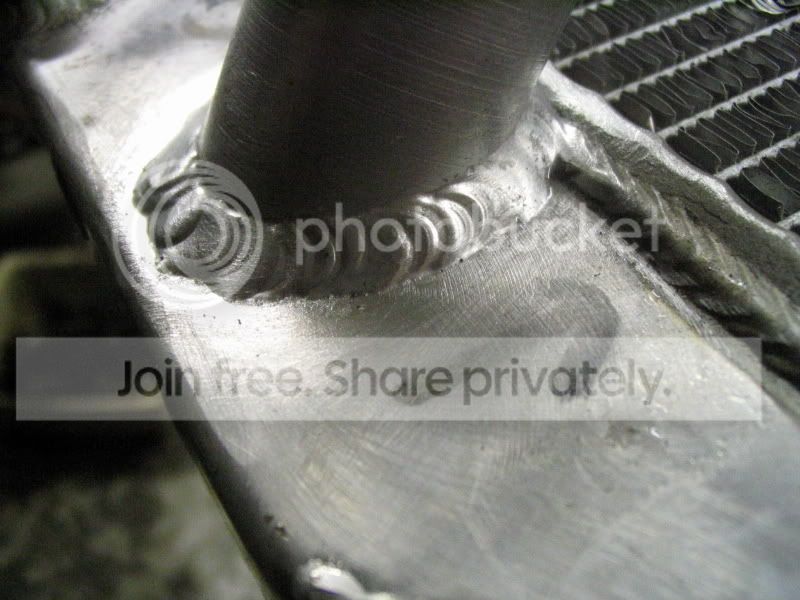
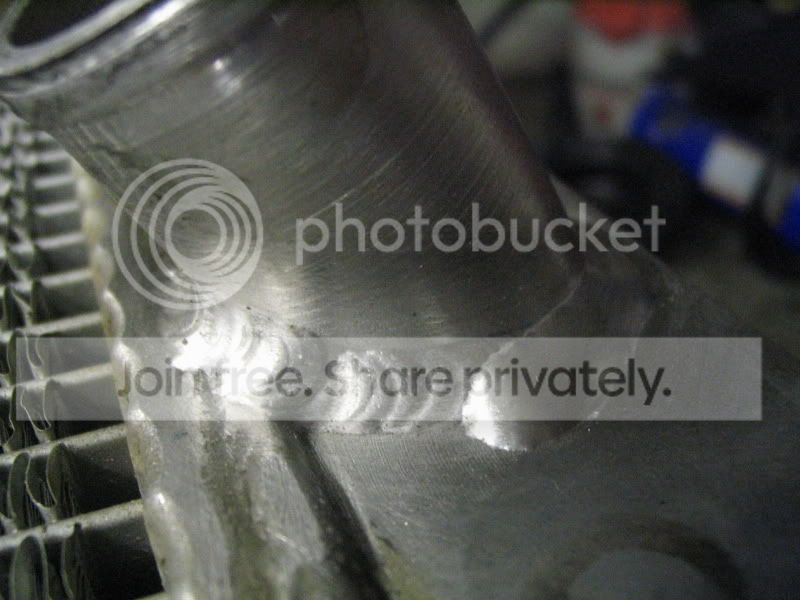
and the plugged hole

What do you guys think ?
and the plugged hole
 Re: First EVER aluminium welds (KNS Autosport)
Its not the best looking welds but as long as it serves its purpose then who gives a ish? Aluminum isn't easy to weld let alone make the welds presentable.


Honda-Tech Member
Joined: Apr 2008
Posts: 1,300
Likes: 0
From: Parrish, FL
Re: First EVER aluminium welds (SD_Lurker)
<TABLE WIDTH="90%" CELLSPACING=0 CELLPADDING=0 ALIGN=CENTER><TR><TD>Quote, originally posted by SD_Lurker »</TD></TR><TR><TD CLASS="quote">Its not the best looking welds but as long as it serves its purpose then who gives a ish? Aluminum isn't easy to weld let alone make the welds presentable. </TD></TR></TABLE>
exactly what I was thinking. It ain't perfect looking but does look like it'll do the job just fine.
exactly what I was thinking. It ain't perfect looking but does look like it'll do the job just fine.


Trending Topics


Honda-Tech Member
Joined: Oct 2004
Posts: 71
Likes: 0
From: Melbourne, Victoria, Australia
Re: (92exaccord)
Like all welding it's practice, practice, practice. Where you have welded in the plug where your outlet was originally your welds are too hot and your travel speed too slow.
Aluminium is difficult in that when it starts to get hot it gets hot really fast, you need the heat to start the pool but then it all gets interesting very quickly.
I do a lot of ally welding with 1.6mm wire but in case like that I'd go to 2.4mm and use the extra mass of the wire to "cool" the weld pool and keep it more controllable.
I don't know what type of Tig machine you used but if it's a modern inverter machine I would be upping the AC hertz frequency to 150-175 Hz and pushing the AC balance further to the penetration side to get a nice tight arc for welding the outlet tube.
As you use a tighter arc you will need to up your amperage to compensate for the changes.
Start welding about a 1/4 of the way around the tube below the header plate assembly approx where the centre of your arrow is(assuming you're right handed and welding clockwise) this allows you to weld around the tube building the heat up as you go towards the header plate. The header plate is thicker and sucks up the heat and cools the weld pool preventing it from overheating, the last 1/4 has had a lot of heat sucked out by the header plate so it shouldn't overheat even though it's thinner.
Regards Andrew from Oz.
Aluminium is difficult in that when it starts to get hot it gets hot really fast, you need the heat to start the pool but then it all gets interesting very quickly.
I do a lot of ally welding with 1.6mm wire but in case like that I'd go to 2.4mm and use the extra mass of the wire to "cool" the weld pool and keep it more controllable.
I don't know what type of Tig machine you used but if it's a modern inverter machine I would be upping the AC hertz frequency to 150-175 Hz and pushing the AC balance further to the penetration side to get a nice tight arc for welding the outlet tube.
As you use a tighter arc you will need to up your amperage to compensate for the changes.
Start welding about a 1/4 of the way around the tube below the header plate assembly approx where the centre of your arrow is(assuming you're right handed and welding clockwise) this allows you to weld around the tube building the heat up as you go towards the header plate. The header plate is thicker and sucks up the heat and cools the weld pool preventing it from overheating, the last 1/4 has had a lot of heat sucked out by the header plate so it shouldn't overheat even though it's thinner.
Regards Andrew from Oz.


Thread
Thread Starter
Forum
Replies
Last Post