


Dynoed Today!


Thread Starter
Honda-Tech Member
Joined: Feb 2003
Posts: 123
Likes: 0
From: Calgary, ALberta, Canada
 Dynoed Today!
Car: 2008 Acura CSX Type S
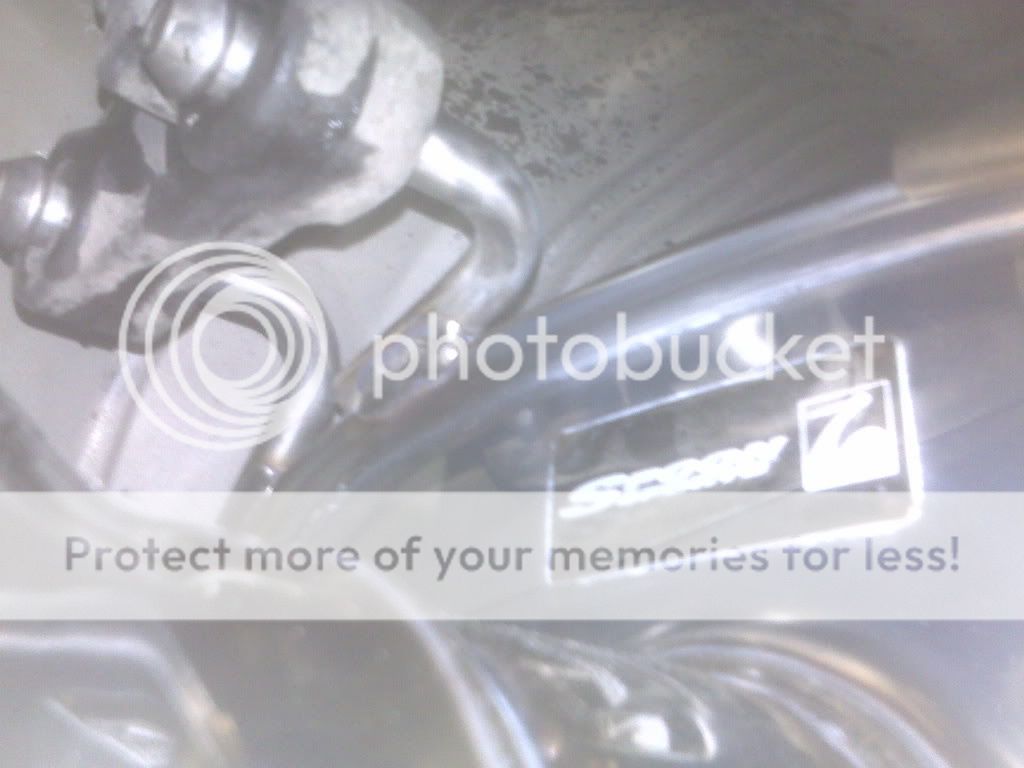
Mods: Injen Short Ram Intake, Spoon Cat-Back Exhaust 64mm piping (cat-back is for the new Civic Type R FD2), T1R Race Header

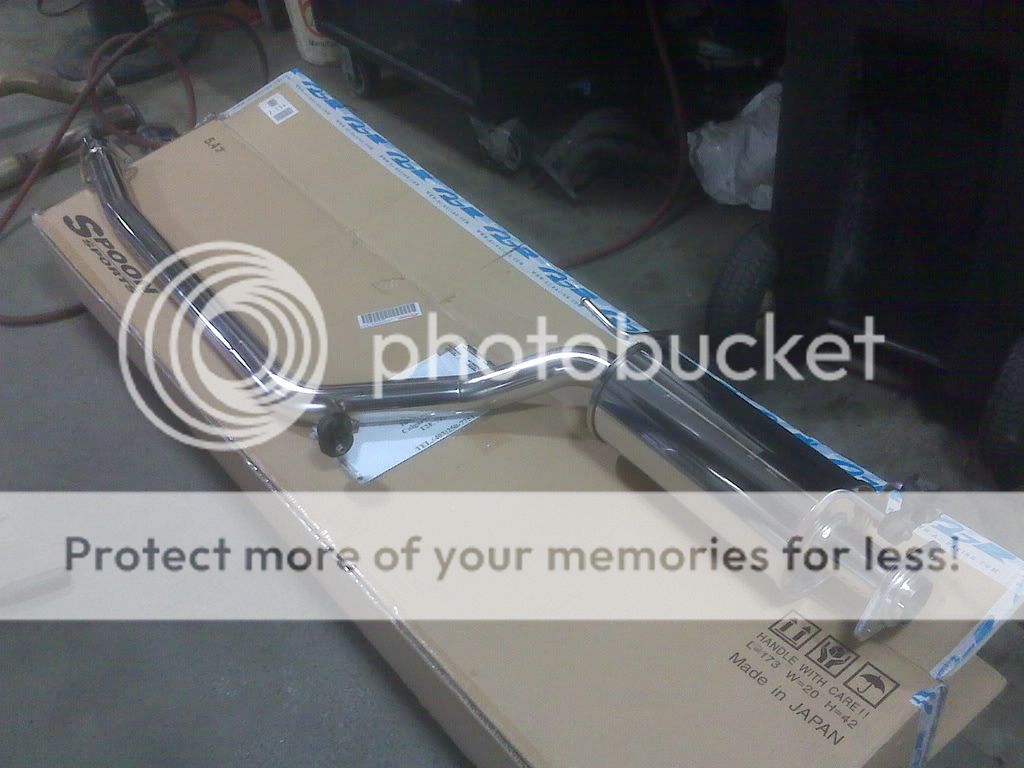

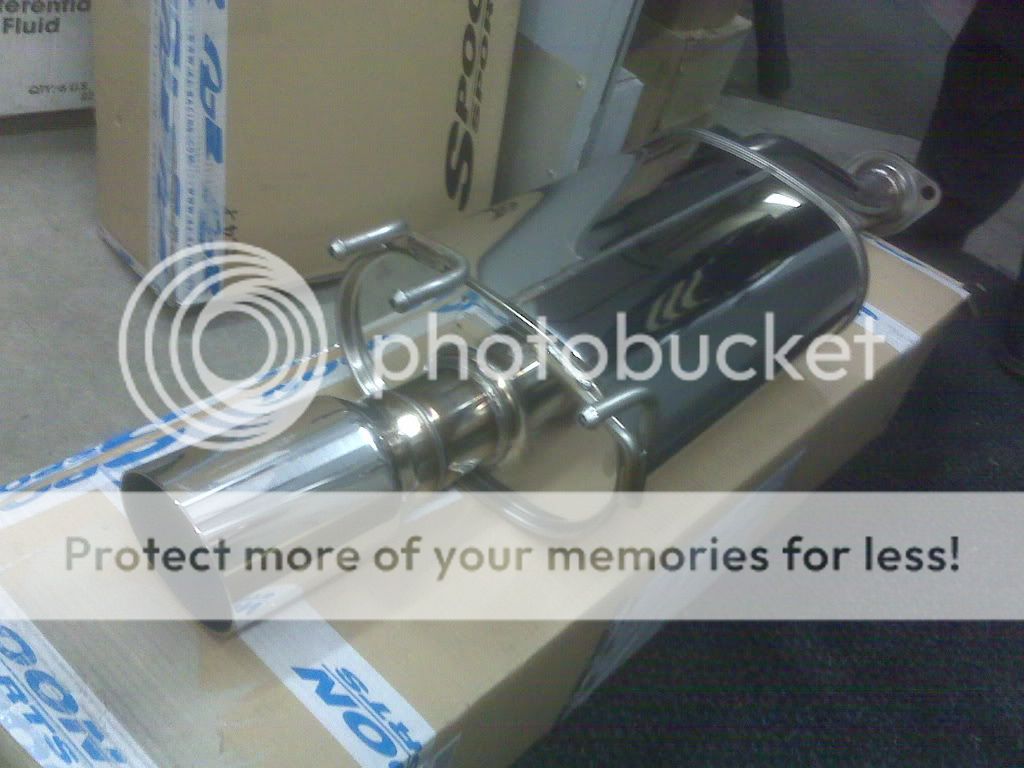

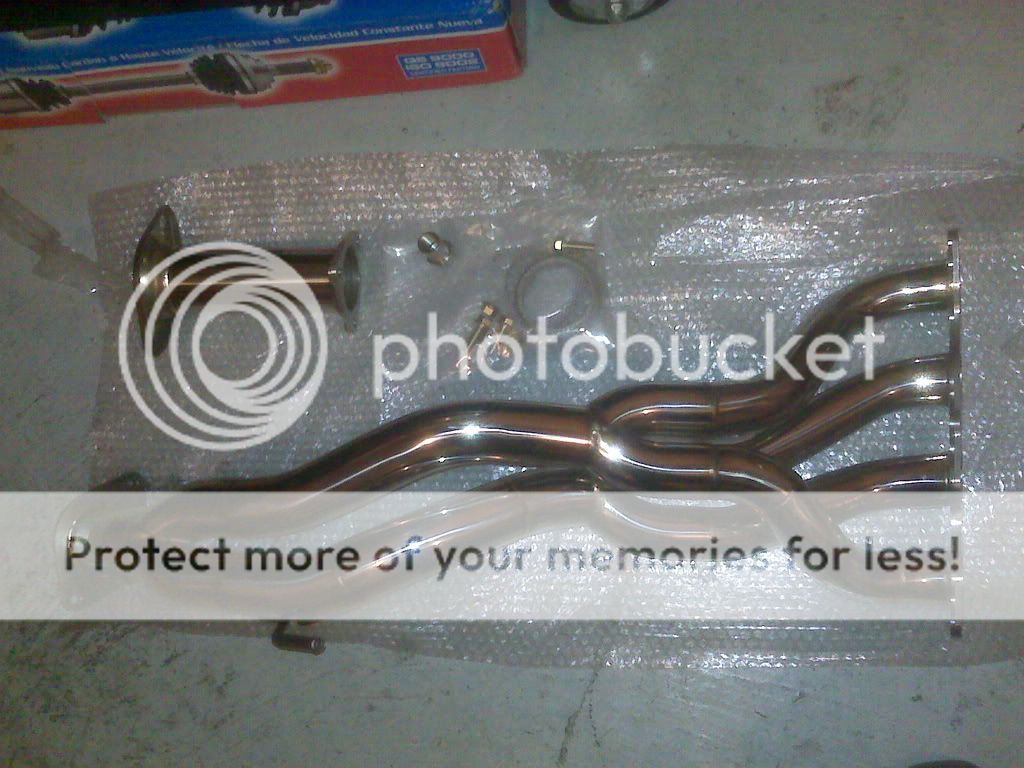
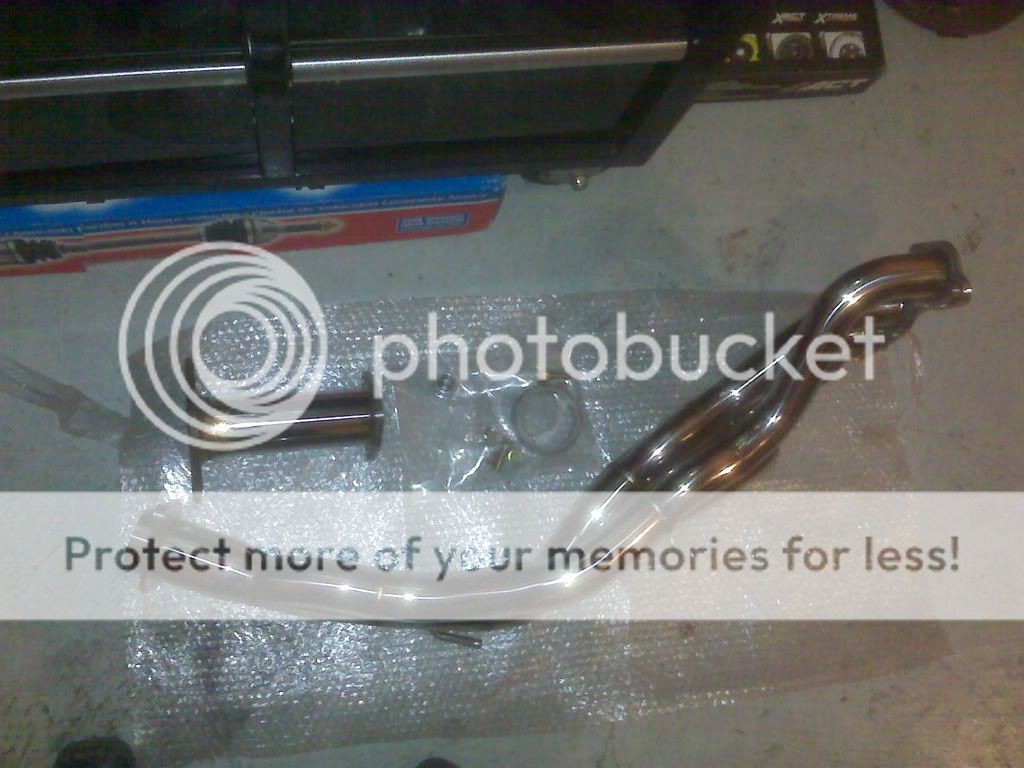
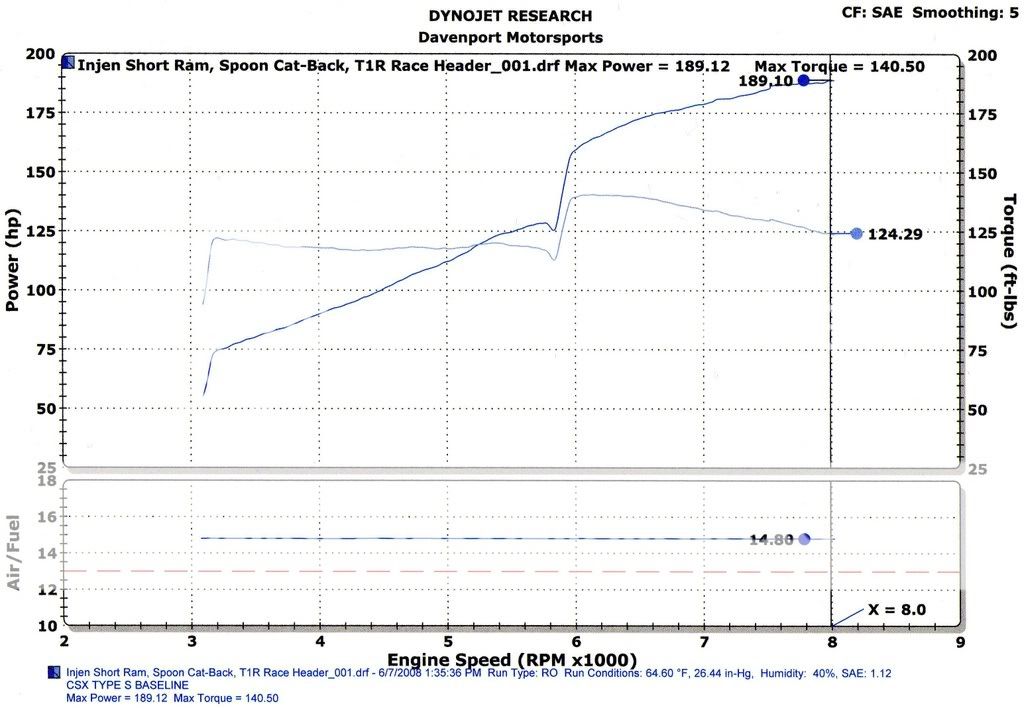
I actually quite happy with what it pulled today. I was actually expecting it to be alot less than what it turned out to be. Now all i am waiting for is my hondata reflash which supposedly is going to add 15-25 hp and 15-29ft/lbs of torque in the mid range which will totally get rid of the dip before VTEC which will make it alot more linear. I will post a new dyno sheet when i get the reflash back.
Mods: Injen Short Ram Intake, Spoon Cat-Back Exhaust 64mm piping (cat-back is for the new Civic Type R FD2), T1R Race Header
I actually quite happy with what it pulled today. I was actually expecting it to be alot less than what it turned out to be. Now all i am waiting for is my hondata reflash which supposedly is going to add 15-25 hp and 15-29ft/lbs of torque in the mid range which will totally get rid of the dip before VTEC which will make it alot more linear. I will post a new dyno sheet when i get the reflash back.


Honda-Tech Member
Joined: Nov 2002
Posts: 2,659
Likes: 0
From: Maricopa County
Re: Hot Beef Injection!
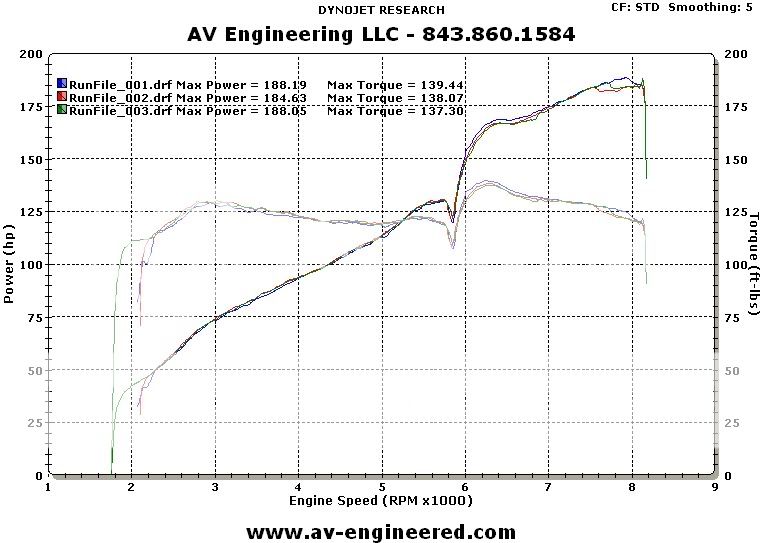
LOL @ comapring dyno reuslts from different dynos from different regions with different elevations and different atmospheric conditions.
Modified by Kidnkorner at 9:30 PM 6/8/2008
Modified by Kidnkorner at 9:30 PM 6/8/2008

Junior Member
Joined: May 2008
Posts: 88
Likes: 0
From: Albany, NY, 12303
Re: (Kidnkorner)
<TABLE WIDTH="90%" CELLSPACING=0 CELLPADDING=0 ALIGN=CENTER><TR><TD>Quote, originally posted by Kidnkorner »</TD></TR><TR><TD CLASS="quote">LOL @ comapring dyno reuslts from different dynos from different regions with different elevations and different atmospheric conditions.</TD></TR></TABLE>
+1 big difference
+1 big difference


Member
Joined: Aug 2007
Posts: 1,687
Likes: 0
From: SC/GA Border
Re: Hot Beef Injection! (Kidnkorner)
<TABLE WIDTH="90%" CELLSPACING=0 CELLPADDING=0 ALIGN=CENTER><TR><TD>Quote, originally posted by Kidnkorner »</TD></TR><TR><TD CLASS="quote">LOL @ comapring dyno reuslts from different dynos from different regions with different elevations and different atmospheric conditions.
Modified by Kidnkorner at 9:30 PM 6/8/2008</TD></TR></TABLE>
they are the same dyno's. but i didnt think about the elevation/region difference.
but thats a big loss due to those factors.
Modified by Kidnkorner at 9:30 PM 6/8/2008</TD></TR></TABLE>
they are the same dyno's. but i didnt think about the elevation/region difference.
but thats a big loss due to those factors.
Trending Topics

Honda-Tech Member
Joined: Jan 2007
Posts: 3,951
Likes: 0
From: atlanta, ga, usa
Re: Hot Beef Injection! (SIVIC 3)
<TABLE WIDTH="90%" CELLSPACING=0 CELLPADDING=0 ALIGN=CENTER><TR><TD>Quote, originally posted by SIVIC 3 »</TD></TR><TR><TD CLASS="quote">
they are the same dyno's. but i didnt think about the elevation/region difference.
but thats a big loss due to those factors.</TD></TR></TABLE>
the big difference is in the correction factor.
<TABLE WIDTH="90%" CELLSPACING=0 CELLPADDING=0 ALIGN=CENTER><TR><TD>Quote, originally posted by from the interwebz »</TD></TR><TR><TD CLASS="quote">
SAE:
"SAE (Society of Automotive Engineers), USA. Power is corrected to reference conditions of 29.23 InHg (99 kPa) of dry air and 77 F (25°C). This SAE standard requires a correction for friction torque.
STD:
STD is Another power correction standard determined by the SAE. Power is corrected to reference conditions of 29.92 InHg (103.3 kPa) of dry air and 60 F (15.5°C). Because the reference conditions include higher pressure and cooler air than the SAE standard, these corrected power numbers will always be about 4 % higher than the SAE power numbers. Friction torque is handled in the same way as in the SAE standard."
</TD></TR></TABLE>
they are the same dyno's. but i didnt think about the elevation/region difference.
but thats a big loss due to those factors.</TD></TR></TABLE>
the big difference is in the correction factor.
<TABLE WIDTH="90%" CELLSPACING=0 CELLPADDING=0 ALIGN=CENTER><TR><TD>Quote, originally posted by from the interwebz »</TD></TR><TR><TD CLASS="quote">
SAE:
"SAE (Society of Automotive Engineers), USA. Power is corrected to reference conditions of 29.23 InHg (99 kPa) of dry air and 77 F (25°C). This SAE standard requires a correction for friction torque.
STD:
STD is Another power correction standard determined by the SAE. Power is corrected to reference conditions of 29.92 InHg (103.3 kPa) of dry air and 60 F (15.5°C). Because the reference conditions include higher pressure and cooler air than the SAE standard, these corrected power numbers will always be about 4 % higher than the SAE power numbers. Friction torque is handled in the same way as in the SAE standard."
</TD></TR></TABLE>

Thread
Thread Starter
Forum
Replies
Last Post
RBaluca.com
Honda / Acura
198
Dec 14, 2007 11:32 AM
DeDonDeRosa
Honda / Acura
34
Feb 7, 2006 08:39 AM
DutchITR1689
Acura Integra Type-R
8
Dec 27, 2001 04:32 PM