


plastic, polycarbonate, lexan heat forming


Thread Starter
Honda-Tech Member

Joined: Feb 2005
Posts: 4,235
Likes: 127
From: Mustard Belt
 plastic, polycarbonate, lexan heat forming
has anyone tried doing this to make parts? i need to make some custom shrouding, but i'd rather it be out of plastic rather than metal or fiberglass.
i'm thinking something like soften a sheet of plexi in the oven to preform, then using a heat gun to get the detailed features in.
do's or don'ts, tricks or tecniques...
i'm thinking something like soften a sheet of plexi in the oven to preform, then using a heat gun to get the detailed features in.
do's or don'ts, tricks or tecniques...

Junior Member
Joined: May 2006
Posts: 156
Likes: 0
Re: plastic, polycarbonate, lexan heat forming (hondamark35)
i've been plannin on using this same idea for some parts also, i think as long as you move somewhat slow and maybe find a way to keep the plastic warm and soft it will work pretty decent, i thought about making a clear hood strictly for shows a few years back instead of buying one, but i never took it seriously...

Joined: Jan 2008
Posts: 37
Likes: 0
From: Lexington, SC
Re: plastic, polycarbonate, lexan heat forming (hondamark35)
I tried it before on a piece of lexan. It takes alot of heat for lexan to to loose it memory almost to the point of bubbling. It keeps it rigidity quite well.
May I ask what will it be shrouding? How much detail does it need?
Modified by Coal_forge at 3:56 PM 3/31/2008
May I ask what will it be shrouding? How much detail does it need?
Modified by Coal_forge at 3:56 PM 3/31/2008
Thread Starter
Honda-Tech Member
Joined: Feb 2005
Posts: 4,235
Likes: 127
From: Mustard Belt
Re: plastic, polycarbonate, lexan heat forming (Coal_forge)
i'm doing a bit of a franken-build F23, and the timing cover is no longer usable. most guys run without it but i just don't like the idea of that. every factory car i've seen comes with one in place....
thought it'd be pretty cool to have a clear custom timing cover. and i think it would be a great material for the job.
so to answer your question, i would need to be able to control the shape pretty well, but i planned to do some trimming and fitting after i formed it.
thought it'd be pretty cool to have a clear custom timing cover. and i think it would be a great material for the job.
so to answer your question, i would need to be able to control the shape pretty well, but i planned to do some trimming and fitting after i formed it.

B*a*n*n*e*d
Joined: Jan 2002
Posts: 7,177
Likes: 0
From: retired 2/13/10
Re: plastic, polycarbonate, lexan heat forming (hondamark35)
you really need a big oven with real good temperature control. i tried to form lexan and it flat didnt work. it would heat up real quickly deform and warp then cool down real quickly. i wasted alot of time trying it.
Thread Starter
Honda-Tech Member
Joined: Feb 2005
Posts: 4,235
Likes: 127
From: Mustard Belt
Re: plastic, polycarbonate, lexan heat forming (1 2 NV)
what about putting the lexan on a preform in the oven, then adding detail with a heat gun?
i'll probably try this pretty soon.
i'll probably try this pretty soon.
Thread Starter
Honda-Tech Member
Joined: Feb 2005
Posts: 4,235
Likes: 127
From: Mustard Belt
i plan on giving some of these ideas a little trial and error.
if anyone is interested in a how-to or is just curious to see the results just reply to this post so i'll know.
if anyone is interested in a how-to or is just curious to see the results just reply to this post so i'll know.
Trending Topics

OG Fabricator
Joined: Jan 2006
Posts: 661
Likes: 0
From: Saint Helens, OR, USA
Re: (hondamark35)
Most of the polycarbonate/lexan forming machines that I've seen, keep the heat on the lexan even as its being vacuum formed. They only let off the heat once the part pulls a certain vacuum pressure.

Honda-Tech Member
Joined: Mar 2002
Posts: 4,546
Likes: 0
From: MD
Re: (CRMB)
I was able to make some simple rectangular boxes to cover some things in the garage, but I used a butane torch and bent one corner at a time. I was planning on trying a similar technique to form door panels.
let me know if you try anything, maybe I will get on the ball and try some new things myself
let me know if you try anything, maybe I will get on the ball and try some new things myself
Thread Starter
Honda-Tech Member
Joined: Feb 2005
Posts: 4,235
Likes: 127
From: Mustard Belt
Re: (CRMB)
i was reading about some of the machinery and processes in a refernce book at work (just so happens i work with a bunch of engineers in a production environment and they have books on everything) and it pulled vacuum to get the sheet into recessed areas.
i won't be making any mass production or complex shapes so i think all i need is steady even heat and a form for gravity to pull it into.
i won't be making any mass production or complex shapes so i think all i need is steady even heat and a form for gravity to pull it into.
Thread Starter
Honda-Tech Member
Joined: Feb 2005
Posts: 4,235
Likes: 127
From: Mustard Belt
trial and error
i heated some scrap polycarb i had. i tried both butane torch and electric heat gun. the torch worked but the heat gun offered the best control.
i was able to use old engine parts and metal odds and ends to form the plastic. i just set the sheet on top, heated it untill it started to sag, then with another piece of warm metal, press the poly into the detailed area.
i did get some bubbles on the edges of the first try or two, but once i learned what it took to get it right to the temp where it becomes elastic without going over, i was good to go.
i plan to try some other thermo pastics, likely ABS and some acrylic.
i was able to use old engine parts and metal odds and ends to form the plastic. i just set the sheet on top, heated it untill it started to sag, then with another piece of warm metal, press the poly into the detailed area.
i did get some bubbles on the edges of the first try or two, but once i learned what it took to get it right to the temp where it becomes elastic without going over, i was good to go.
i plan to try some other thermo pastics, likely ABS and some acrylic.
Thread Starter
Honda-Tech Member
Joined: Feb 2005
Posts: 4,235
Likes: 127
From: Mustard Belt
i've recieved requests for pics so here's what i've done so far...
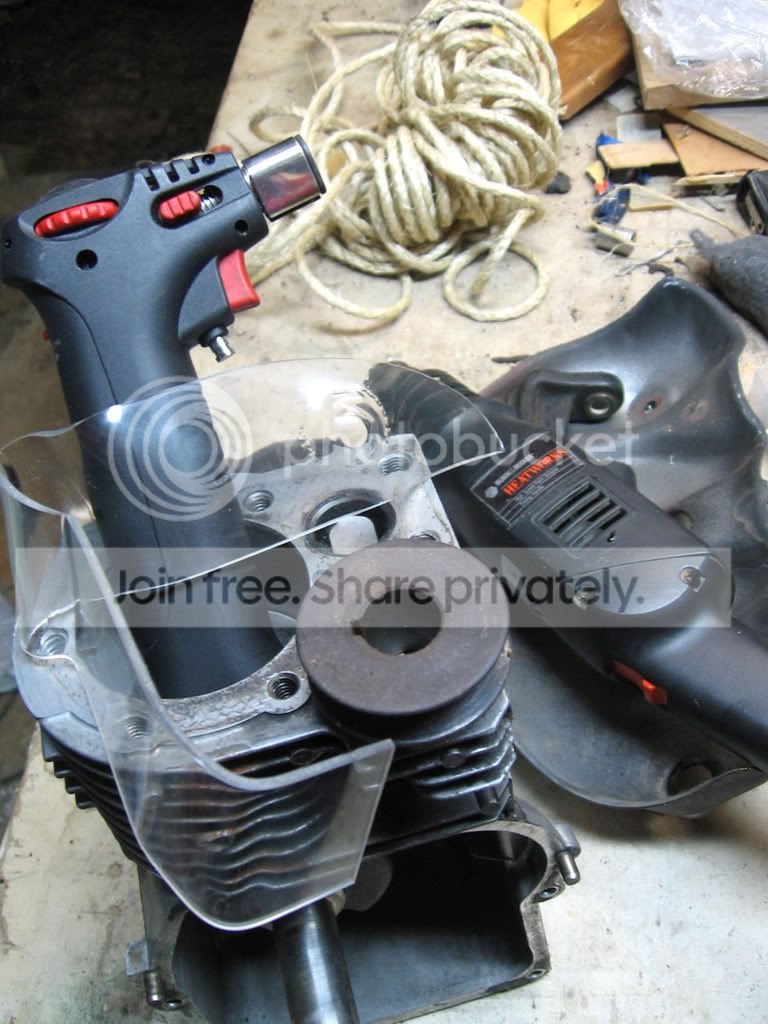
here's the scene. butane torch, heat gun, test piece, bits of metal i used to make the shapes.
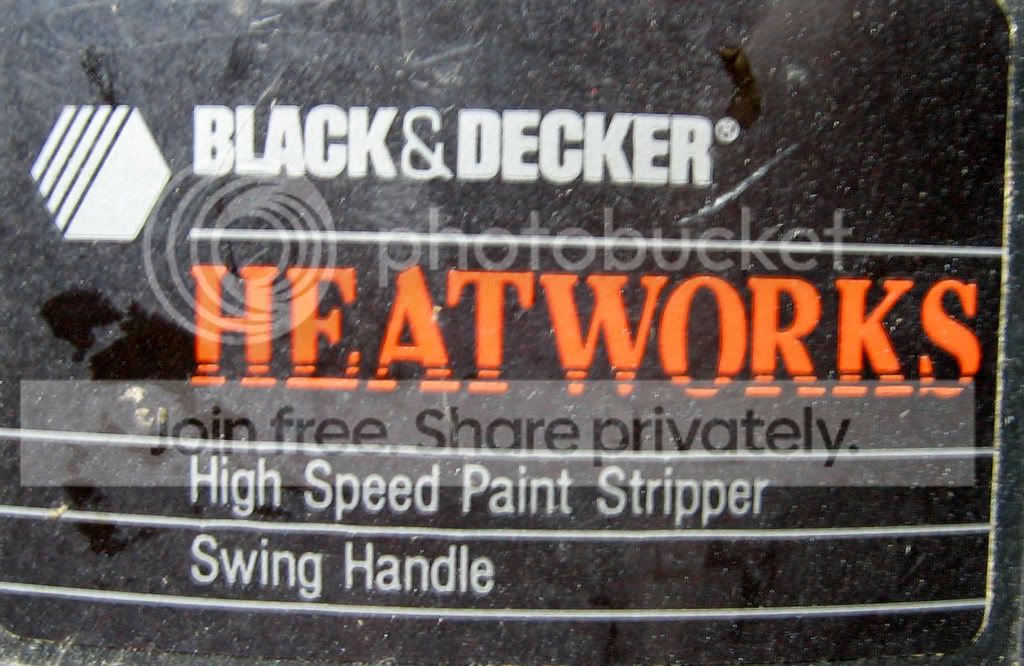
heat gun info
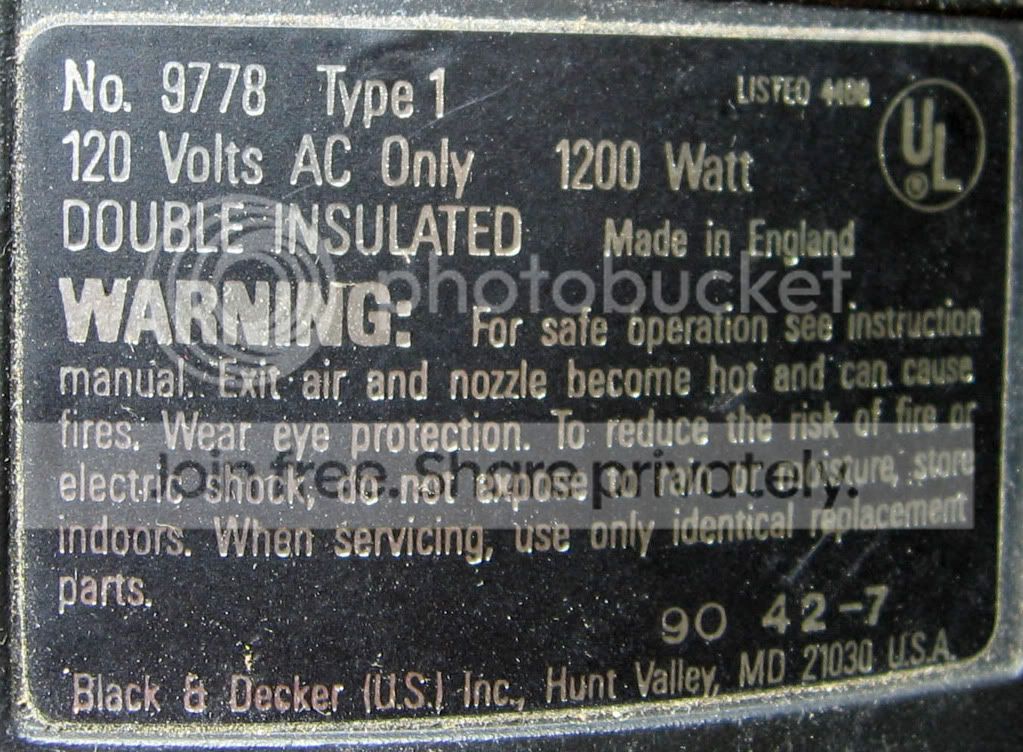
more heat gun info
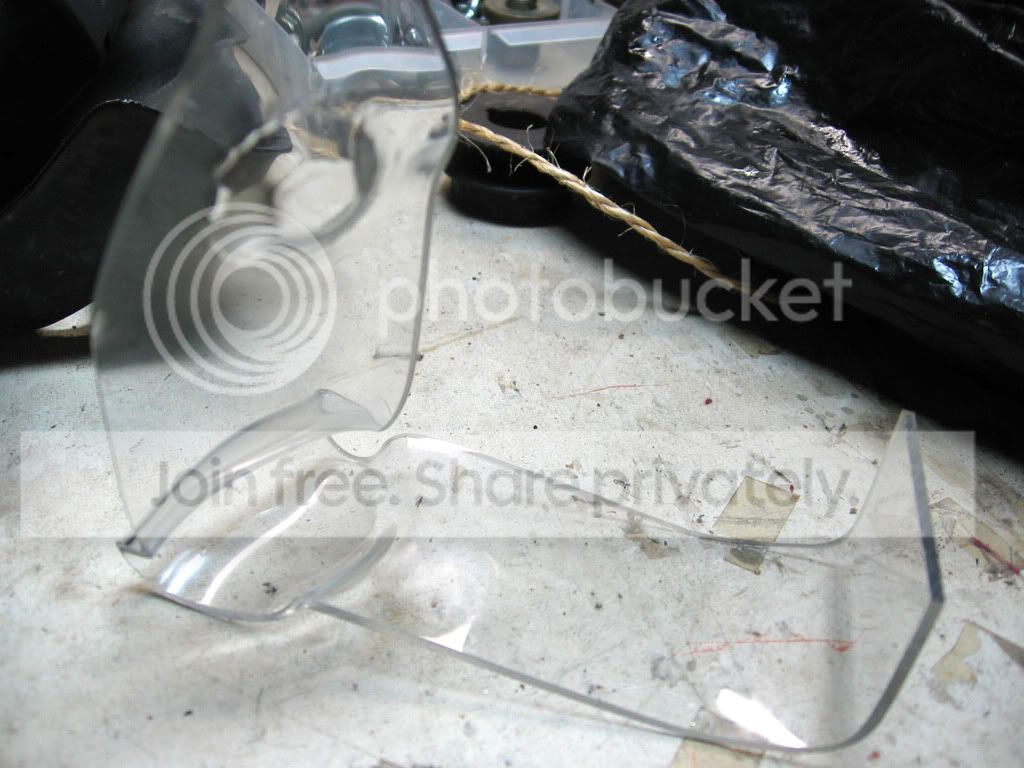
this is the result of all the fun. notice the hex-shaped indention from pressing it over a bolt head. And, i couldn't get a good shot of it, but you can see around the edges of some bends where some bubbling formed, but i was able to find more control with practice and make bubble free bends.
hopefully i'll have more to come soon.
here's the scene. butane torch, heat gun, test piece, bits of metal i used to make the shapes.
heat gun info
more heat gun info
this is the result of all the fun. notice the hex-shaped indention from pressing it over a bolt head. And, i couldn't get a good shot of it, but you can see around the edges of some bends where some bubbling formed, but i was able to find more control with practice and make bubble free bends.
hopefully i'll have more to come soon.
Honda-Tech Member
Joined: Mar 2002
Posts: 4,546
Likes: 0
From: MD
Re: (hondamark35)
Awesome!
How hot did the metal get underneath during the forming? In your opinion, would it be possible to cover plastic (perhaps interior pieces) with aluminum foil and use them for a mold?
How hot did the metal get underneath during the forming? In your opinion, would it be possible to cover plastic (perhaps interior pieces) with aluminum foil and use them for a mold?

Honda-Tech Member
Joined: Dec 2005
Posts: 314
Likes: 0
From: Yorba Linda, ca, United States of America
Re: (B18EG6)
I was about to recommend using a vacu-formable plastic such as PTEG for your project but when you mentioned it is for the engine bay I think it would cause more problems. Hope your project doesn't melt once you fire it up 
Thread Starter
Honda-Tech Member
Joined: Feb 2005
Posts: 4,235
Likes: 127
From: Mustard Belt
Re: (B18EG6)
the problem with aluminum foil is that it won't hold much heat, nor will it insullate the plastic underneath very well.
the goal is to maintain temp in the plastic untill it's the shape you want. having a big chunk of metal under it (the Briggs motor i used) to heat up along with the plastic makes everything much easier.
so i would assume the metal was the same temp as the plastic give or take, which should be in the range of 300-320 degrees F.
so, as for the final product working well under the hood... i think i'll be ok if it doesn't even get pliable untill 300.
the goal is to maintain temp in the plastic untill it's the shape you want. having a big chunk of metal under it (the Briggs motor i used) to heat up along with the plastic makes everything much easier.
so i would assume the metal was the same temp as the plastic give or take, which should be in the range of 300-320 degrees F.
so, as for the final product working well under the hood... i think i'll be ok if it doesn't even get pliable untill 300.
Thread Starter
Honda-Tech Member
Joined: Feb 2005
Posts: 4,235
Likes: 127
From: Mustard Belt
Re: plastic, polycarbonate, lexan heat forming (hondamark35)
i checked out the selection at Lowes... i think that what i tested was acrylic. i though originally that it was polycarbonate. i will pick up some polycarbonate and try the same tests with it to see if it performs any differently.
Thread Starter
Honda-Tech Member
Joined: Feb 2005
Posts: 4,235
Likes: 127
From: Mustard Belt
Re: plastic, polycarbonate, lexan heat forming (hondamark35)
had another thought today... i may be able to tint the plastics. personally i like the idea of completely clear parts, but for the sake knowing how and what not, i'll try it on some smaller bits.
Thread Starter
Honda-Tech Member
Joined: Feb 2005
Posts: 4,235
Likes: 127
From: Mustard Belt
Re: plastic, polycarbonate, lexan heat forming (B18EG6)
believe it or not, i'll be using run-of-the-mill fabric dye.
i'm pretty sure it'll work on the acrylic. what i'll have to test is how well it works, and if it will work on polycarbonate. those i am unsure of.
i'm pretty sure it'll work on the acrylic. what i'll have to test is how well it works, and if it will work on polycarbonate. those i am unsure of.


Joined: Apr 2008
Posts: 360
Likes: 0
From: Chilliwack, BC, Canada
Re: plastic, polycarbonate, lexan heat forming (comp)
You could have a piece of lexan machined to fit then just polish it to get the shine back...I could probably draw you a cad file up if you wanted one??
Joined: Jan 2008
Posts: 37
Likes: 0
From: Lexington, SC
Re: plastic, polycarbonate, lexan heat forming (comp)
hmmm about that spray they use for tinting head lights. My friend got some of that stuff at ultimate audio I believe. Have you tried forming it in an oven?
Joined: Apr 2008
Posts: 360
Likes: 0
From: Chilliwack, BC, Canada
Re: plastic, polycarbonate, lexan heat forming (Coal_forge)
I have tinted many a tallight and headlight the right way( NIGHTSHADES is crap IMO) You could do it with a kandy black base and then clear over that to keep it resilient, and if you were to sand with 1000 girt and then do it on the inside of the piece it would look great.
Thread Starter
Honda-Tech Member
Joined: Feb 2005
Posts: 4,235
Likes: 127
From: Mustard Belt
Re: plastic, polycarbonate, lexan heat forming (DDEVIANT1)
1) experimental heat forming is the point here. machining something would kinda negate that.
2) paint will never stick like actually changing the color of the plastic with tint. (although... that sounds interesting, what's the stuff called? i just have trouble trusting paint on plastic)
3) althought your reply was to comp, i assume you are offering to send cad drawings to me. i'm all set for CAD. thanks though.
2) paint will never stick like actually changing the color of the plastic with tint. (although... that sounds interesting, what's the stuff called? i just have trouble trusting paint on plastic)
3) althought your reply was to comp, i assume you are offering to send cad drawings to me. i'm all set for CAD. thanks though.
Joined: Apr 2008
Posts: 360
Likes: 0
From: Chilliwack, BC, Canada
Re: plastic, polycarbonate, lexan heat forming (hondamark35)
Paint WILL stick to plastic, if you use the proper adhesion promoters first and properly prep the plastic with sanding and what not first. ALSA's PLASTICK works great for this...I do realise thiswas about experimental heat forming, and I have a good amount of experience doing heat forming with polycarbonate as well as acrylic, But it was also a post about making a part and I posted what I though would be an alternate way to do it....I don't mean to step on any toe or what not especially as I am new here. And I also am a tinter, partially by trade and You would be far better off using a spary applied tint than any film.