


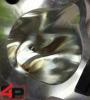
Looky at my header tube

Thread Starter
Honda-Tech Member
Joined: Oct 2001
Posts: 4,560
Likes: 2
From: Indianapolis, USA
 Looky at my header tube
I was using this for a B series header I was building and I can no longer have the time to complete it. Time to go racing!! 
I figured it was an appropriate thing for the fab forum. If not, I apologize in advance. If anyone wants to take this project over drop me a PM
1- 2" Merged Collector 304L with Megaphone
2- 1-3/4" x 4" radius 304L
1- 1-3/4" x 5" radius 304L
2- 1-7/8" x 5" radius 304L
3- 2" x 5" radius 304L
1- Honda B18 CNC 1-3/4 Header Flange

I figured it was an appropriate thing for the fab forum. If not, I apologize in advance. If anyone wants to take this project over drop me a PM
1- 2" Merged Collector 304L with Megaphone
2- 1-3/4" x 4" radius 304L
1- 1-3/4" x 5" radius 304L
2- 1-7/8" x 5" radius 304L
3- 2" x 5" radius 304L
1- Honda B18 CNC 1-3/4 Header Flange


Thread Starter
Honda-Tech Member
Joined: Oct 2001
Posts: 4,560
Likes: 2
From: Indianapolis, USA
Re: Looky at my header tube (ilovemycoupe)
<TABLE WIDTH="90%" CELLSPACING=0 CELLPADDING=0 ALIGN=CENTER><TR><TD>Quote, originally posted by ilovemycoupe »</TD></TR><TR><TD CLASS="quote">price...?</TD></TR></TABLE>
$500 sound fair? I have the invoice dated 6/20/05 for $750 that I paid. Steel has gone up a bit since then
317-902-0200 is my number
$500 sound fair? I have the invoice dated 6/20/05 for $750 that I paid. Steel has gone up a bit since then
317-902-0200 is my number

Joined: May 2002
Posts: 3
Likes: 1
From: banned NC
Re: (baseballinmyass)
<TABLE WIDTH="90%" CELLSPACING=0 CELLPADDING=0 ALIGN=CENTER><TR><TD>Quote, originally posted by baseballinmyass »</TD></TR><TR><TD CLASS="quote">as the exhaust gases expand they increase in velocity, increasing flow rates</TD></TR></TABLE>
not correct, please dont post this stuff.
larger diameters and same flowrates decrease velocity and increase pressure.
not correct, please dont post this stuff.
larger diameters and same flowrates decrease velocity and increase pressure.

Honda-Tech Member
Joined: May 2002
Posts: 1,098
Likes: 2
From: Plymouth, MN
Re: (dfoxengr)
<TABLE WIDTH="90%" CELLSPACING=0 CELLPADDING=0 ALIGN=CENTER><TR><TD>Quote, originally posted by dfoxengr »</TD></TR><TR><TD CLASS="quote">
not correct, please dont post this stuff.
larger diameters and same flowrates decrease velocity and increase pressure.</TD></TR></TABLE>
Glad you corrected him, so I didn't have to.
not correct, please dont post this stuff.
larger diameters and same flowrates decrease velocity and increase pressure.</TD></TR></TABLE>
Glad you corrected him, so I didn't have to.
Trending Topics

Honda-Tech Member
Joined: Sep 2003
Posts: 3,039
Likes: 2
From: insanity
Re: (dfoxengr)
<TABLE WIDTH="90%" CELLSPACING=0 CELLPADDING=0 ALIGN=CENTER><TR><TD>Quote, originally posted by dfoxengr »</TD></TR><TR><TD CLASS="quote">
not correct, please dont post this stuff.
larger diameters and same flowrates decrease velocity and increase pressure.</TD></TR></TABLE>
How can you have the same flow rate if you have a larger diameter? I havent takin fluid dynamics yet
not correct, please dont post this stuff.
larger diameters and same flowrates decrease velocity and increase pressure.</TD></TR></TABLE>
How can you have the same flow rate if you have a larger diameter? I havent takin fluid dynamics yet

Joined: May 2002
Posts: 3
Likes: 1
From: banned NC
Re: (dr.NAPIER)
<TABLE WIDTH="90%" CELLSPACING=0 CELLPADDING=0 ALIGN=CENTER><TR><TD>Quote, originally posted by dr.NAPIER »</TD></TR><TR><TD CLASS="quote">How can you have the same flow rate if you have a larger diameter? I havent takin fluid dynamics yet</TD></TR></TABLE>
flow rate will be the same within reference regardless of an area, to an extent.
the flowrate is what is dictating here not, what is being dictated.
so Q=v * A
so change one, and see how the other changes.
also with increased velocity pressure goes down. and inversely as well.
flow rate will be the same within reference regardless of an area, to an extent.
the flowrate is what is dictating here not, what is being dictated.
so Q=v * A
so change one, and see how the other changes.
also with increased velocity pressure goes down. and inversely as well.

Joined: Nov 2004
Posts: 660
Likes: 0
From: cleveland, oh, usa
Re: (dfoxengr)
<TABLE WIDTH="90%" CELLSPACING=0 CELLPADDING=0 ALIGN=CENTER><TR><TD>Quote, originally posted by dfoxengr »</TD></TR><TR><TD CLASS="quote">
not correct, please dont post this stuff.
larger diameters and same flowrates decrease velocity and increase pressure.</TD></TR></TABLE>
well i guess your forgeting about venturi's
not correct, please dont post this stuff.
larger diameters and same flowrates decrease velocity and increase pressure.</TD></TR></TABLE>
well i guess your forgeting about venturi's
Joined: Nov 2004
Posts: 660
Likes: 0
From: cleveland, oh, usa
Re: (dfoxengr)
<TABLE WIDTH="90%" CELLSPACING=0 CELLPADDING=0 ALIGN=CENTER><TR><TD>Quote, originally posted by dfoxengr »</TD></TR><TR><TD CLASS="quote">
larger diameters and same flowrates decrease velocity and increase pressure.</TD></TR></TABLE>
actually, larger diameter decrease pressure...
larger diameters and same flowrates decrease velocity and increase pressure.</TD></TR></TABLE>
actually, larger diameter decrease pressure...
Joined: Nov 2004
Posts: 660
Likes: 0
From: cleveland, oh, usa
Re: (dfoxengr)
<TABLE WIDTH="90%" CELLSPACING=0 CELLPADDING=0 ALIGN=CENTER><TR><TD>Quote, originally posted by dfoxengr »</TD></TR><TR><TD CLASS="quote">
flow rate will be the same within reference regardless of an area, to an extent.
the flowrate is what is dictating here not, what is being dictated.
so Q=v * A
so change one, and see how the other changes.
also with increased velocity pressure goes down. and inversely as well.</TD></TR></TABLE>
go fill up your air compressor. let the air out through and air nozzle. then remove the fitting that the line screws into. which one emptyd the tank fatser, the small hole or the large one?
flow rate will be the same within reference regardless of an area, to an extent.
the flowrate is what is dictating here not, what is being dictated.
so Q=v * A
so change one, and see how the other changes.
also with increased velocity pressure goes down. and inversely as well.</TD></TR></TABLE>
go fill up your air compressor. let the air out through and air nozzle. then remove the fitting that the line screws into. which one emptyd the tank fatser, the small hole or the large one?
Joined: May 2002
Posts: 3
Likes: 1
From: banned NC
Re: (baseballinmyass)
http://en.wikipedia.org/wiki/Venturi_effect
remaining posts deleted since i dont like to argue online.
you can come up with you own incorrect conclusions if youd like.
good luck.
Modified by dfoxengr at 8:12 PM 5/10/2007
remaining posts deleted since i dont like to argue online.
you can come up with you own incorrect conclusions if youd like.
good luck.
Modified by dfoxengr at 8:12 PM 5/10/2007
Joined: Nov 2004
Posts: 660
Likes: 0
From: cleveland, oh, usa
Re: (dfoxengr)
<TABLE WIDTH="90%" CELLSPACING=0 CELLPADDING=0 ALIGN=CENTER><TR><TD>Quote, originally posted by dfoxengr »</TD></TR><TR><TD CLASS="quote">
not correct, please dont post this stuff.
larger diameters and same flowrates decrease velocity and increase pressure.</TD></TR></TABLE>
do you even know what your talking about?
here you say larger diameters increase pressure, and in the next post you agree that they decrease pressure
not correct, please dont post this stuff.
larger diameters and same flowrates decrease velocity and increase pressure.</TD></TR></TABLE>
do you even know what your talking about?
here you say larger diameters increase pressure, and in the next post you agree that they decrease pressure
Joined: Nov 2004
Posts: 660
Likes: 0
From: cleveland, oh, usa
Re: (dfoxengr)
<TABLE WIDTH="90%" CELLSPACING=0 CELLPADDING=0 ALIGN=CENTER><TR><TD>Quote, originally posted by dfoxengr »</TD></TR><TR><TD CLASS="quote">
"flow rate will be the same within reference regardless of an area, to an extent.
the flowrate is what is dictating here not, what is being dictated."
------------noted as "choked flow" in the second paragraph of the link posted below.---------</TD></TR></TABLE>
flow is unrelated to area correct?
well if your comin from 3in area to 1 inch area then flow is un changed correct?
<TABLE WIDTH="90%" CELLSPACING=0 CELLPADDING=0 ALIGN=CENTER><TR><TD>Quote, originally posted by dfoxengr »</TD></TR><TR><TD CLASS="quote">
please read this again...your arguement here doenst make sense because Q in the case of the larger hole will obviously be much larger, making your arguement in scope of the above discussion invalid.</TD></TR></TABLE>
im might be wrong but isn't the picture of the venturi the same thing as the megaphone exhaust? "The Venturi effect is an example of Bernoulli's principle, in the case of fluid flow through a tube or pipe with a constriction in it. The fluid velocity must increase through the constriction to satisfy the equation of continuity." if you knew more about venturi effect than what you look up on google then you would know if the area in the beginning is a little larger than the area at the end, you will increase flow.
<TABLE WIDTH="90%" CELLSPACING=0 CELLPADDING=0 ALIGN=CENTER><TR><TD>Quote, originally posted by dfoxengr »</TD></TR><TR><TD CLASS="quote">
are you an ME student or have a degree btw?
</TD></TR></TABLE>
are you the student or the teacher?
<TABLE WIDTH="90%" CELLSPACING=0 CELLPADDING=0 ALIGN=CENTER><TR><TD>Quote, originally posted by dfoxengr »</TD></TR><TR><TD CLASS="quote">
http://en.wikipedia.org/wiki/Venturi_effect
wow, check the caption under the diagram, i guess youre wrong there too.
and here, again read the caption on the diagram for the venturi meter.
</TD></TR></TABLE>
well thanks for proving my point. the pressure is decreased because of increased flow. just like an airplane wing, the air above it moves faster than the air below causing an area of low pressure, the faster the flow the lower the pressue.
Modified by baseballinmyass at 2:57 PM 5/10/2007
"flow rate will be the same within reference regardless of an area, to an extent.
the flowrate is what is dictating here not, what is being dictated."
------------noted as "choked flow" in the second paragraph of the link posted below.---------</TD></TR></TABLE>
flow is unrelated to area correct?
well if your comin from 3in area to 1 inch area then flow is un changed correct?
<TABLE WIDTH="90%" CELLSPACING=0 CELLPADDING=0 ALIGN=CENTER><TR><TD>Quote, originally posted by dfoxengr »</TD></TR><TR><TD CLASS="quote">
please read this again...your arguement here doenst make sense because Q in the case of the larger hole will obviously be much larger, making your arguement in scope of the above discussion invalid.</TD></TR></TABLE>
im might be wrong but isn't the picture of the venturi the same thing as the megaphone exhaust? "The Venturi effect is an example of Bernoulli's principle, in the case of fluid flow through a tube or pipe with a constriction in it. The fluid velocity must increase through the constriction to satisfy the equation of continuity." if you knew more about venturi effect than what you look up on google then you would know if the area in the beginning is a little larger than the area at the end, you will increase flow.
<TABLE WIDTH="90%" CELLSPACING=0 CELLPADDING=0 ALIGN=CENTER><TR><TD>Quote, originally posted by dfoxengr »</TD></TR><TR><TD CLASS="quote">
are you an ME student or have a degree btw?
</TD></TR></TABLE>
are you the student or the teacher?
<TABLE WIDTH="90%" CELLSPACING=0 CELLPADDING=0 ALIGN=CENTER><TR><TD>Quote, originally posted by dfoxengr »</TD></TR><TR><TD CLASS="quote">
http://en.wikipedia.org/wiki/Venturi_effect
wow, check the caption under the diagram, i guess youre wrong there too.
and here, again read the caption on the diagram for the venturi meter.
</TD></TR></TABLE>
well thanks for proving my point. the pressure is decreased because of increased flow. just like an airplane wing, the air above it moves faster than the air below causing an area of low pressure, the faster the flow the lower the pressue.
Modified by baseballinmyass at 2:57 PM 5/10/2007
Joined: Nov 2004
Posts: 660
Likes: 0
From: cleveland, oh, usa
Re: (dfoxengr)
<TABLE WIDTH="90%" CELLSPACING=0 CELLPADDING=0 ALIGN=CENTER><TR><TD>Quote, originally posted by dfoxengr »</TD></TR><TR><TD CLASS="quote">
------------noted as "choked flow" in the second paragraph of the link posted below.---------
</TD></TR></TABLE>
The limiting case of the Venturi effect is choked flow, in which a constriction in a pipe or channel limits the total flow rate through the channel, because the pressure cannot drop below zero in the constriction. Choked flow is used to control the delivery rate of water and other fluids through spigots and other valves.
exactly. maybe you dont understand this paragraph, buy what it is saying, is that the abilty to increase the flow rates is limited by the size of orifice, and flow will be choked , not increased if the orifice is too small. hence the limiting factor.
also this diagram is refering ot noncompressible fluids such as liquids, not gases
------------noted as "choked flow" in the second paragraph of the link posted below.---------
</TD></TR></TABLE>
The limiting case of the Venturi effect is choked flow, in which a constriction in a pipe or channel limits the total flow rate through the channel, because the pressure cannot drop below zero in the constriction. Choked flow is used to control the delivery rate of water and other fluids through spigots and other valves.
exactly. maybe you dont understand this paragraph, buy what it is saying, is that the abilty to increase the flow rates is limited by the size of orifice, and flow will be choked , not increased if the orifice is too small. hence the limiting factor.
also this diagram is refering ot noncompressible fluids such as liquids, not gases

Honda-Tech Member
Joined: Dec 2001
Posts: 1,731
Likes: 0
From: abitibi-temiscamingue, Quebec, Canada
Re: (dfoxengr)
<TABLE WIDTH="90%" CELLSPACING=0 CELLPADDING=0 ALIGN=CENTER><TR><TD>Quote, originally posted by dfoxengr »</TD></TR><TR><TD CLASS="quote">not correct, please dont post this stuff.
larger diameters and same flowrates decrease velocity and increase pressure.</TD></TR></TABLE>
I second that!
as the pipe go larger, velocity decrease, but since pressure is calculated with the pipe area, it does increase...
I do not want to argue this online either, just seconding what the truth is.
those are known fact.
jp
Modified by kranked91dx at 2:27 AM 5/12/2007
larger diameters and same flowrates decrease velocity and increase pressure.</TD></TR></TABLE>
I second that!
as the pipe go larger, velocity decrease, but since pressure is calculated with the pipe area, it does increase...
I do not want to argue this online either, just seconding what the truth is.
those are known fact.
jp
Modified by kranked91dx at 2:27 AM 5/12/2007

Joined: Jan 2006
Posts: 149
Likes: 0
Re: (kranked91dx)
What??
This stuff doesnt make any sense
If you have 1cu ft of air and you put it in a 6" box you will have MORE pressure than if it were in a 12" box. Same principal should apply to tube.
Now velocity will decrease because of the larger pipe. Just look at a air compressor air sprayer thing. The high velocity ones (lots of pressure behind them) use a small opening. The bigger openings can flow more air but at less force. All this **** doesnt matter because I doubt many motors will make enough power to make a difference anyways. If you are a top fuel dragster, then maybe physics need to be involved in planning exhaust.. for every other car...its not going to matter. I think the thing is simply for looks and so if you run an exhaust, you can run a 3" or whatever it is
This stuff doesnt make any sense
If you have 1cu ft of air and you put it in a 6" box you will have MORE pressure than if it were in a 12" box. Same principal should apply to tube.
Now velocity will decrease because of the larger pipe. Just look at a air compressor air sprayer thing. The high velocity ones (lots of pressure behind them) use a small opening. The bigger openings can flow more air but at less force. All this **** doesnt matter because I doubt many motors will make enough power to make a difference anyways. If you are a top fuel dragster, then maybe physics need to be involved in planning exhaust.. for every other car...its not going to matter. I think the thing is simply for looks and so if you run an exhaust, you can run a 3" or whatever it is

Thread
Thread Starter
Forum
Replies
Last Post
LS1Bait
Honda Civic / Del Sol (1992 - 2000)
4
Sep 13, 2009 06:23 AM