When you click on links to various merchants on this site and make a purchase, this can result in this site earning a commission. Affiliate programs and affiliations include, but are not limited to, the eBay Partner Network.
I've had two clutches fail within about a 30-40,000 mile period. I'm wondering if something could be wrong with my clutch fork or the transmission input shaft.... or anything else!
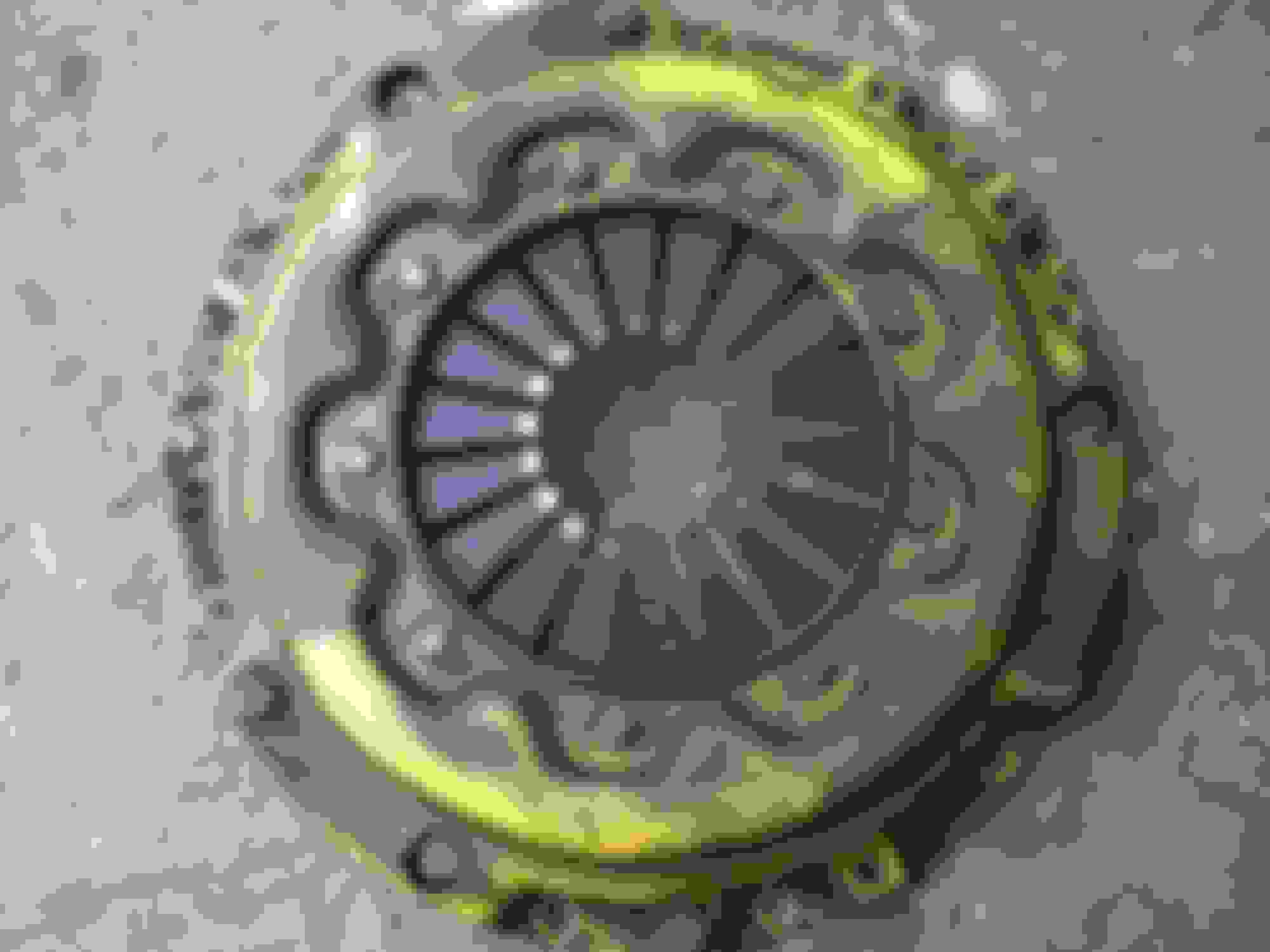
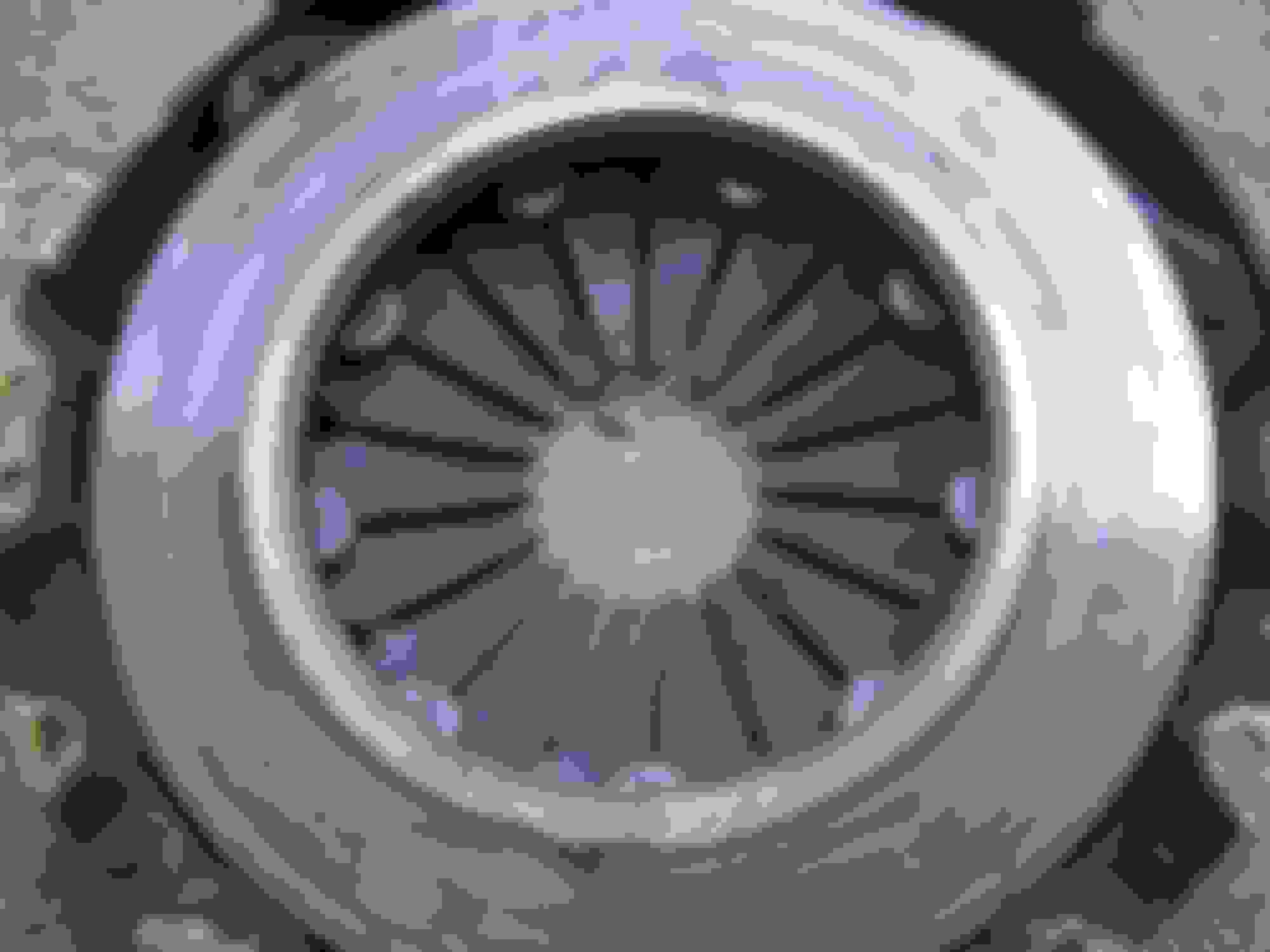
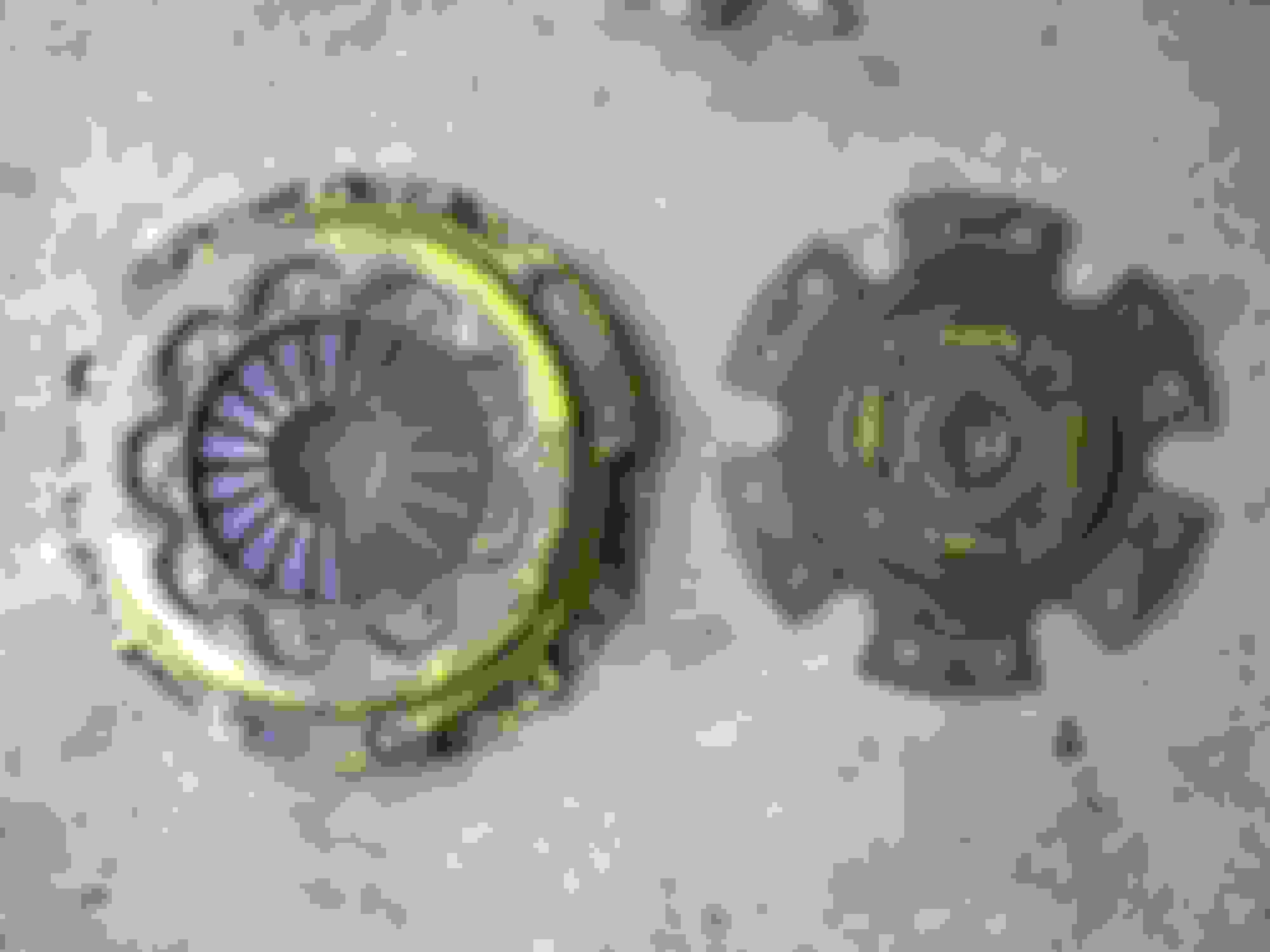
I no longer put a lot of miles on the car. 1991 Integra, stock transmission. I had an ACT stage 2 pressure plate with a sprung 6-puck, about a third of the fingers on the pressure plate bent downward after only putting a few thousand miles on the clutch.
I then replaced that clutch kit with a stage 1 Exedey clutch kit. This clutch has lasted around 30,000 miles, give or take. Around 5,000 miles ago the clutch cable broke. I replaced it. Now this clutch failed. The basket on the clutch disc cracked and broke in multiple places around the outer edges. There is still plenty of friction material on the disc. At first glance the pressure plate appeared OK, but upon a closer look I noticed the fingers were grooved where the throw out bearing rides. The fingers were grooved much deeper about 180 degrees around (the opposite side).
The throw out bearing was replaced with each clutch kit.
Does anyone have any insight to what might be going on? The clutch fork feels rather stiff to move (with trans removed). Could there be a problem with the fork? Could the clutch disc be getting stuck on the input shaft splines?
Clutch fork presses on the throwout bearing, which slides on the input shaft. If the throwout bearing was crooked or burnt, you would probably know this already.
ISB would not last 5K miles if it was burnt.
30-40K miles is normal for those clutches. I don't think my ACTs ever lasted 20K, def not the 6 puck. It all depends on how you drive it. ACT clutches don't give you much choice but to dump on it. You can easily burn an Exedy up in one launch.
It is very easy to contaminate one side of the flywheel and cause it to wear unevenly. Did you have the flywheel resurfaced with each new clutch?
Pics of the damage would help.
For starters, I've read a lot of horror stories about cheap replacement clutches. Exedy made and still does make OEM clutches for Honda and other companies. I personally just went with an OEM organic. FYI, if you don't replace your flywheel, or get the original "turned" (resurfaced) the warranty is void. Also, you have to be patient when tightening the plate down. The teeth MUST be straight! My car is also a cable clutch, I had a new cable fail after about a year. Second one, I coated with some Lucas for longevity. I've only put about 10k miles on my new clutch, and it still feels great. I did NOT get my flywheel resurfaced but I really should have. By looking at the old clutch, I could see the outside was wearing faster than the center. I would get a new Exedy under warranty if u can and give it another shot. If you're running mostly stock, with no tune, no turbo, there's no reason for a stage 1 or 2 clutch. Bolt ons won't increase power enough to justify a racing clutch. A 2 piece organic is what originally came in your car! Keep in mind that OEM part typically lasted 100k miles or more!
Clutch fork presses on the throwout bearing, which slides on the input shaft. If the throwout bearing was crooked or burnt, you would probably know this already.
ISB would not last 5K miles if it was burnt.
30-40K miles is normal for those clutches. I don't think my ACTs ever lasted 20K, def not the 6 puck. It all depends on how you drive it. ACT clutches don't give you much choice but to dump on it. You can easily burn an Exedy up in one launch.
It is very easy to contaminate one side of the flywheel and cause it to wear unevenly. Did you have the flywheel resurfaced with each new clutch?
Pics of the damage would help.
The pressure plate is what failed on the ACT clutch. On the Exedy clutch, the thin metal section that connects the sprung center section to the organic material is what broke. Both the ACT and the Exedy had plenty of friction material at the time of failure. I'll see if I can post some pictures.
Because a 6 puck clutch doesn't last long on a daily, no matter what. Of course there are folks who are gonna say yeah its possible but its not ideal. Had a friend who had one on a daily, 1/2 a yr later he had to replace it again. When it was replace nothing was left on the disk. NOTHING.
As for your other clutch disk, no way of teling why they wore out, do you have any images? Also did you wear it in properly? Was the transmission installed properly?
*The Exedy pressure plate also had grooving in the fingers, similar to what you can see in the pictures of the ACT pressure plate. The grooves in the Exedy pressure plate appear deeper than the ones in the ACT pressure plate. I don't have pictures at this time.
Last edited by UndergroundTrev; Mar 26, 2017 at 05:34 PM.
Reason: Comment added to bottom of post.
Exedy clutch looks like improper install, because of where it broke. Doesn't looki like grease was applied to the spline to help guid the shaft in. I usually see the spring break off of the clutch, not the structural part.
Exedy clutch looks like improper install, because of where it broke. Doesn't looki like grease was applied to the spline to help guid the shaft in. I usually see the spring break off of the clutch, not the structural part.
I'm not sure how you can say bent and grooved pressure plate fingers look like wear. Grease was applied to the splines when each clutch was installed. I assure you the Exedy clutch was installed properly. Perhaps the wrong grease was used and the clutch disc got hung up on the splines? Would that cause the throwout bearing to put unequal pressure on the pressure plate fingers? I don't want to ruin a third clutch because of the same problem. I need some technical insight here.





 Multiple Failed Clutches