When you click on links to various merchants on this site and make a purchase, this can result in this site earning a commission. Affiliate programs and affiliations include, but are not limited to, the eBay Partner Network.
It's been awhile since I have had any updates, so lets get caught up. the timeline is off these posts, but all the info
I was lucky enough to get my hands on a few ASR 32mm rear sway bars and spent some time rate testing them. ASR changed away from the fixed mounting hole design to a slotted design. The actual dimensions and locations of the slot are the same as if you connected the mounting holes from the previous design.
I did the rate testing with the older bracket design, then made a template so I could mark my slotted bar.
The test was done with 1" of deflection. This is the 0.95 wall thickness bar.
A fellow Honda-Tech'r was kind enough to send me out some new oil pan gaskets that have a steel liner and load limiters at each hole to avoid the gasket being "pushed out" like they are known to do. I haven't put one on yet, but you can tell it's going to be better than the OE gasket.
It's been awhile since I have had any updates, so lets get caught up. the timeline is off these posts, but all the info
I was lucky enough to get my hands on a few ASR 32mm rear sway bars and spent some time rate testing them. ASR changed away from the fixed mounting hole design to a slotted design. The actual dimensions and locations of the slot are the same as if you connected the mounting holes from the previous design.
I did the rate testing with the older bracket design, then made a template so I could mark my slotted bar.
The test was done with 1" of deflection. This is the 0.95 wall thickness bar.
NEAT.
Quick questions:
1: How did you measure the load? Was it connected to the chain opposite of the hydraulic jack?
2: What's to keep the links from slipping in that slot? Just the friction of the bolts connecting the arm to the end links?
So after making some small changes and feeling like the car is finally coming together. ANOTHER SETBACK.
When getting the car ready for Round 6 of HFF Challenge at Buttonwillow, I started the car in the garage and the timing jumped!!
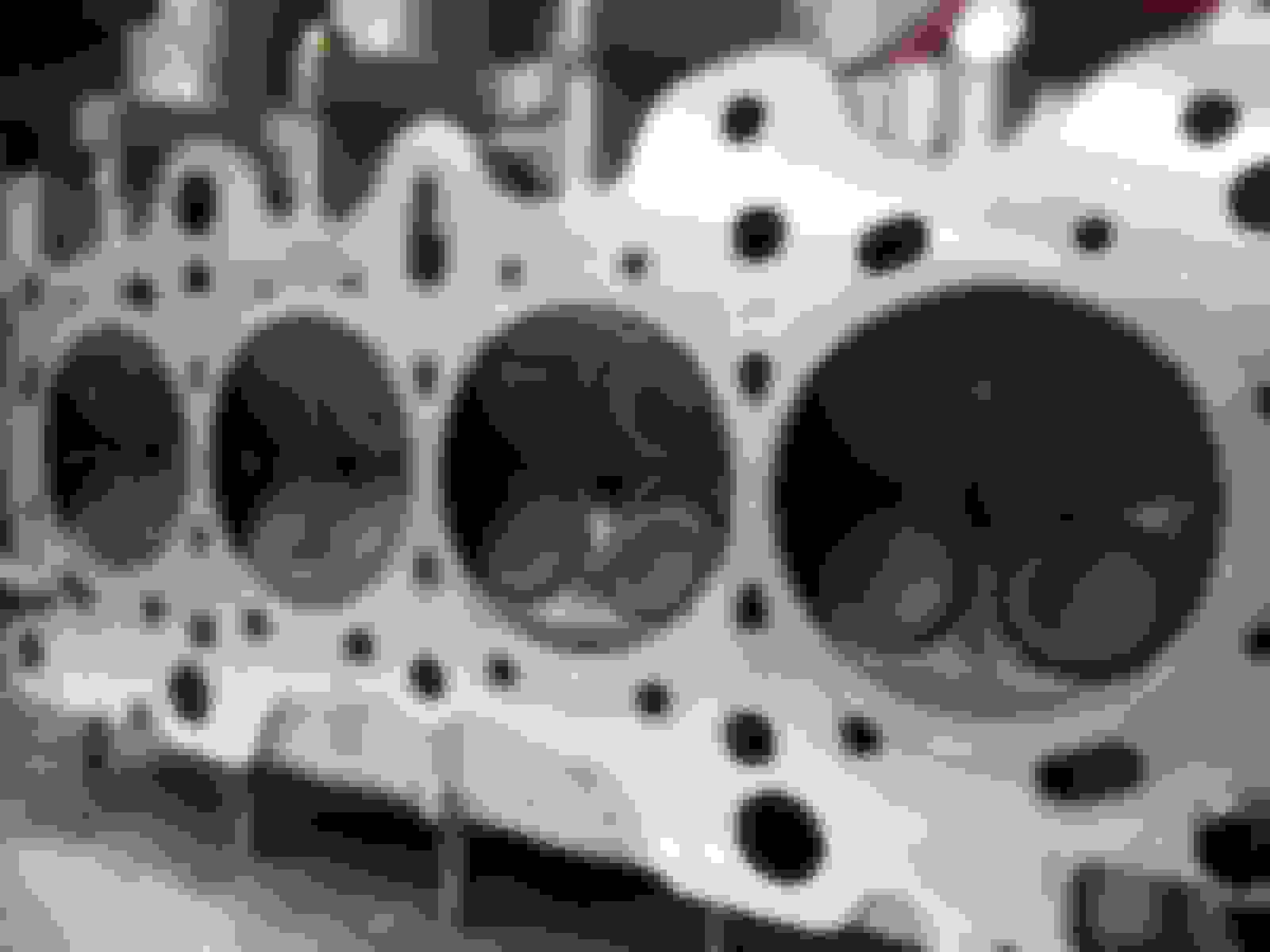
There is no obvious reason to WHY this happened. Nothing has any damage or odd wear, so it makes everything even more confusing. Because I cranked the motor a decent amount before realizing the belt jumped, I did a leak down test. there was not any obvious bent valves that I could see, but it was leaking a little more than I would have liked. Engine was tested cold, which could change percentages too.
So not the head is off and going to get a proper vacuum test next week. I am also going to replace the Lost Motion Assemblies with the newer style pieces since the head was "clicking" more that I would have liked after a proper valve job.
I am planning to replace the timing belt, tensioner, crank gear and go back to OEM cam gears.
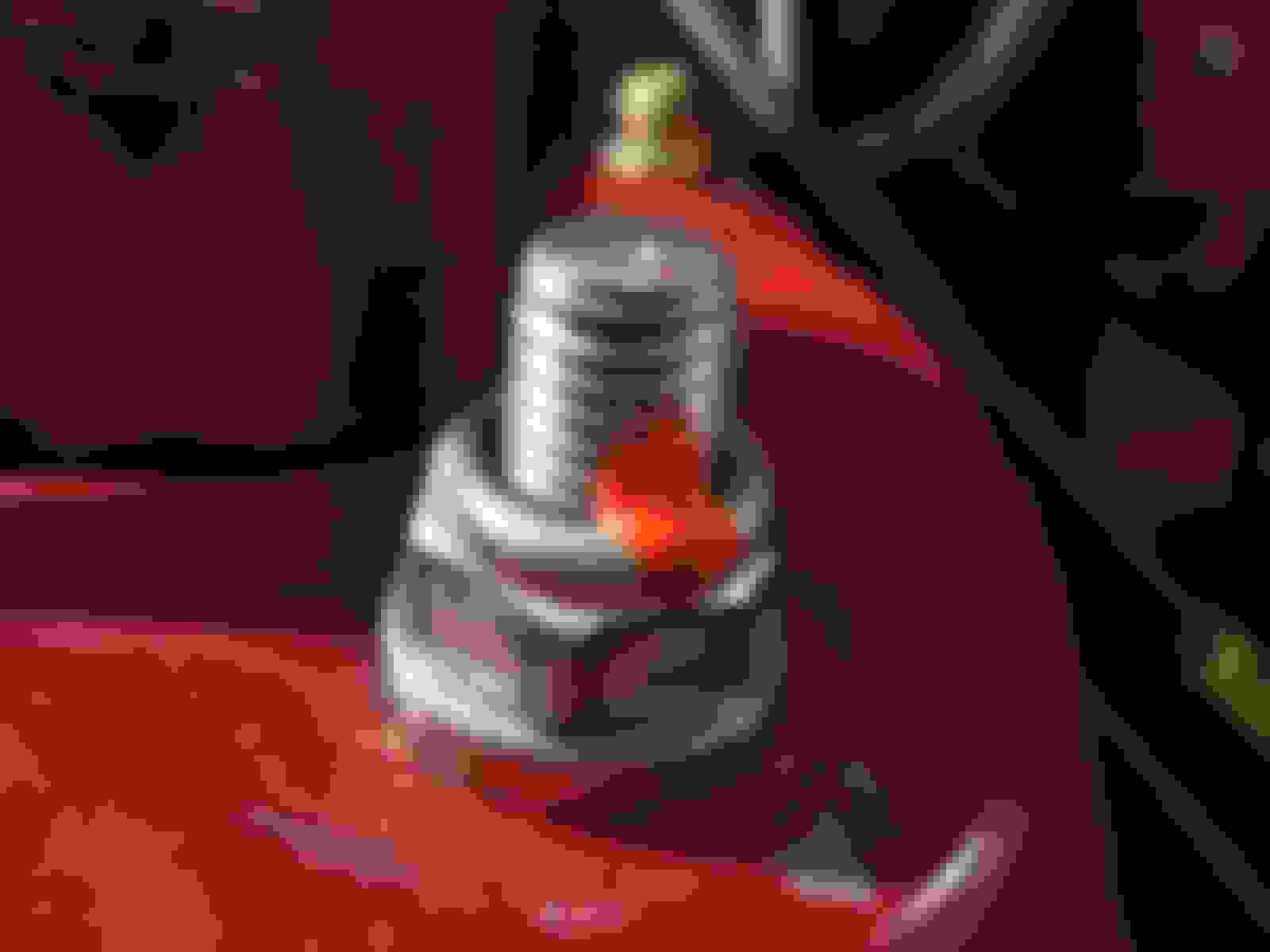
On a more positive note, I found the orange stuff that you put on your nuts/bolts. it dries hard, but is brittle so if anything begins to vibrate loose you can clearly see it happening, similar to a paint pen, but easier to see.
1: How did you measure the load? Was it connected to the chain opposite of the hydraulic jack?
2: What's to keep the links from slipping in that slot? Just the friction of the bolts connecting the arm to the end links?
1. Yep, A chain is connected to the table on the right side. Clamped in the center on the bar, and the jack has a load indicator and end-link. so you raise the jack 1" and see what the load is.
2. Not exactly sure on this one. But I have talked with a few people and slipping is not an issue that I have heard of yet. I suppose having proper hardware and making sure it's tight is good enough?
1. Yep, A chain is connected to the table on the right side. Clamped in the center on the bar, and the jack has a load indicator and end-link. so you raise the jack 1" and see what the load is.
2. Not exactly sure on this one. But I have talked with a few people and slipping is not an issue that I have heard of yet. I suppose having proper hardware and making sure it's tight is good enough?
I suppose if the force is more in Z (vertically) than in X (axially like along the car's longitudinal center line), they should stay in place... I suppose.
Car is **** mang. Fingers crossed for no damage to the head.
You just need to get that comp license. Once you race, that OCD will be real to get the car ready to race more!
Im slowly getting there as well with my car. Going through a tire wall (opps) kinda pushed me toward not caring more
Originally Posted by Reyes
On a more positive note, I found the orange stuff that you put on your nuts/bolts. it dries hard, but is brittle so if anything begins to vibrate loose you can clearly see it happening, similar to a paint pen, but easier to see.
Whats the name of this stuff and where did you find it?
A fellow Honda-Tech'r was kind enough to send me out some new oil pan gaskets that have a steel liner and load limiters at each hole to avoid the gasket being "pushed out" like they are known to do. I haven't put one on yet, but you can tell it's going to be better than the OE gasket.
Who are these from? I wouldn't mind ordering some if they're available.
Im slowly getting there as well with my car. Going through a tire wall (opps) kinda pushed me toward not caring more
Whats the name of this stuff and where did you find it?
Sorry for the late reply! I haven't been on here lately.
It's been awhile, so lets get some updates going! Since there was never any clear reason as to why the timing jumped. I pretty much had to tear everything down, inspect and re-assemble.
Things being replaced.
Oil pump
Crank Gear
Lost Motion Assemblies
Cam seals
Head Gasket etc.
New Parts.
A few years back I started putting a mesh cover on the outside of the oil pickup to further reduce the chances of anything getting stuck inside the pick up.
I also picked up this "cam gear holder to make setting up the timing a little easier. Works great!!
While the head was off of the car, I also redid the power steering vented setup. This is vented to allow the fluid to move through the rack while the wheel is turning, instead of trapping fluid and air inside the rack by "looping" it.



 Re: From HPDE to Endurance/Wheel to Wheel build