


snow tires


Thread Starter
Joined: Jul 2005
Posts: 249
Likes: 0
From: New Fairfield, Connecticut, USA
 snow tires
living in New England sux in the winter for my teg!(snow and salt)
but before long, i'm going to have to take off my rims and throw the old stock wheels on. Can someone recomend some good snow tires out there that arent too expensive. Thanks
but before long, i'm going to have to take off my rims and throw the old stock wheels on. Can someone recomend some good snow tires out there that arent too expensive. Thanks

H-T Order of Merit
Joined: Jan 2000
Posts: 23,478
Likes: 2
From: Chicago
Re: snow tires (Liquid Ice NF)
<TABLE WIDTH="90%" CELLSPACING=0 CELLPADDING=0 ALIGN=CENTER><TR><TD>Quote, originally posted by Liquid Ice NF »</TD></TR><TR><TD CLASS="quote">living in New England sux in the winter for my teg!(snow and salt)
but before long, i'm going to have to take off my rims and throw the old stock wheels on. Can someone recomend some good snow tires out there that arent too expensive. Thanks</TD></TR></TABLE>
Good idea!
I assume your stock wheels came with 195/60-14 tires. So you will want to get winter tires that are either 195/60-14, or 185/65-14 (which is 1.1 percent larger in outer diameter than stock, which is okay - and remember, with winter tires, narrower is better, anyway). Either size will work just fine. (I'm using 185/65-14 Blizzak tires on my '94 GS-R.)
Incidentally, it's just slightly too early to order winter tires. The tire dealers are just starting to get shipments now. By mid September to mid October, they will have much more selection, and won't start running short like they do by mid to late November.
There are a lot of excellent winter tires on the market. They tend to break down into two groups:
a) tires that have the very best traction on snow and ice, but have so-so ride and handling on days when it's not so cold; examples include the Bridgestone Blizzak WS-50, Dunlop Graspic DS-2, and Michelin X-Ice. (The Tire Rack calls these tires "studless ice and snow tires".)
b) tires that have good traction on snow and ice and in cold, although not quite as good as the previous group, but they also have very good ride and handling characteristics on days when it's not so cold; examples include the Bridgestone Blizzak LM-22, Dunlop Winter Sport M3, and the Michelin Pilot Alpin PA2. (The Tire Rack calls these tires "performance winter tires".)
The choice between these two categories depends on the climate in your area, how much highway driving you do in the winter, how much you care about ultimate snow/ice grip versus ride comfort, whether you have another vehicle to use in the worst of winter, etc. Oh, and the tires in category (a) are usually significantly less expensive than category (b), which may be important. For example, I want the best snow/ice traction and I don't mind sacrificing some ride comfort and handling for those three months a year (mid-December to mid-March around here), and winter weather here in Chicago can be fairly nasty, so I have category (a) tires. Given that your weather is pretty severe, and you're not wanting to spend more than you have to, it sounds like category (a) suits you, too. But I'll also mention category (b) tires, in case others here are interested.
Here are Tire Rack prices per tire for sizes for your '94 Integra LS:
<u>Category (a) - Best Snow/Cold Performance</u>
Bridgestone Blizzak WS-50 $73 (195/60QR14), $75 (185/65QR14)
Dunlop Graspic DS-2 $57 (185/65QR14)
Michelin X-Ice $72 (195/60QR14), $75 (185/65QR14)
<u>Category (b) - Best Ride/Handling in Moderate Temps</u>
Bridgestone Blizzak LM-22 (not available in either size)
Dunlop Winter Sport M3 $70 (185/65TR14)
Michelin Pilot Alpin PA2 (not available in either size)
The above prices are from the Tire Rack.
but before long, i'm going to have to take off my rims and throw the old stock wheels on. Can someone recomend some good snow tires out there that arent too expensive. Thanks</TD></TR></TABLE>
Good idea!
I assume your stock wheels came with 195/60-14 tires. So you will want to get winter tires that are either 195/60-14, or 185/65-14 (which is 1.1 percent larger in outer diameter than stock, which is okay - and remember, with winter tires, narrower is better, anyway). Either size will work just fine. (I'm using 185/65-14 Blizzak tires on my '94 GS-R.)
Incidentally, it's just slightly too early to order winter tires. The tire dealers are just starting to get shipments now. By mid September to mid October, they will have much more selection, and won't start running short like they do by mid to late November.
There are a lot of excellent winter tires on the market. They tend to break down into two groups:
a) tires that have the very best traction on snow and ice, but have so-so ride and handling on days when it's not so cold; examples include the Bridgestone Blizzak WS-50, Dunlop Graspic DS-2, and Michelin X-Ice. (The Tire Rack calls these tires "studless ice and snow tires".)
b) tires that have good traction on snow and ice and in cold, although not quite as good as the previous group, but they also have very good ride and handling characteristics on days when it's not so cold; examples include the Bridgestone Blizzak LM-22, Dunlop Winter Sport M3, and the Michelin Pilot Alpin PA2. (The Tire Rack calls these tires "performance winter tires".)
The choice between these two categories depends on the climate in your area, how much highway driving you do in the winter, how much you care about ultimate snow/ice grip versus ride comfort, whether you have another vehicle to use in the worst of winter, etc. Oh, and the tires in category (a) are usually significantly less expensive than category (b), which may be important. For example, I want the best snow/ice traction and I don't mind sacrificing some ride comfort and handling for those three months a year (mid-December to mid-March around here), and winter weather here in Chicago can be fairly nasty, so I have category (a) tires. Given that your weather is pretty severe, and you're not wanting to spend more than you have to, it sounds like category (a) suits you, too. But I'll also mention category (b) tires, in case others here are interested.
Here are Tire Rack prices per tire for sizes for your '94 Integra LS:
<u>Category (a) - Best Snow/Cold Performance</u>
Bridgestone Blizzak WS-50 $73 (195/60QR14), $75 (185/65QR14)
Dunlop Graspic DS-2 $57 (185/65QR14)
Michelin X-Ice $72 (195/60QR14), $75 (185/65QR14)
<u>Category (b) - Best Ride/Handling in Moderate Temps</u>
Bridgestone Blizzak LM-22 (not available in either size)
Dunlop Winter Sport M3 $70 (185/65TR14)
Michelin Pilot Alpin PA2 (not available in either size)
The above prices are from the Tire Rack.

Joined: Apr 2005
Posts: 125
Likes: 0
From: Akron, OH, USA
Re: snow tires (Liquid Ice NF)
I have the Dunlop Graspic's in that size on my 2000 Civic Si, and I'm very happy with them.
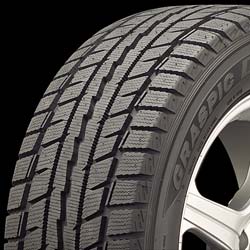
My 2 buddies have the Dunlop Winter Sport M3's on their WRX's, and they absolutely love them!! They claim handling in the dry to be better than their OE Bridgestone RE92's, and they can't believe their traction in the wet/snow.

It just depends on what kind of tire you want. The Graspic DS-2 will not be as aggressive as far as max-handling goes. I know for me personally, I have to deal with snow but most days are just cold and wet...so I will be buying some M3's for the winter. I feel they suit my purposes and are worth the extra $$
Let me know if you have any questions!

Matt
EDIT - btw, hell of an explanation about snow tires Ken!!
My 2 buddies have the Dunlop Winter Sport M3's on their WRX's, and they absolutely love them!! They claim handling in the dry to be better than their OE Bridgestone RE92's, and they can't believe their traction in the wet/snow.
It just depends on what kind of tire you want. The Graspic DS-2 will not be as aggressive as far as max-handling goes. I know for me personally, I have to deal with snow but most days are just cold and wet...so I will be buying some M3's for the winter. I feel they suit my purposes and are worth the extra $$
Let me know if you have any questions!
Matt
EDIT - btw, hell of an explanation about snow tires Ken!!
Thread Starter
Joined: Jul 2005
Posts: 249
Likes: 0
From: New Fairfield, Connecticut, USA
wow, that was very helpful!! it tends to get wet and slushy here too, but that is usually after we get the snow/ice. i think i'll go with catagory A tires, cuz it wont hurt, and i'm not too concerned about how smooth it rides. Plus they are cheaper. Thanks again

Honda-Tech Member
Joined: Jul 2005
Posts: 2,641
Likes: 2
From: ottawa,, top of the map
Re: (Liquid Ice NF)
<TABLE WIDTH="90%" CELLSPACING=0 CELLPADDING=0 ALIGN=CENTER><TR><TD>Quote, originally posted by Liquid Ice NF »</TD></TR><TR><TD CLASS="quote">wow, that was very helpful!! it tends to get wet and slushy here too, but that is usually after we get the snow/ice. i think i'll go with catagory A tires, cuz it wont hurt, and i'm not too concerned about how smooth it rides. Plus they are cheaper. Thanks again</TD></TR></TABLE>
If money is a little tight you could always look at used tires. I know that sounds bad but where I come from the classifieds in the newpaper are littered with snow tires for sell, especially for hondas. When someone trades in their car at a dealership they don't get anymore money for giving in their set of winters so they keep them and sell them used. You can usually find tires with 80% tread or just one season on them for cheap cheap already mounted and balanced on rims.
just a thought.
If money is a little tight you could always look at used tires. I know that sounds bad but where I come from the classifieds in the newpaper are littered with snow tires for sell, especially for hondas. When someone trades in their car at a dealership they don't get anymore money for giving in their set of winters so they keep them and sell them used. You can usually find tires with 80% tread or just one season on them for cheap cheap already mounted and balanced on rims.
just a thought.
H-T Order of Merit
Joined: Jan 2000
Posts: 23,478
Likes: 2
From: Chicago
Re: (old man neri)
<TABLE WIDTH="90%" CELLSPACING=0 CELLPADDING=0 ALIGN=CENTER><TR><TD>Quote, originally posted by old man neri »</TD></TR><TR><TD CLASS="quote">If money is a little tight you could always look at used tires.</TD></TR></TABLE>
If you can find used winter tires with a lot of tread, and/or if you can find a set of used rims that way, go for it! But beware, that bolded qualifier is very important; winter tires are not like other tires.
While a lot of folks might wear summer tires down to 2/32" (where the wear indicator bars become flat across the tread), you really wouldn't want to wear them down anywhere near that point with winter tires. Winter tires generally come with 12/32" or 13/32" tread depth when new (vs 9/32" or 10/32" for most summer tires), and you would probably want to replace them by the time they get down to about half of that.
Furthermore, some winter tires have a different compound on the outer part of the tread than the inner part. For example, the first 55% of the Blizzak WS-50 tread depth features a "Tube Multicell Compound" (it's like a sponge, and soaks up moisture created when you're trying to get traction on ice) while the remaining 45% features a standard winter tire compound. So if you find a set used that is worn down by 55 percent, you won't be able to take advantage of this technology.
So if someone's trying to sell you a set of used winter tires, and they only have, say, 7/32" of tread, I would pass; it may look like it's decent, but it's not.
If you can find used winter tires with a lot of tread, and/or if you can find a set of used rims that way, go for it! But beware, that bolded qualifier is very important; winter tires are not like other tires.
While a lot of folks might wear summer tires down to 2/32" (where the wear indicator bars become flat across the tread), you really wouldn't want to wear them down anywhere near that point with winter tires. Winter tires generally come with 12/32" or 13/32" tread depth when new (vs 9/32" or 10/32" for most summer tires), and you would probably want to replace them by the time they get down to about half of that.
Furthermore, some winter tires have a different compound on the outer part of the tread than the inner part. For example, the first 55% of the Blizzak WS-50 tread depth features a "Tube Multicell Compound" (it's like a sponge, and soaks up moisture created when you're trying to get traction on ice) while the remaining 45% features a standard winter tire compound. So if you find a set used that is worn down by 55 percent, you won't be able to take advantage of this technology.
So if someone's trying to sell you a set of used winter tires, and they only have, say, 7/32" of tread, I would pass; it may look like it's decent, but it's not.
Honda-Tech Member
Joined: Jul 2005
Posts: 2,641
Likes: 2
From: ottawa,, top of the map
Re: (nsxtasy)
<TABLE WIDTH="90%" CELLSPACING=0 CELLPADDING=0 ALIGN=CENTER><TR><TD>Quote, originally posted by nsxtasy »</TD></TR><TR><TD CLASS="quote">
If you can find used winter tires with a lot of tread, and/or if you can find a set of used rims that way, go for it! But beware, that bolded qualifier is very important; winter tires are not like other tires.
While a lot of folks might wear summer tires down to 2/32" (where the wear indicator bars become flat across the tread), you really wouldn't want to wear them down anywhere near that point with winter tires. Winter tires generally come with 12/32" or 13/32" tread depth when new (vs 9/32" or 10/32" for most summer tires), and you would probably want to replace them by the time they get down to about half of that.
Furthermore, some winter tires have a different compound on the outer part of the tread than the inner part. For example, the first 55% of the Blizzak WS-50 tread depth features a "Tube Multicell Compound" (it's like a sponge, and soaks up moisture created when you're trying to get traction on ice) while the remaining 45% features a standard winter tire compound. So if you find a set used that is worn down by 55 percent, you won't be able to take advantage of this technology.
So if someone's trying to sell you a set of used winter tires, and they only have, say, 7/32" of tread, I would pass; it may look like it's decent, but it's not.
</TD></TR></TABLE>
good points.
If you can find used winter tires with a lot of tread, and/or if you can find a set of used rims that way, go for it! But beware, that bolded qualifier is very important; winter tires are not like other tires.
While a lot of folks might wear summer tires down to 2/32" (where the wear indicator bars become flat across the tread), you really wouldn't want to wear them down anywhere near that point with winter tires. Winter tires generally come with 12/32" or 13/32" tread depth when new (vs 9/32" or 10/32" for most summer tires), and you would probably want to replace them by the time they get down to about half of that.
Furthermore, some winter tires have a different compound on the outer part of the tread than the inner part. For example, the first 55% of the Blizzak WS-50 tread depth features a "Tube Multicell Compound" (it's like a sponge, and soaks up moisture created when you're trying to get traction on ice) while the remaining 45% features a standard winter tire compound. So if you find a set used that is worn down by 55 percent, you won't be able to take advantage of this technology.
So if someone's trying to sell you a set of used winter tires, and they only have, say, 7/32" of tread, I would pass; it may look like it's decent, but it's not.
</TD></TR></TABLE>
good points.
Trending Topics
Joined: Apr 2005
Posts: 125
Likes: 0
From: Akron, OH, USA
Re: (nsxtasy)
<TABLE WIDTH="90%" CELLSPACING=0 CELLPADDING=0 ALIGN=CENTER><TR><TD>Quote, originally posted by nsxtasy »</TD></TR><TR><TD CLASS="quote">
Furthermore, some winter tires have a different compound on the outer part of the tread than the inner part. For example, the first 55% of the Blizzak WS-50 tread depth features a "Tube Multicell Compound" (it's like a sponge, and soaks up moisture created when you're trying to get traction on ice) while the remaining 45% features a standard winter tire compound. So if you find a set used that is worn down by 55 percent, you won't be able to take advantage of this technology.
So if someone's trying to sell you a set of used winter tires, and they only have, say, 7/32" of tread, I would pass; it may look like it's decent, but it's not.
</TD></TR></TABLE>
I agree - good advice.
Most, if not all, tires that feature a special tread compound for a portion of the tread depth have special wear indicators to note that your tire has been worn down past the premium snow/ice compound, but is not all the way down to 2/32" just yet.
So if you're buying used tires, treat the tires as if the "snow/ice" compound wear indicators are the end of the tire's useful life.
Matt
Furthermore, some winter tires have a different compound on the outer part of the tread than the inner part. For example, the first 55% of the Blizzak WS-50 tread depth features a "Tube Multicell Compound" (it's like a sponge, and soaks up moisture created when you're trying to get traction on ice) while the remaining 45% features a standard winter tire compound. So if you find a set used that is worn down by 55 percent, you won't be able to take advantage of this technology.
So if someone's trying to sell you a set of used winter tires, and they only have, say, 7/32" of tread, I would pass; it may look like it's decent, but it's not.
</TD></TR></TABLE>
I agree - good advice.
Most, if not all, tires that feature a special tread compound for a portion of the tread depth have special wear indicators to note that your tire has been worn down past the premium snow/ice compound, but is not all the way down to 2/32" just yet.
So if you're buying used tires, treat the tires as if the "snow/ice" compound wear indicators are the end of the tire's useful life.
Matt

Honda-Tech Member
Joined: Jul 2005
Posts: 2,041
Likes: 1
Re: snow tires (nsxtasy)
Wow thanks for this great info. I was about to start looking for some winter tires for my steelies (185/65-14) and this info will help alot. Category A will suit me fine as in the winter I just want to be able to get around in the cold and posibly snowy/slushy weather and dont care about ride comfort/performance in the winter.
I was wondering if some of you would be able to comment on the lifespan of some of these particular tires (as well as winter tires in general). This is my one concern that I do not want to be buying winter tires every winter or something and was wondering if on my low budget it might be better off to get some All-Seasons to lessen the finacial blow by increasing tire life. Any comments appreciated.
I was wondering if some of you would be able to comment on the lifespan of some of these particular tires (as well as winter tires in general). This is my one concern that I do not want to be buying winter tires every winter or something and was wondering if on my low budget it might be better off to get some All-Seasons to lessen the finacial blow by increasing tire life. Any comments appreciated.
H-T Order of Merit
Joined: Jan 2000
Posts: 23,478
Likes: 2
From: Chicago
Re: snow tires (Slow EJ8)
<TABLE WIDTH="90%" CELLSPACING=0 CELLPADDING=0 ALIGN=CENTER><TR><TD>Quote, originally posted by Slow EJ8 »</TD></TR><TR><TD CLASS="quote">I was wondering if some of you would be able to comment on the lifespan of some of these particular tires (as well as winter tires in general). This is my one concern that I do not want to be buying winter tires every winter or something and was wondering if on my low budget it might be better off to get some All-Seasons to lessen the finacial blow by increasing tire life. Any comments appreciated. </TD></TR></TABLE>
As you may have noticed, winter tires don't show a treadwear rating the way most other tires do.
To answer your question... I don't really know how long they last, because I've never worn out a set of winter tires. Here in Chicago, I usually put my winter tires on around the second week in December, and take them off the second or third week in March. So they're on for three months a year. I typically don't do that much driving in winter (no long car trips), so I'm only putting on anywhere from 1K to 3K miles per winter. I bought the Blizzaks for the GS-R maybe 8-10 years ago, and they're still going fine. I can only guess at how many miles I have on them, maybe 15K?
I can't imagine going through a set of winter tires in a season. People who put a lot of miles on their cars drive maybe 2K miles per month, and that would only be about 6K miles per year on the winter tires, so even with a lot of driving like that, they ought to last what, 3-5 years? So I don't think you have to worry about having to replace the winter tires for a long, long time - for most folks, a single set will probably last the entire time they own the car. Which means that concerns over treadlife aren't a reason to avoid winter tires.
But you ask a good question - whether to get true winter tires, or all-season tires. And that really depends on a whole lot of things. If you have another vehicle (like an SUV) to use if the weather gets really bad, or if you can avoid driving anywhere when the weather gets really bad, then you can probably get by with all-season tires. If you are looking for a single tire to use all year round, for whatever reasons, then get all-season tires. But if you HAVE to get somewhere even when there's snow and ice on the pavement, then you really need to get a separate set of winter tires, unless you live in a moderate climate where that is rare. Philly experiences winter - not quite as bad as here, but it snows and it can get cold. (Remember, winter tires grip better when it's very cold out, even if the pavement is dry.)
Hope that helps you decide...
</TD></TR></TABLE>As you may have noticed, winter tires don't show a treadwear rating the way most other tires do.
To answer your question... I don't really know how long they last, because I've never worn out a set of winter tires. Here in Chicago, I usually put my winter tires on around the second week in December, and take them off the second or third week in March. So they're on for three months a year. I typically don't do that much driving in winter (no long car trips), so I'm only putting on anywhere from 1K to 3K miles per winter. I bought the Blizzaks for the GS-R maybe 8-10 years ago, and they're still going fine. I can only guess at how many miles I have on them, maybe 15K?
I can't imagine going through a set of winter tires in a season. People who put a lot of miles on their cars drive maybe 2K miles per month, and that would only be about 6K miles per year on the winter tires, so even with a lot of driving like that, they ought to last what, 3-5 years? So I don't think you have to worry about having to replace the winter tires for a long, long time - for most folks, a single set will probably last the entire time they own the car. Which means that concerns over treadlife aren't a reason to avoid winter tires.
But you ask a good question - whether to get true winter tires, or all-season tires. And that really depends on a whole lot of things. If you have another vehicle (like an SUV) to use if the weather gets really bad, or if you can avoid driving anywhere when the weather gets really bad, then you can probably get by with all-season tires. If you are looking for a single tire to use all year round, for whatever reasons, then get all-season tires. But if you HAVE to get somewhere even when there's snow and ice on the pavement, then you really need to get a separate set of winter tires, unless you live in a moderate climate where that is rare. Philly experiences winter - not quite as bad as here, but it snows and it can get cold. (Remember, winter tires grip better when it's very cold out, even if the pavement is dry.)
Hope that helps you decide...
Joined: Apr 2005
Posts: 125
Likes: 0
From: Akron, OH, USA
Re: snow tires (Slow EJ8)
<TABLE WIDTH="90%" CELLSPACING=0 CELLPADDING=0 ALIGN=CENTER><TR><TD>Quote, originally posted by Slow EJ8 »</TD></TR><TR><TD CLASS="quote">I was wondering if some of you would be able to comment on the lifespan of some of these particular tires (as well as winter tires in general). This is my one concern that I do not want to be buying winter tires every winter or something and was wondering if on my low budget it might be better off to get some All-Seasons to lessen the finacial blow by increasing tire life. Any comments appreciated. </TD></TR></TABLE>
I've got 3 seasons on my Dunlop Graspic winter tires, and they've got between 7/32" & 8/32" left on them. I would guess that I've driven around 25k (8k per winter?) in total.
I agree with Ken, one set of winter tires could last as long as the car if you only keep it 4 or 5 years.
Matt
</TD></TR></TABLE>I've got 3 seasons on my Dunlop Graspic winter tires, and they've got between 7/32" & 8/32" left on them. I would guess that I've driven around 25k (8k per winter?) in total.
I agree with Ken, one set of winter tires could last as long as the car if you only keep it 4 or 5 years.
Matt
H-T Order of Merit
Joined: Jan 2000
Posts: 23,478
Likes: 2
From: Chicago
Re: snow tires (Neo79Si)
<TABLE WIDTH="90%" CELLSPACING=0 CELLPADDING=0 ALIGN=CENTER><TR><TD>Quote, originally posted by Neo79Si »</TD></TR><TR><TD CLASS="quote">I've got 3 seasons on my Dunlop Graspic winter tires, and they've got between 7/32" & 8/32" left on them. I would guess that I've driven around 25k (8k per winter?) in total.
I agree with Ken, one set of winter tires could last as long as the car if you only keep it 4 or 5 years.</TD></TR></TABLE>
Or if you're not putting 30K miles per year on your car.
You really drive 8K miles per winter? That's a LOT of miles.
I agree with Ken, one set of winter tires could last as long as the car if you only keep it 4 or 5 years.</TD></TR></TABLE>
Or if you're not putting 30K miles per year on your car.
You really drive 8K miles per winter? That's a LOT of miles.
Honda-Tech Member
Joined: Jul 2005
Posts: 2,041
Likes: 1
Re: snow tires (nsxtasy)
Thanks alot nsxtasy. That some great info, this thread could almost be stickied for just this winter time as I am sure many other will have these questions and you have answered pretty much everything about snow tires here.
That does help my desicion in that the snow tires should last a long time. I got my car about a year ago and put about 15,000 miles on it. I was also driving 250 miles a week to work and back and about 100 miles on top of that (I drove like driving was the only thing to do when I got bored). That was for about half the year and then I decided to save some gas and not drive so much. This winter my job will be a little closer to home and I am trying for about 1000 miles at most per month. So all of this yapping of mine is saying I will be going with some nice winter tires as I will need to get to work even in snow and it would be nice to have the comfort to be able to know that I can get around even in bad weather.
It looks like now I am leaning towards the Dunlop Graspic DS-2 in 185/65-14 as they are only $57 each and this will fit the budget and Neo79Si gave them the thimbs up. I suppose most any winter tire will be an imporvement over an All-Season (which I have always driven on in winter).
Thanks again for everyones help
That does help my desicion in that the snow tires should last a long time. I got my car about a year ago and put about 15,000 miles on it. I was also driving 250 miles a week to work and back and about 100 miles on top of that (I drove like driving was the only thing to do when I got bored). That was for about half the year and then I decided to save some gas and not drive so much. This winter my job will be a little closer to home and I am trying for about 1000 miles at most per month. So all of this yapping of mine is saying I will be going with some nice winter tires as I will need to get to work even in snow and it would be nice to have the comfort to be able to know that I can get around even in bad weather.
It looks like now I am leaning towards the Dunlop Graspic DS-2 in 185/65-14 as they are only $57 each and this will fit the budget and Neo79Si gave them the thimbs up. I suppose most any winter tire will be an imporvement over an All-Season (which I have always driven on in winter).
Thanks again for everyones help
Honda-Tech Member
Joined: Jul 2005
Posts: 2,641
Likes: 2
From: ottawa,, top of the map
Re: snow tires (Slow EJ8)
<TABLE WIDTH="90%" CELLSPACING=0 CELLPADDING=0 ALIGN=CENTER><TR><TD>Quote, originally posted by Slow EJ8 »</TD></TR><TR><TD CLASS="quote">I was wondering if some of you would be able to comment on the lifespan of some of these particular tires </TD></TR></TABLE>
Look at it this way, any miles you put on your winters are miles you are saving on your all seasons. I am not to sure if the ratio is 1 to 1 but it should be close.
I am a firm believer that winter tires should be mandatory in northern climates but that is a different argument.
Look at it this way, any miles you put on your winters are miles you are saving on your all seasons. I am not to sure if the ratio is 1 to 1 but it should be close.
I am a firm believer that winter tires should be mandatory in northern climates but that is a different argument.
Joined: Apr 2005
Posts: 125
Likes: 0
From: Akron, OH, USA
Re: snow tires (nsxtasy)
<TABLE WIDTH="90%" CELLSPACING=0 CELLPADDING=0 ALIGN=CENTER><TR><TD>Quote, originally posted by nsxtasy »</TD></TR><TR><TD CLASS="quote">
You really drive 8K miles per winter? That's a LOT of miles.
</TD></TR></TABLE>
haha...I know! I used to drive about 1500mi each month, so 5-ish months of winter (mid november thru mid-april) is between 7 & 8k each season. I wouldn't be able to stand it without winter tires!
Matt
You really drive 8K miles per winter? That's a LOT of miles.
</TD></TR></TABLE>
haha...I know! I used to drive about 1500mi each month, so 5-ish months of winter (mid november thru mid-april) is between 7 & 8k each season. I wouldn't be able to stand it without winter tires!
Matt
H-T Order of Merit
Joined: Jan 2000
Posts: 23,478
Likes: 2
From: Chicago
Re: snow tires (Neo79Si)
<TABLE WIDTH="90%" CELLSPACING=0 CELLPADDING=0 ALIGN=CENTER><TR><TD>Quote, originally posted by Neo79Si »</TD></TR><TR><TD CLASS="quote">5-ish months of winter (mid november thru mid-april) is between 7 & 8k each season. I wouldn't be able to stand it without winter tires!</TD></TR></TABLE>
Wow! Not only is that a lot of miles, but that's a long time to leave the winter tires on.
Here are some statistics to help in making the decision when to swap tires.
<u>Average high/low temperature (degrees F), and average number of inches of snow, by month</u>:
Akron Nov 49/33 - 4
Akron Dec 38/24 - 10
Akron Jan 33/17 - 12
Akron Feb 37/20 - 9
Akron Mar 48/28 - 9
Akron Apr 59/37 - 3
Chicago Nov 47/31 - 2
Chicago Dec 34/20 - 8
Chicago Jan 30/14 - 11
Chicago Feb 34/19 - 8
Chicago Mar 46/29 - 7
Chicago Apr 58/38 - 2
Philly Nov 55/40 - 1
Philly Dec 44/31 - 3
Philly Jan 39/26 - 6
Philly Feb 42/28 - 7
Philly Mar 51/35 - 3
Philly Apr 62/44 - 0
As you can see, Chicago gets slightly less snow than Akron, although temperatures are slightly colder. Philadelphia has a significantly milder winter than either one, and I don't think there's any need to use snow tires in Philly for more than about three months (mid-December to mid-March).
Anyone who's interested in the corresponding climate figures for his own city can find them here.
Obviously, it's anyone's personal call about when they feel comfortable swapping tires... but as long as you have a jack and your tires are located conveniently (e.g. in your garage), you can change them whenever you feel it's right, which means you can wait until it's really frigid or you get a good-sized snow (which generally doesn't happen here until early to mid December). Even if you swap your winter tires off in March, when temperatures moderate, you can always change back in the unlikely event that there's a freak April blizzard.
Wow! Not only is that a lot of miles, but that's a long time to leave the winter tires on.
Here are some statistics to help in making the decision when to swap tires.
<u>Average high/low temperature (degrees F), and average number of inches of snow, by month</u>:
Akron Nov 49/33 - 4
Akron Dec 38/24 - 10
Akron Jan 33/17 - 12
Akron Feb 37/20 - 9
Akron Mar 48/28 - 9
Akron Apr 59/37 - 3
Chicago Nov 47/31 - 2
Chicago Dec 34/20 - 8
Chicago Jan 30/14 - 11
Chicago Feb 34/19 - 8
Chicago Mar 46/29 - 7
Chicago Apr 58/38 - 2
Philly Nov 55/40 - 1
Philly Dec 44/31 - 3
Philly Jan 39/26 - 6
Philly Feb 42/28 - 7
Philly Mar 51/35 - 3
Philly Apr 62/44 - 0
As you can see, Chicago gets slightly less snow than Akron, although temperatures are slightly colder. Philadelphia has a significantly milder winter than either one, and I don't think there's any need to use snow tires in Philly for more than about three months (mid-December to mid-March).
Anyone who's interested in the corresponding climate figures for his own city can find them here.
Obviously, it's anyone's personal call about when they feel comfortable swapping tires... but as long as you have a jack and your tires are located conveniently (e.g. in your garage), you can change them whenever you feel it's right, which means you can wait until it's really frigid or you get a good-sized snow (which generally doesn't happen here until early to mid December). Even if you swap your winter tires off in March, when temperatures moderate, you can always change back in the unlikely event that there's a freak April blizzard.
Honda-Tech Member
Joined: Jul 2005
Posts: 2,041
Likes: 1
Re: snow tires (nsxtasy)
<TABLE WIDTH="90%" CELLSPACING=0 CELLPADDING=0 ALIGN=CENTER><TR><TD>Quote, originally posted by nsxtasy »</TD></TR><TR><TD CLASS="quote">
Here are some statistics to help in making the decision when to swap tires.....
Obviously, it's anyone's personal call about when they feel comfortable swapping tires... but as long as you have a jack and your tires are located conveniently (e.g. in your garage), you can change them whenever you feel it's right, which means you can wait until it's really frigid or you get a good-sized snow (which generally doesn't happen here until early to mid December). Even if you swap your winter tires off in March, when temperatures moderate, you can always change back in the unlikely event that there's a freak April blizzard.</TD></TR></TABLE>
Nice info, last winter here wasnt too bad in terms of snow but it did get pretty cold. I never know what to expect around here but you are right about the chances of snow being only about 3 months. It can get really cold and nasty as well making those 3 months feel alot longer
Whenever it snowed last year I got really nervous, I mean I did have the crappy all-seasons the car came with and they had about 3/32 left, but still I didnt like driving in the snow. I didnt if I could avoid it but I think it would be nice, and worth the money, to get snow tires. It would be nice to enjoy driving in some light/moderate snow and knowing my car can handle it.
I will probably order mine in Sept or Oct and have them mounted and balanced and ready for use by late Nov or early Dec just in case. First thought of snow and they go on until about mid Feb. That should work for me as well as help the tires to last quite a few winters. Thanks again for all the help.
Here are some statistics to help in making the decision when to swap tires.....
Obviously, it's anyone's personal call about when they feel comfortable swapping tires... but as long as you have a jack and your tires are located conveniently (e.g. in your garage), you can change them whenever you feel it's right, which means you can wait until it's really frigid or you get a good-sized snow (which generally doesn't happen here until early to mid December). Even if you swap your winter tires off in March, when temperatures moderate, you can always change back in the unlikely event that there's a freak April blizzard.</TD></TR></TABLE>
Nice info, last winter here wasnt too bad in terms of snow but it did get pretty cold. I never know what to expect around here but you are right about the chances of snow being only about 3 months. It can get really cold and nasty as well making those 3 months feel alot longer
Whenever it snowed last year I got really nervous, I mean I did have the crappy all-seasons the car came with and they had about 3/32 left, but still I didnt like driving in the snow. I didnt if I could avoid it but I think it would be nice, and worth the money, to get snow tires. It would be nice to enjoy driving in some light/moderate snow and knowing my car can handle it.
I will probably order mine in Sept or Oct and have them mounted and balanced and ready for use by late Nov or early Dec just in case. First thought of snow and they go on until about mid Feb. That should work for me as well as help the tires to last quite a few winters. Thanks again for all the help.

Thread
Thread Starter
Forum
Replies
Last Post