


My Compression Test Results, Your Opinions...


Thread Starter
Honda-Tech Member
Joined: Jan 2002
Posts: 1,941
Likes: 0
From: DF Dub, TX, USA
 My Compression Test Results, Your Opinions...
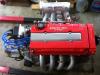
Yesterday I did a compression test on my LS/VTEC w/ USDM ITR pistons... The set-up is as follows:
B18A w/ USDM ITR Pistons; GSR Water/Oil Pump
GSR Head that's been milled... (Not sure how much though)
The #'s from Cylinder 4 to 1
#4-275
#3-275
#2-275
#1-245
Cylinder #1 would've pulled more compression had I continued to crank it, but it made 245 on the same amount of cranks as the other three made 275... What do you think...? Opinions welcome...
B18A w/ USDM ITR Pistons; GSR Water/Oil Pump
GSR Head that's been milled... (Not sure how much though)
The #'s from Cylinder 4 to 1
#4-275
#3-275
#2-275
#1-245
Cylinder #1 would've pulled more compression had I continued to crank it, but it made 245 on the same amount of cranks as the other three made 275... What do you think...? Opinions welcome...
Honda-Tech Member

Joined: Apr 2003
Posts: 6,919
Likes: 5
From: In the garage
Re: My Compression Test Results, Your Opinions... (4U2NV)
<TABLE WIDTH="90%" CELLSPACING=0 CELLPADDING=0 ALIGN=CENTER><TR><TD>Quote, originally posted by 4U2NV »</TD></TR><TR><TD CLASS="quote">Yesterday I did a compression test on my LS/VTEC w/ USDM ITR pistons... The set-up is as follows:
B18A w/ USDM ITR Pistons; GSR Water/Oil Pump
GSR Head that's been milled... (Not sure how much though)
The #'s from Cylinder 4 to 1
#4-275
#3-275
#2-275
#1-245
Cylinder #1 would've pulled more compression had I continued to crank it, but it made 245 on the same amount of cranks as the other three made 275... What do you think...? Opinions welcome... </TD></TR></TABLE>
Did you do this test with the injectors disconnected and the throttle completely open? I like to do it with the injectors disconnected so I have no liquid aiding in sealing the rings. I don't know if its enough to really matter, but it makes me feel better and plus it keeps the engine from firing. Anyways, If you are confident on how you did the tests then I would put a capfull of oil in the #1 cylinder and run the test again. This will show you where the leakage is. You always want equal number of cranks for each cylinder.
B18A w/ USDM ITR Pistons; GSR Water/Oil Pump
GSR Head that's been milled... (Not sure how much though)
The #'s from Cylinder 4 to 1
#4-275
#3-275
#2-275
#1-245
Cylinder #1 would've pulled more compression had I continued to crank it, but it made 245 on the same amount of cranks as the other three made 275... What do you think...? Opinions welcome...
</TD></TR></TABLE>Did you do this test with the injectors disconnected and the throttle completely open? I like to do it with the injectors disconnected so I have no liquid aiding in sealing the rings. I don't know if its enough to really matter, but it makes me feel better and plus it keeps the engine from firing. Anyways, If you are confident on how you did the tests then I would put a capfull of oil in the #1 cylinder and run the test again. This will show you where the leakage is. You always want equal number of cranks for each cylinder.

Honda-Tech Member
iTrader: (2)
Joined: Mar 2002
Posts: 5,828
Likes: 1
From: Woodbridge, NJ, Middlesex
Re: My Compression Test Results, Your Opinions... (Hybrid93Eg)
yeah, you prolly had fuel loaded in the other 3 cylinders and since #1 was tested first ...
do what he siad unplug injectors then retest 4 times at least ... if consistenly off then leak it and see if exh valves, int valves, breather for pressure, etc.
the pour oil process is not too useful cause it bumps compression from oil taking up space, do leakdown.
greg
do what he siad unplug injectors then retest 4 times at least ... if consistenly off then leak it and see if exh valves, int valves, breather for pressure, etc.
the pour oil process is not too useful cause it bumps compression from oil taking up space, do leakdown.
greg
Honda-Tech Member
Joined: Apr 2003
Posts: 6,919
Likes: 5
From: In the garage
Re: My Compression Test Results, Your Opinions... (CHEETAH)
<TABLE WIDTH="90%" CELLSPACING=0 CELLPADDING=0 ALIGN=CENTER><TR><TD>Quote, originally posted by CHEETAH »</TD></TR><TR><TD CLASS="quote">yeah, you prolly had fuel loaded in the other 3 cylinders and since #1 was tested first ...
do what he siad unplug injectors then retest 4 times at least ... if consistenly off then leak it and see if exh valves, int valves, breather for pressure, etc.
the pour oil process is not too useful cause it bumps compression from oil taking up space, do leakdown.
greg</TD></TR></TABLE>
I wouldn't say its not usefull. The whole point is for it to seal the rings. If compression numbers go WAY up when you add the oil, you know for sure the leak is in the rings. If not, then you suspect valves and proceed to a leakdown test. Most people don't have a leakdown tester sitting in their garage, so the oil method is a quick and dirty way of verifying if you even need to do a leakdown or not.
do what he siad unplug injectors then retest 4 times at least ... if consistenly off then leak it and see if exh valves, int valves, breather for pressure, etc.
the pour oil process is not too useful cause it bumps compression from oil taking up space, do leakdown.
greg</TD></TR></TABLE>
I wouldn't say its not usefull. The whole point is for it to seal the rings. If compression numbers go WAY up when you add the oil, you know for sure the leak is in the rings. If not, then you suspect valves and proceed to a leakdown test. Most people don't have a leakdown tester sitting in their garage, so the oil method is a quick and dirty way of verifying if you even need to do a leakdown or not.


Thread
Thread Starter
Forum
Replies
Last Post
TwoPointZero
All Motor / Naturally Aspirated
6
Jul 23, 2004 03:46 PM
tsjag17
Acura Integra
5
Aug 31, 2001 09:51 AM
