


heat cycle tires on a full track car????


Thread Starter
Honda-Tech Member
Joined: Apr 2005
Posts: 503
Likes: 0
From: CA, US
 heat cycle tires on a full track car????
okay, i got a full track car that i dont drive on the street. im running hankooks z212 and about ready for another set, but i just thought about heat cycling them?? i dont have another honda or any other car that is 4x100 to street drive them. and i dont want to run brand new tires straight on the track. any ideas????

Honda-Tech Member
Joined: Apr 2001
Posts: 1,260
Likes: 0
From: Montreal, QC, Canada
Re: heat cycle tires on a full track car???? (lastturn)
Order them already heatcycled. Or plan in advance and heat cycle them on the track at an event preceding the one you actually gonna use the new tires at. Of course that requires an extra set of wheels...

Honda-Tech Member
Joined: Mar 2004
Posts: 1,349
Likes: 0
From: Orange County, CA
Re: heat cycle tires on a full track car???? (jsi)
<TABLE WIDTH="90%" CELLSPACING=0 CELLPADDING=0 ALIGN=CENTER><TR><TD>Quote, originally posted by jsi »</TD></TR><TR><TD CLASS="quote">Of course that requires an extra set of wheels...</TD></TR></TABLE>
Yeah, you really do need an extra set of wheels for a track car. Just one of those things...
Are you running with NASA at Buttonwillow next weekend? Drop by and say hello if you are.
Yeah, you really do need an extra set of wheels for a track car. Just one of those things...
Are you running with NASA at Buttonwillow next weekend? Drop by and say hello if you are.

H-T Order of Merit
Joined: Jan 2000
Posts: 23,478
Likes: 2
From: Chicago
Re: heat cycle tires on a full track car???? (lastturn)
<TABLE WIDTH="90%" CELLSPACING=0 CELLPADDING=0 ALIGN=CENTER><TR><TD>Quote, originally posted by lastturn »</TD></TR><TR><TD CLASS="quote">i got a full track car that i dont drive on the street. im running hankooks z212 and about ready for another set</TD></TR></TABLE>
For a full track car, why aren't you using R compound tires?
<TABLE WIDTH="90%" CELLSPACING=0 CELLPADDING=0 ALIGN=CENTER><TR><TD>Quote, originally posted by jsi »</TD></TR><TR><TD CLASS="quote">Order them already heatcycled. Or plan in advance and heat cycle them on the track at an event preceding the one you actually gonna use the new tires at. Of course that requires an extra set of wheels...</TD></TR></TABLE>
Or, if you have another car that your wheels fit onto, put the car up on jackstands and heat cycle the tires on the other car, on the highway. Remember, heat cycling (what the Tire Rack heat cycling service accomplishes) does not mean getting the tires up to track temperatures; it only means getting the tires warmed up to highway temps and then leaving them off the car for a couple of days. You can do the same thing just by driving the tires at normal highway speeds for about 20 miles.
For a full track car, why aren't you using R compound tires?
<TABLE WIDTH="90%" CELLSPACING=0 CELLPADDING=0 ALIGN=CENTER><TR><TD>Quote, originally posted by jsi »</TD></TR><TR><TD CLASS="quote">Order them already heatcycled. Or plan in advance and heat cycle them on the track at an event preceding the one you actually gonna use the new tires at. Of course that requires an extra set of wheels...</TD></TR></TABLE>
Or, if you have another car that your wheels fit onto, put the car up on jackstands and heat cycle the tires on the other car, on the highway. Remember, heat cycling (what the Tire Rack heat cycling service accomplishes) does not mean getting the tires up to track temperatures; it only means getting the tires warmed up to highway temps and then leaving them off the car for a couple of days. You can do the same thing just by driving the tires at normal highway speeds for about 20 miles.
Honda-Tech Member
Joined: Mar 2004
Posts: 1,349
Likes: 0
From: Orange County, CA
Re: heat cycle tires on a full track car???? (nsxtasy)
<TABLE WIDTH="90%" CELLSPACING=0 CELLPADDING=0 ALIGN=CENTER><TR><TD>Quote, originally posted by nsxtasy »</TD></TR><TR><TD CLASS="quote">...if you have another car that your wheels fit onto, put the car up on jackstands and heat cycle the tires on the other car, on the highway.</TD></TR></TABLE>
He already said he didn't have another car with 4x100...
<TABLE WIDTH="90%" CELLSPACING=0 CELLPADDING=0 ALIGN=CENTER><TR><TD>Quote »</TD></TR><TR><TD CLASS="quote">Remember, heat cycling (what the Tire Rack heat cycling service accomplishes) does not mean getting the tires up to track temperatures;</TD></TR></TABLE>
You don't WANT to get the tire up to RACE temperature in the first cycle. That is the whole point of the service the Tire Rack offers, it gets the tires into the low end of the operating temperature range so the molecules can mingle and get better acquainted BEFORE they are introduced to RACE temperatures.
I wouldn't worry about it too much. A lot of people do not heat cycle their tires. The World Challenge guys say that toyo RA-1s are at their absolute fastest during the very first heat cycle and get worse from there... I heat cycle mine when there's time, but I don't keep the car on the trailer if it doesn't get done.
He already said he didn't have another car with 4x100...
<TABLE WIDTH="90%" CELLSPACING=0 CELLPADDING=0 ALIGN=CENTER><TR><TD>Quote »</TD></TR><TR><TD CLASS="quote">Remember, heat cycling (what the Tire Rack heat cycling service accomplishes) does not mean getting the tires up to track temperatures;</TD></TR></TABLE>
You don't WANT to get the tire up to RACE temperature in the first cycle. That is the whole point of the service the Tire Rack offers, it gets the tires into the low end of the operating temperature range so the molecules can mingle and get better acquainted BEFORE they are introduced to RACE temperatures.
I wouldn't worry about it too much. A lot of people do not heat cycle their tires. The World Challenge guys say that toyo RA-1s are at their absolute fastest during the very first heat cycle and get worse from there... I heat cycle mine when there's time, but I don't keep the car on the trailer if it doesn't get done.
H-T Order of Merit
Joined: Jan 2000
Posts: 23,478
Likes: 2
From: Chicago
Re: heat cycle tires on a full track car???? (thawley)
<TABLE WIDTH="90%" CELLSPACING=0 CELLPADDING=0 ALIGN=CENTER><TR><TD>Quote, originally posted by thawley »</TD></TR><TR><TD CLASS="quote">He already said he didn't have another car with 4x100...</TD></TR></TABLE>
Maybe you have a friend with a Civic or Integra, who can do it for you.
<TABLE WIDTH="90%" CELLSPACING=0 CELLPADDING=0 ALIGN=CENTER><TR><TD>Quote, originally posted by thawley »</TD></TR><TR><TD CLASS="quote">You don't WANT to get the tire up to RACE temperature in the first cycle. That is the whole point of the service the Tire Rack offers, it gets the tires into the low end of the operating temperature range so the molecules can mingle and get better acquainted BEFORE they are introduced to RACE temperatures.</TD></TR></TABLE>
Yup, exactly what I said. Take them out on the highway for a ways and let them sit off the car for a couple of days, and that will do the same thing.
From the Tire Rack website:
"As participation in autocrossing, track days, driving schools and road racing continues to grow in popularity, the tire manufacturers have developed unique DOT legal competition tires which feature very sophisticated tread compounds. However just like other high performance parts, these tires will provide more consistent performance and last longer if they are properly broken-in.
The first time a competition tire is used is the most important. During that run, its tread compound is stretched, some of the weaker bonds between the rubber molecules will be broken (which generates some of the heat). If the tires are initially run too hard or too long, some of the stronger bonds will also be broken which will reduces the tire's grip and wear qualities. Running new tires through an easy heat cycle first, and allowing them to relax allows the rubber bonds to relink in a more uniform manner than they were originally manufactured. It actually makes them more consistent in strength and more resistant to losing their strength the next time they are used. An important heat cycling step is that after being brought up to temperature, the tires require a minimum of 24 to 48 hours to relax and reform the bonds between their rubber molecules."
Maybe you have a friend with a Civic or Integra, who can do it for you.
<TABLE WIDTH="90%" CELLSPACING=0 CELLPADDING=0 ALIGN=CENTER><TR><TD>Quote, originally posted by thawley »</TD></TR><TR><TD CLASS="quote">You don't WANT to get the tire up to RACE temperature in the first cycle. That is the whole point of the service the Tire Rack offers, it gets the tires into the low end of the operating temperature range so the molecules can mingle and get better acquainted BEFORE they are introduced to RACE temperatures.</TD></TR></TABLE>
Yup, exactly what I said. Take them out on the highway for a ways and let them sit off the car for a couple of days, and that will do the same thing.
From the Tire Rack website:
"As participation in autocrossing, track days, driving schools and road racing continues to grow in popularity, the tire manufacturers have developed unique DOT legal competition tires which feature very sophisticated tread compounds. However just like other high performance parts, these tires will provide more consistent performance and last longer if they are properly broken-in.
The first time a competition tire is used is the most important. During that run, its tread compound is stretched, some of the weaker bonds between the rubber molecules will be broken (which generates some of the heat). If the tires are initially run too hard or too long, some of the stronger bonds will also be broken which will reduces the tire's grip and wear qualities. Running new tires through an easy heat cycle first, and allowing them to relax allows the rubber bonds to relink in a more uniform manner than they were originally manufactured. It actually makes them more consistent in strength and more resistant to losing their strength the next time they are used. An important heat cycling step is that after being brought up to temperature, the tires require a minimum of 24 to 48 hours to relax and reform the bonds between their rubber molecules."

be professional
Joined: Oct 2002
Posts: 14,842
Likes: 13
From: Pittsburgh, PA
Re: heat cycle tires on a full track car???? (lastturn)
<TABLE WIDTH="90%" CELLSPACING=0 CELLPADDING=0 ALIGN=CENTER><TR><TD>Quote, originally posted by lastturn »</TD></TR><TR><TD CLASS="quote">im running hankooks z212 and about ready for another set, but i just thought about heat cycling them??</TD></TR></TABLE>
You don't need to heat cycle street tires.
Unless you mis-typed and meant Z211 or Z214, which are DOT-R tires . . .
You don't need to heat cycle street tires.
Unless you mis-typed and meant Z211 or Z214, which are DOT-R tires . . .
Trending Topics
Thread Starter
Honda-Tech Member
Joined: Apr 2005
Posts: 503
Likes: 0
From: CA, US
Re: heat cycle tires on a full track car???? (Targa250R)
yeah i bought heavy rota gt3s on my hankooks z212s. im running a stock LS motor in my car and dont plan on moding it so i can run H4 (not quite ready to race yet). the reason why i asked about heat cycling is that there are a few stores that sell tires i can get around the corner of my house for cheap but does not offer heat cycling. and if i want a heat cycle i got to order them off the internet witch is more expensive. I want to get lighter rims since im only running an LS, hence getting new tires on them or run my heavy GT3s that I already have. hummmmm... the choices????
1.ROTA GT3s that i already have + new non heat cycle tires = cheap
2.ROTA GT3s that i already have + heat cycled tires = more money on heavy wheels
3.NEW lighter wheels RPF1s + new heat cycled tires = alot of money and useless wheels at home (i hate having extra parts all over my house. took me soo long to clear out what i had)
thanks for the input and replies

1.ROTA GT3s that i already have + new non heat cycle tires = cheap
2.ROTA GT3s that i already have + heat cycled tires = more money on heavy wheels
3.NEW lighter wheels RPF1s + new heat cycled tires = alot of money and useless wheels at home (i hate having extra parts all over my house. took me soo long to clear out what i had)
thanks for the input and replies

Member
Joined: Jan 2004
Posts: 1,038
Likes: 0
From: Tucson, AZ, USA
Re: heat cycle tires on a full track car???? (lastturn)
IMO, if you're not competing, just go the cheap route. Stick w/ your GT3's and don't even worry about heat cycling the tires. It's not like you need every single tenth out of them. Chances are, you'll get considerably faster by using your money to buy seat time than new wheels. Also, you don't need to heat cycle street tires. Are you saying you want to switch to R compounds or did I miss something? Just go the cheap route and get more track time in. That's what I'd do.
H-T Order of Merit
Joined: Jan 2000
Posts: 23,478
Likes: 2
From: Chicago
Re: heat cycle tires on a full track car???? (FlyZlow)
<TABLE WIDTH="90%" CELLSPACING=0 CELLPADDING=0 ALIGN=CENTER><TR><TD>Quote, originally posted by lastturn »</TD></TR><TR><TD CLASS="quote">the reason why i asked about heat cycling is that there are a few stores that sell tires i can get around the corner of my house for cheap but does not offer heat cycling. and if i want a heat cycle i got to order them off the internet witch is more expensive.</TD></TR></TABLE>
Or, you could get them locally and drive them on roads near home (then take them off the car) to heat cycle them.
<TABLE WIDTH="90%" CELLSPACING=0 CELLPADDING=0 ALIGN=CENTER><TR><TD>Quote, originally posted by FlyZlow »</TD></TR><TR><TD CLASS="quote">IMO, if you're not competing, just go the cheap route. Stick w/ your GT3's and don't even worry about heat cycling the tires. It's not like you need every single tenth out of them.</TD></TR></TABLE>
Good advice.
Or, you could get them locally and drive them on roads near home (then take them off the car) to heat cycle them.
<TABLE WIDTH="90%" CELLSPACING=0 CELLPADDING=0 ALIGN=CENTER><TR><TD>Quote, originally posted by FlyZlow »</TD></TR><TR><TD CLASS="quote">IMO, if you're not competing, just go the cheap route. Stick w/ your GT3's and don't even worry about heat cycling the tires. It's not like you need every single tenth out of them.</TD></TR></TABLE>
Good advice.
Thread Starter
Honda-Tech Member
Joined: Apr 2005
Posts: 503
Likes: 0
From: CA, US
Re: heat cycle tires on a full track car???? (FlyZlow)
<TABLE WIDTH="90%" CELLSPACING=0 CELLPADDING=0 ALIGN=CENTER><TR><TD>Quote, originally posted by FlyZlow »</TD></TR><TR><TD CLASS="quote">IMO, if you're not competing, just go the cheap route. Stick w/ your GT3's and don't even worry about heat cycling the tires. It's not like you need every single tenth out of them. Chances are, you'll get considerably faster by using your money to buy seat time than new wheels. Also, you don't need to heat cycle street tires. Are you saying you want to switch to R compounds or did I miss something? Just go the cheap route and get more track time in. That's what I'd do.</TD></TR></TABLE>
yeah your right about seat time. it can get pretty expensive. track day, transponder rental, gas, food, parts.
but i thought even street tires need heat cycling??? i think i read a thread a while ago about somebody 615s blistering up??? with pictures???
yeah your right about seat time. it can get pretty expensive. track day, transponder rental, gas, food, parts.
but i thought even street tires need heat cycling??? i think i read a thread a while ago about somebody 615s blistering up??? with pictures???

Honda-Tech Member
Joined: Jan 2002
Posts: 6,630
Likes: 1
From: Charleston, SC, USA
Re: heat cycle tires on a full track car???? (lastturn)
where'd you get the hubcentric rings for the GT3's out of curiousity? a friend just bought a set of those and needs the rings..

Honda-Tech Member
Joined: May 2003
Posts: 1,915
Likes: 0
From: www.SavOnTrafficSchool.com, usa
Re: heat cycle tires on a full track car???? (mstewar)
<TABLE WIDTH="90%" CELLSPACING=0 CELLPADDING=0 ALIGN=CENTER><TR><TD>Quote, originally posted by mstewar »</TD></TR><TR><TD CLASS="quote">where'd you get the hubcentric rings for the GT3's out of curiousity? a friend just bought a set of those and needs the rings..</TD></TR></TABLE>
Tirerack has all kinds of hubcentric rings.
Edo
Tirerack has all kinds of hubcentric rings.
Edo

H-T Order of Merit
Joined: Dec 1999
Posts: 96,554
Likes: 38
From: Siege Perilous
Re: heat cycle tires on a full track car???? (thawley)
<TABLE WIDTH="90%" CELLSPACING=0 CELLPADDING=0 ALIGN=CENTER><TR><TD>Quote, originally posted by thawley »</TD></TR><TR><TD CLASS="quote"> The World Challenge guys say that toyo RA-1s are at their absolute fastest during the very first heat cycle and get worse from there....</TD></TR></TABLE>
I don't heat cycle my RA1, either, and I have never had any issues with chunking or fast wear.
I don't heat cycle my RA1, either, and I have never had any issues with chunking or fast wear.

Member
Joined: Jan 2004
Posts: 1,038
Likes: 0
From: Tucson, AZ, USA
Re: heat cycle tires on a full track car???? (Maxx44)
I don't heat cycle my RA-1s either. I don't think it's common at all with those tires. To me, they always feel fine (shaved) in their first session. It probably makes a much bigger difference on tires like the V710 or hoosiers that are more heat-cycle and less tread depth dependant than the RA-1.
If someone blistered their Azenis, it probably wasn't due to lack of a heat cycle before running them. They probably just didn't have pressures set right or something. I've never heard of anyone heat cycling their Azenis and lots of people run them without trouble.
If someone blistered their Azenis, it probably wasn't due to lack of a heat cycle before running them. They probably just didn't have pressures set right or something. I've never heard of anyone heat cycling their Azenis and lots of people run them without trouble.

Honda-Tech Member
Joined: Jul 2003
Posts: 542
Likes: 0
From: Delaware, OH, 43015
Re: heat cycle tires on a full track car???? (FlyZlow)
If your in a FWD car, you can always do your heatcycling by running the green tires on the rear wheels only for 1 session and then let them sit overnight (off the car).


New User
Joined: Oct 2001
Posts: 591
Likes: 0
From: SoCali, CA, USA
SoCal Sun does it all...
I just leave my new race tires out in the sun for 25 minutes or so.
Flip em and another 25 minutes. Then I usually go gentle on them
for the first session. Then thrash on them from there.
Does heat cycling make a diff? Dunno. I think shaving is more important.
Flip em and another 25 minutes. Then I usually go gentle on them
for the first session. Then thrash on them from there.
Does heat cycling make a diff? Dunno. I think shaving is more important.
H-T Order of Merit
Joined: Jan 2000
Posts: 23,478
Likes: 2
From: Chicago
Re: heat cycle tires on a full track car???? (FlyZlow)
<TABLE WIDTH="90%" CELLSPACING=0 CELLPADDING=0 ALIGN=CENTER><TR><TD>Quote, originally posted by FlyZlow »</TD></TR><TR><TD CLASS="quote">I don't heat cycle my RA-1s either. I don't think it's common at all with those tires.</TD></TR></TABLE>
I heat cycle my RA-1s. When I buy them (at Frisby, 40 miles away), I put them on the car for the drive home, then take them off when I get home.
Does it make a difference? I figure, it can't hurt...
Modified by nsxtasy at 10:17 AM 6/7/2006
I heat cycle my RA-1s. When I buy them (at Frisby, 40 miles away), I put them on the car for the drive home, then take them off when I get home.
Does it make a difference?
I figure, it can't hurt...Modified by nsxtasy at 10:17 AM 6/7/2006
H-T Order of Merit
Joined: Dec 1999
Posts: 96,554
Likes: 38
From: Siege Perilous
Re: heat cycle tires on a full track car???? (nsxtasy)
<TABLE WIDTH="90%" CELLSPACING=0 CELLPADDING=0 ALIGN=CENTER><TR><TD>Quote, originally posted by nsxtasy »</TD></TR><TR><TD CLASS="quote">
I heat cycle my RA-1s. ...., I put them on the car for the drive home, then take them off when I get home.</TD></TR></TABLE>
 If that's heat cycling, I guess maybe I heat cycle, too.
I heat cycle my RA-1s. ...., I put them on the car for the drive home, then take them off when I get home.</TD></TR></TABLE>
If that's heat cycling, I guess maybe I heat cycle, too.
H-T Order of Merit
Joined: Jan 2000
Posts: 23,478
Likes: 2
From: Chicago
Re: heat cycle tires on a full track car???? (George Knighton)
<TABLE WIDTH="90%" CELLSPACING=0 CELLPADDING=0 ALIGN=CENTER><TR><TD>Quote, originally posted by George Knighton »</TD></TR><TR><TD CLASS="quote"> If that's heat cycling, I guess maybe I heat cycle, too.</TD></TR></TABLE>
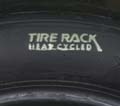
Like I said, there's a difference between what the Tire Rack calls "an easy heat cycle" (bold added) and a session on the track. Driving on the highway for 20-40 miles and then taking the tires off the car does exactly the same thing as Tire Rack's heat cycling machines, except you don't get the nifty yellow lettering stamped on the sidewalls.
Modified by nsxtasy at 10:27 AM 6/7/2006
If that's heat cycling, I guess maybe I heat cycle, too.</TD></TR></TABLE>Like I said, there's a difference between what the Tire Rack calls "an easy heat cycle" (bold added) and a session on the track. Driving on the highway for 20-40 miles and then taking the tires off the car does exactly the same thing as Tire Rack's heat cycling machines, except you don't get the nifty yellow lettering stamped on the sidewalls.
Modified by nsxtasy at 10:27 AM 6/7/2006
Honda-Tech Member
Joined: Mar 2004
Posts: 1,349
Likes: 0
From: Orange County, CA
Re: heat cycle tires on a full track car???? (nsxtasy)
<TABLE WIDTH="90%" CELLSPACING=0 CELLPADDING=0 ALIGN=CENTER><TR><TD>Quote, originally posted by nsxtasy »</TD></TR><TR><TD CLASS="quote">Driving on the highway for 20-40 miles and then taking the tires off the car does exactly the same thing as Tire Rack's heat cycling machines.</TD></TR></TABLE>
I disagree. Tirerack loads the tire more like it would me loaded in a turn. A half hour trip down the highway it not the same type of loading. A skid pad would be more like it.
I disagree. Tirerack loads the tire more like it would me loaded in a turn. A half hour trip down the highway it not the same type of loading. A skid pad would be more like it.
H-T Order of Merit
Joined: Jan 2000
Posts: 23,478
Likes: 2
From: Chicago
Re: heat cycle tires on a full track car???? (thawley)
<TABLE WIDTH="90%" CELLSPACING=0 CELLPADDING=0 ALIGN=CENTER><TR><TD>Quote, originally posted by thawley »</TD></TR><TR><TD CLASS="quote">I disagree.</TD></TR></TABLE>
I was told that by the people who work at the Tire Rack (many of whom show up at our track events in the Midwest).
<TABLE WIDTH="90%" CELLSPACING=0 CELLPADDING=0 ALIGN=CENTER><TR><TD>Quote, originally posted by thawley »</TD></TR><TR><TD CLASS="quote">Tirerack loads the tire more like it would me loaded in a turn. A half hour trip down the highway it not the same type of loading. A skid pad would be more like it. </TD></TR></TABLE>
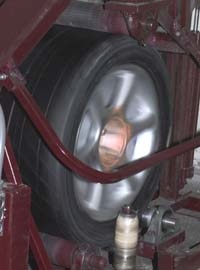
I don't know who told you that, but it's not true. The Tire Rack loads the tire with the same pressures as normally experienced on the highway, and there are no lateral forces applied.
I was told that by the people who work at the Tire Rack (many of whom show up at our track events in the Midwest).
<TABLE WIDTH="90%" CELLSPACING=0 CELLPADDING=0 ALIGN=CENTER><TR><TD>Quote, originally posted by thawley »</TD></TR><TR><TD CLASS="quote">Tirerack loads the tire more like it would me loaded in a turn. A half hour trip down the highway it not the same type of loading. A skid pad would be more like it. </TD></TR></TABLE>
I don't know who told you that, but it's not true. The Tire Rack loads the tire with the same pressures as normally experienced on the highway, and there are no lateral forces applied.
Honda-Tech Member
Joined: Mar 2004
Posts: 1,349
Likes: 0
From: Orange County, CA
Re: heat cycle tires on a full track car???? (nsxtasy)
<TABLE WIDTH="90%" CELLSPACING=0 CELLPADDING=0 ALIGN=CENTER><TR><TD>Quote, originally posted by nsxtasy »</TD></TR><TR><TD CLASS="quote">The Tire Rack loads the tire with the same pressures as normally experienced on the highway, and there are no lateral forces applied.</TD></TR></TABLE>
I did not imply that there were. But they've got to apply some dynamic load (in this case, vertical) to get the carcass to flex and generate any heat at all. A skid pad or heavy breaking would be the only way to accomplish the same thing on the highway. Vehicle weight alone ain't gonna do it.
I did not imply that there were. But they've got to apply some dynamic load (in this case, vertical) to get the carcass to flex and generate any heat at all. A skid pad or heavy breaking would be the only way to accomplish the same thing on the highway. Vehicle weight alone ain't gonna do it.