


not a honda but is this intake manifold even efficient? (experts)


Thread Starter
Honda-Tech Member
Joined: Oct 2001
Posts: 2,011
Likes: 0
From: nor cal
 not a honda but is this intake manifold even efficient? (experts)
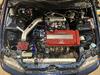
This intake manifold is on a g35 coupe and the rest of the turbo kit is greddy. Is this manifold design efficient?





Honda-Tech Member
Joined: Sep 2002
Posts: 1,790
Likes: 0
From: Greenville, S.C
Re: not a honda but is this intake manifold even efficient? (Agtronic)
what does a stock intake manifold look like for these cars??? kinda looks like they just took the plastic cover off....i dunno

Trending Topics

Honda-Tech Member

Joined: Sep 2003
Posts: 1,737
Likes: 4
From: Watertown, CT, USA
What's to stop the first couple runners from getting a bigger charge of air compared to the ones farther down. I feel like those would run leaner because they would suck as much air as they could and not leave as much for the runners farther down, thats what it looks like to me.


Honda-Tech Member
Joined: May 2004
Posts: 2,625
Likes: 0
From: Baltimore, MD, US
Re: (Turbowa)
<TABLE WIDTH="90%" CELLSPACING=0 CELLPADDING=0 ALIGN=CENTER><TR><TD>Quote, originally posted by Turbowa »</TD></TR><TR><TD CLASS="quote">Resembles the accord V6 IM pretty close. I would have to assume its efficent to some extent.</TD></TR></TABLE>
agreed
agreed

Honda-Tech Member
Joined: Feb 2002
Posts: 2,929
Likes: 0
From: Ride Naked
Re: (rextec)
<TABLE WIDTH="90%" CELLSPACING=0 CELLPADDING=0 ALIGN=CENTER><TR><TD>Quote, originally posted by rextec »</TD></TR><TR><TD CLASS="quote">i think it looks good because it seems to me that it would be evenly pressurized being that it is FI.</TD></TR></TABLE>
not too many I-4 intake manifolds are tapered
not too many I-4 intake manifolds are tapered

Member
Joined: May 2003
Posts: 2,157
Likes: 2
From: Saint Joseph, MO, USA
Re: (krustindumm)
<TABLE WIDTH="90%" CELLSPACING=0 CELLPADDING=0 ALIGN=CENTER><TR><TD>Quote, originally posted by krustindumm »</TD></TR><TR><TD CLASS="quote">
not too many I-4 intake manifolds are tapered</TD></TR></TABLE>
only all b and d series...
not too many I-4 intake manifolds are tapered</TD></TR></TABLE>
only all b and d series...


Unceasing Measure
Joined: Feb 2002
Posts: 13,088
Likes: 6
From: Columbus Ohio
Re: (stizzit)
I'd be deathly afraid of leaning out the rear two cylinders. If the air didn't have to go directly past all four other cylinders to get there it wouldn't seem like such a big deal, but it really isn't something that I'd trust on my expensive car without some serious testing data.


Joined: Jul 2004
Posts: 259
Likes: 0
From: Bakersfield, CA, USA
Re: (MidShipCivic)
You dont have to be a fluid dynamics expert (even though i have taken a few courses) to see what is happening. Anyways, im not an expert to any extent but i can tell you that each intake runner has a max flow rate. Once that is reached the air will divert to the following cylinders and so on.
So two things can happen.
1. The total air rate going in to the engine is less than the combined MAX RATING of air flow from all cylinders, so this would cause the last ones to lean out.
2. The engineers that designed this intake runner knew about this ahead of time. And made sure that each runner got its correct air flow by making sure the actual intake can pull in more than the MAX combined air flow to support all cylinders.
I put my money on number two.
So two things can happen.
1. The total air rate going in to the engine is less than the combined MAX RATING of air flow from all cylinders, so this would cause the last ones to lean out.
2. The engineers that designed this intake runner knew about this ahead of time. And made sure that each runner got its correct air flow by making sure the actual intake can pull in more than the MAX combined air flow to support all cylinders.
I put my money on number two.

Honda-Tech Member
Joined: Jan 2003
Posts: 1,104
Likes: 0
From: Los Angeles, Ca., USA
Re: (CalGSR99)
<TABLE WIDTH="90%" CELLSPACING=0 CELLPADDING=0 ALIGN=CENTER><TR><TD>Quote, originally posted by CalGSR99 »</TD></TR><TR><TD CLASS="quote">
1. The total air rate going in to the engine is less than the combined MAX RATING of air flow from all cylinders, so this would cause the last ones to lean out.
</TD></TR></TABLE>
Wouldn't the back runners run rich and the lean ones would be in the front in this case? Seeing how if the rear runners were getting less air.... with the same amount of fuel as the front runners.
1. The total air rate going in to the engine is less than the combined MAX RATING of air flow from all cylinders, so this would cause the last ones to lean out.
</TD></TR></TABLE>
Wouldn't the back runners run rich and the lean ones would be in the front in this case? Seeing how if the rear runners were getting less air.... with the same amount of fuel as the front runners.

Junior Member
Joined: Feb 2004
Posts: 48
Likes: 0
From: Irving, TX, United States
Re: (TrueNorthStar)
<TABLE WIDTH="90%" CELLSPACING=0 CELLPADDING=0 ALIGN=CENTER><TR><TD>Quote, originally posted by TrueNorthStar »</TD></TR><TR><TD CLASS="quote">
Wouldn't the back runners run rich and the lean ones would be in the front in this case? Seeing how if the rear runners were getting less air.... with the same amount of fuel as the front runners.</TD></TR></TABLE>
My thoughts exactly.
Wouldn't the back runners run rich and the lean ones would be in the front in this case? Seeing how if the rear runners were getting less air.... with the same amount of fuel as the front runners.</TD></TR></TABLE>
My thoughts exactly.

Joined: Jun 2002
Posts: 1,381
Likes: 0
Re: (stizzit)
<TABLE WIDTH="90%" CELLSPACING=0 CELLPADDING=0 ALIGN=CENTER><TR><TD>Quote, originally posted by stizzit »</TD></TR><TR><TD CLASS="quote">It's got wiggin's clamps, at $150 each, dizzzam.
Bling Bling </TD></TR></TABLE>
You gotta hook up? I thought dealers paid like 180 . . .
Bling Bling
</TD></TR></TABLE>You gotta hook up? I thought dealers paid like 180 . . .

Honda-Tech Member
Joined: Aug 2004
Posts: 4,638
Likes: 0
From: Altamonte Springs/Orlando, Florida, USA
Re: (CalGSR99)
<TABLE WIDTH="90%" CELLSPACING=0 CELLPADDING=0 ALIGN=CENTER><TR><TD>Quote, originally posted by CalGSR99 »</TD></TR><TR><TD CLASS="quote">You dont have to be a fluid dynamics expert (even though i have taken a few courses) to see what is happening. Anyways, im not an expert to any extent but i can tell you that each intake runner has a max flow rate. Once that is reached the air will divert to the following cylinders and so on.
2. The engineers that designed this intake runner knew about this ahead of time. And made sure that each runner got its correct air flow by making sure the actual intake can pull in more than the MAX combined air flow to support all cylinders.
I put my money on number two.</TD></TR></TABLE>
You can never tell by looking at things like this, how do you know they were engineers?
Modified by MidShipCivic at 9:04 PM 10/6/2004
2. The engineers that designed this intake runner knew about this ahead of time. And made sure that each runner got its correct air flow by making sure the actual intake can pull in more than the MAX combined air flow to support all cylinders.
I put my money on number two.</TD></TR></TABLE>
You can never tell by looking at things like this, how do you know they were engineers?
Modified by MidShipCivic at 9:04 PM 10/6/2004