


HELP ME !!! Methods on laying down SUPER flat clearcoat..


Junior Member
Joined: Jan 2003
Posts: 40
Likes: 0
From: KITCHENER, ON, CANADA

Clear coat smoothness also depends on the base smoothness.
If you lay the base down too dry, especailly when you're using a transparent colour, the base builds up a lot of orange peel theat you won't notice.
Then when you lay the clear on it, it has to fill the rough surface of the base, as in, take the shape of the dry basecoat. Which you might not notice until it's completely dry.
I once used a Sata RP3000 and I must say that gun is the **** for clear. It lays the clear down nice. I'm currently using a DeVilbiss GTI for clear. 20-25 psi on the gauge should give you a smoother finish.
For the first coat, I usually spray it slightly dry, so that when I lay the second coat on, I can just dump on the clear, and it can come out smoother than a factory finish.
As already mentioned, practicing new techniques is the only real way to learn to spray. We can give you only so much guidance, the rest is really what your technique is, how fast you spray, the temperature that you're spraying in, distance from the panel, flash time, etc.
Good luck.
If you lay the base down too dry, especailly when you're using a transparent colour, the base builds up a lot of orange peel theat you won't notice.
Then when you lay the clear on it, it has to fill the rough surface of the base, as in, take the shape of the dry basecoat. Which you might not notice until it's completely dry.
I once used a Sata RP3000 and I must say that gun is the **** for clear. It lays the clear down nice. I'm currently using a DeVilbiss GTI for clear. 20-25 psi on the gauge should give you a smoother finish.
For the first coat, I usually spray it slightly dry, so that when I lay the second coat on, I can just dump on the clear, and it can come out smoother than a factory finish.
As already mentioned, practicing new techniques is the only real way to learn to spray. We can give you only so much guidance, the rest is really what your technique is, how fast you spray, the temperature that you're spraying in, distance from the panel, flash time, etc.
Good luck.

Honda-Tech Member
Joined: Jun 2006
Posts: 735
Likes: 0
From: Charles Town, W Va
Re: (94_integra)
Practice FTW. It makes a big big difference when using a conventional spray gun and an HVLP gun (Texture gun as I call them). You'll have better results with a $10 cheapo gun from Harbor Freight (conventional) as opposed to a $100-200 HVLP gun. The only time it really matters is when you spend $$$ on a SATA or equivalent nice gun.
Downside of conventional guns is you waste some paint with lots of overspray & its illegal to spray isocyanate (sp) out of the gun. Just keep yourself low key and hope the EPA doesn't come knocking on your door.
Downside of conventional guns is you waste some paint with lots of overspray & its illegal to spray isocyanate (sp) out of the gun. Just keep yourself low key and hope the EPA doesn't come knocking on your door.


Honda-Tech Member
Joined: Jun 2006
Posts: 735
Likes: 0
From: Charles Town, W Va
Re: HELP ME !!! Methods on laying down SUPER flat clearcoat.. (powerflow)
<TABLE WIDTH="90%" CELLSPACING=0 CELLPADDING=0 ALIGN=CENTER><TR><TD>Quote, originally posted by powerflow »</TD></TR><TR><TD CLASS="quote">Lol, those pics are horrible. Take some real pics and focus, w/ good lighting then resize.  </TD></TR></TABLE>
12 Megapixel camera, already re sized down to 75%... didn't want to waste more time putting pictures up. I have fluorescent lights which don't operate too well in cold weather (17 degrees). Can't find the ones like the ones this guy has.
</TD></TR></TABLE>12 Megapixel camera, already re sized down to 75%... didn't want to waste more time putting pictures up. I have fluorescent lights which don't operate too well in cold weather (17 degrees). Can't find the ones like the ones this guy has.

Honda-Tech Member
Joined: Sep 2002
Posts: 2,940
Likes: 0
From: stevens point, WI, 54481
Re: HELP ME !!! Methods on laying down SUPER flat clearcoat.. (powerflow)
<TABLE WIDTH="90%" CELLSPACING=0 CELLPADDING=0 ALIGN=CENTER><TR><TD>Quote, originally posted by powerflow »</TD></TR><TR><TD CLASS="quote">Nice work on that green DC bracket. QP looks real flat and clean. </TD></TR></TABLE>
That does look good, nice work man!
</TD></TR></TABLE>That does look good, nice work man!

Honda-Tech Member
Joined: Feb 2002
Posts: 2,914
Likes: 0
Re: HELP ME !!! Methods on laying down SUPER flat clearcoat.. (snowseeker)
thanks guys it was a good job for me that was my first complete. it is my own car. But to get it where it looks like that you either need to clear cut it flat with 600 and re clear it. Or clear it 3 times with some high quality clear and cut it flat and buff it

Honda-Tech Member
Joined: Nov 2002
Posts: 985
Likes: 0
From: jacksonville, florida, u.s
Re: (TeamJDM)
Yes it takes alot of practice..
i still have trouble getting the roof and hoods to lay flat tho...
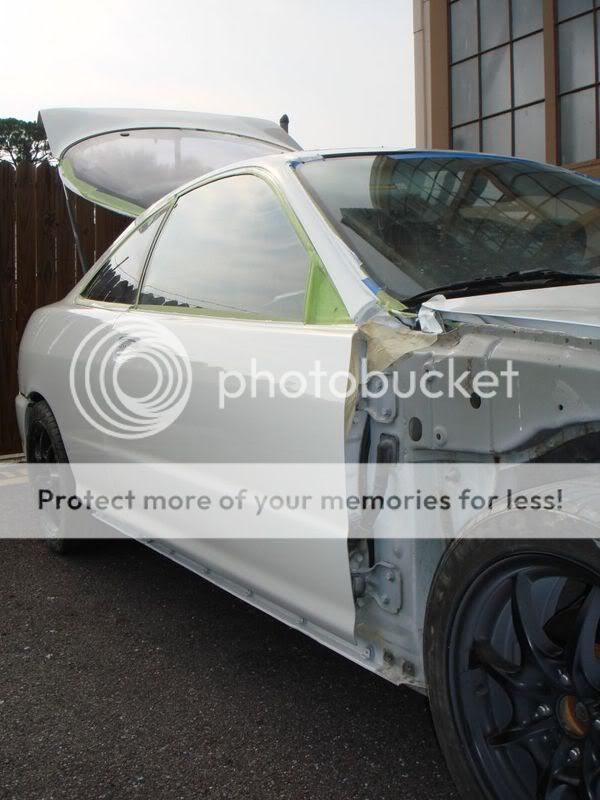
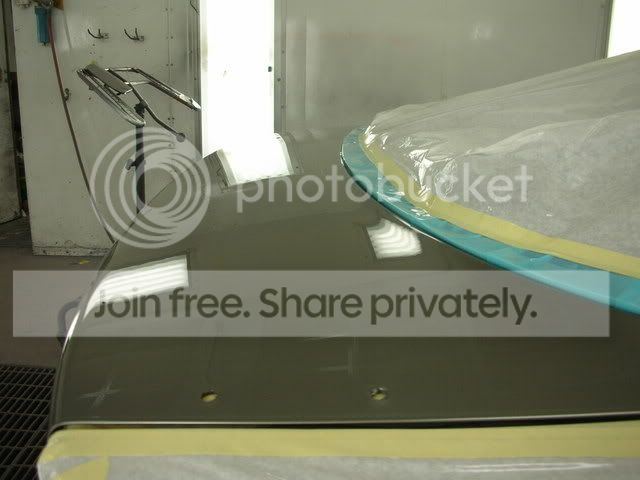
---here is a civic i did fresh out the booth (side door)---

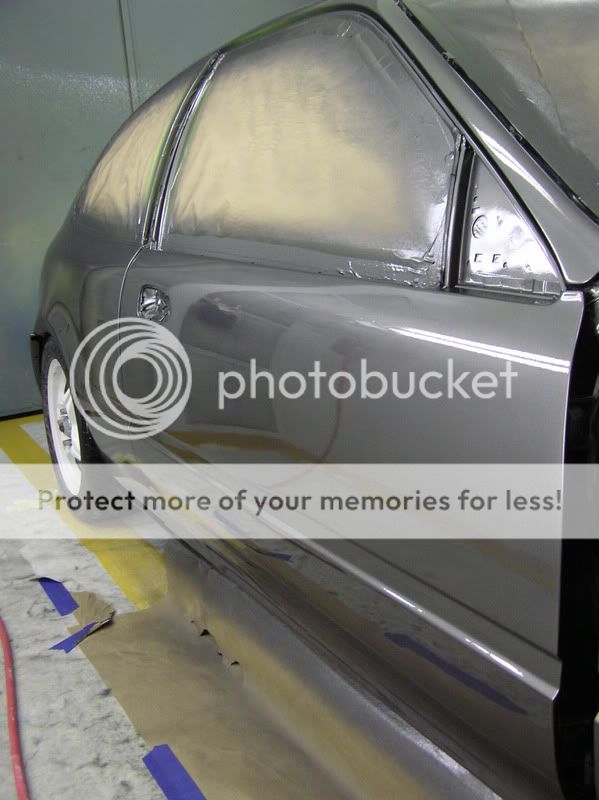
---Integra fresh out the booth---

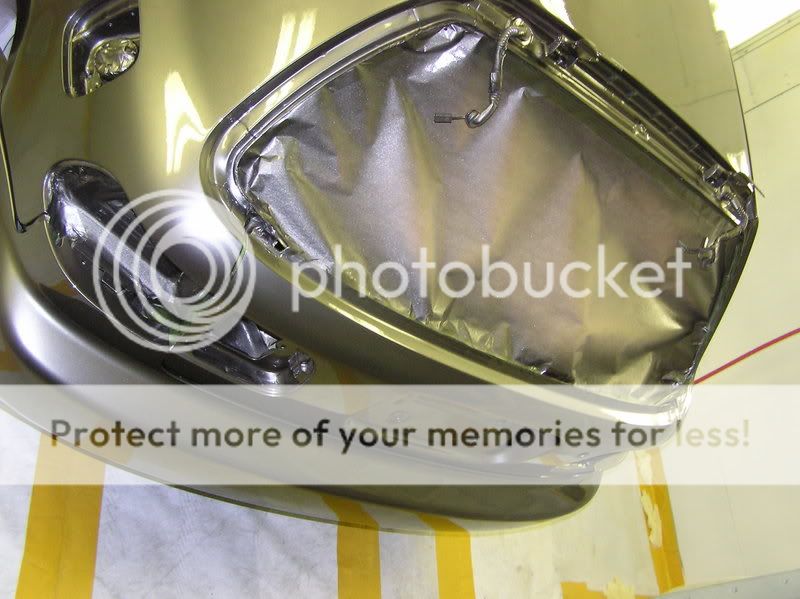
---My civic in the booth---
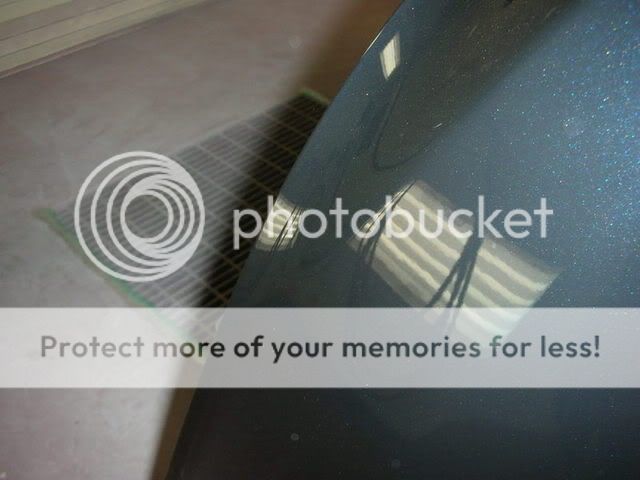
all those were done with Nason Basecoat/dupont cromabase clear..
i still have trouble getting the roof and hoods to lay flat tho...
---here is a civic i did fresh out the booth (side door)---
---Integra fresh out the booth---
---My civic in the booth---
all those were done with Nason Basecoat/dupont cromabase clear..



Honda-Tech Member
Joined: Aug 2005
Posts: 584
Likes: 0
From: Streets of Sacramento...But now living in So Cal, usa
Re: (MatrixGSR)
looks good powerflow. although every shop that i work for either uses ppg, sherwin williams, or sikken im a big RM fan. i remember i a few years back when i use to do side job i spray a 69 camaro cherry red using RM base and clear (1st time using any basf materials cause that's what the customer wanted me to use only) and that **** spray and turn out flawless!!!! i was impress how bad *** the clear was if i could remember i use the the RM DC98 clear

Thread Starter
Honda-Tech Member
Joined: Sep 2003
Posts: 423
Likes: 0
From: Santa clara
are you guys familiar with die back or die down? sometimes i have the weirdest ish happen to me.. or maybe cuz i'm high off fumes when i left the shop.. anywho i notice when i'm done painting the car looks great(not as great as these pics above of course) but then the next day when i go back to the shop the paint looks dull and not as mirror like, like the pics above.. what gives !!
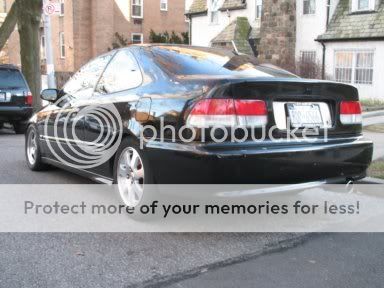
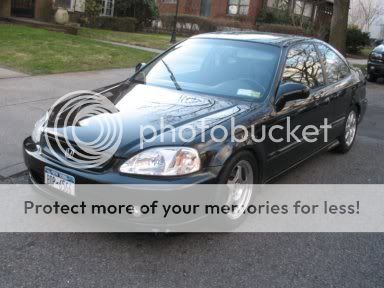
Painted Nov. 05 PPG DBU Base & Matrix MS-41? HiSolids 2-1 Clear. Whatca think of my werk and not buffed yet in this pic

Painted Nov. 05 PPG DBU Base & Matrix MS-41? HiSolids 2-1 Clear. Whatca think of my werk and not buffed yet in this pic


Honda-Tech Member
Joined: Dec 2003
Posts: 689
Likes: 0
Re: (TeamJDM)
Your experiencing die-back, loss of gloss. Semi-aggressive polishing can bring back the gloss. It can be caused by many things, lack of flash time for clear,base and/or sealer, excessive reducer, wrong temp. reducer for conditions, porous surface. In my experience, most likely is flash times when sealing and base application in a fast paced environment. Some sealers really need enough flash time, good method is to flash sealer long enough and apply 1st base coat on the slightly lighter side and extra flash time.

Honda-Tech Member
Joined: Mar 2012
Posts: 4
Likes: 0
Re: HELP ME !!! Methods on laying down SUPER flat clearcoat..
Advice on this post is very helpful....thanks......When you clear and cut with 600 then re clear for that glass smooth finish, how long do you have to wait after the first rounds of clear before cutting with 600? I will assume the clear has to cure properly before that can be done? Similar to color sanding and buffing. Thanks in advance.

Honda-Tech Member
Joined: Jan 2007
Posts: 705
Likes: 0
From: Oahu, HI
Re: HELP ME !!! Methods on laying down SUPER flat clearcoat..
Advice on this post is very helpful....thanks......When you clear and cut with 600 then re clear for that glass smooth finish, how long do you have to wait after the first rounds of clear before cutting with 600? I will assume the clear has to cure properly before that can be done? Similar to color sanding and buffing. Thanks in advance.
Honda-Tech Member
Joined: May 2011
Posts: 1,119
Likes: 0
From: Riverside CA
Re: HELP ME !!! Methods on laying down SUPER flat clearcoat..
The thing that worked best for me was after I did my mixture I just tossed a shot of reducer in it....Honestly, it made a WORLD of difference. Ive been doing it ever sense.

Honda-Tech Member
Joined: Dec 2012
Posts: 89
Likes: 0
From: Between the Lines
Re: HELP ME !!! Methods on laying down SUPER flat clearcoat..
Not for nothing but halve these pictures don't show the quality of a Real paint job! You shouldn't have to 'Re-Clear" a car if your using quality paint to begin with, and laying down the proper coats of paint/clear! (Especially for that 'smooth look'.. if your body work is on point and the paint/clear is properly laid down, WITH enough coats.. you can simply cut and buff.) I prefer wet sanding a car from 800grit to 3000 grit to get a 'show car' finish instead of going through the hassles of re blocking, washing, masking, blah blah all unnecessary!
Your paint is only supposed to be so thick anyways and I Never add reducer to my clear unless it asks for it (ie. Mipa clear which is super heavy and that's mixed 4-1-10%)
Personally, to lay down that PROPER hand of clear with factory look (minor orage peel) I just make sure my last hand of clear is laid down with a bit of more pressure. And don't rush the 1st or second hand but don't starve it either!
Your paint is only supposed to be so thick anyways and I Never add reducer to my clear unless it asks for it (ie. Mipa clear which is super heavy and that's mixed 4-1-10%)
Personally, to lay down that PROPER hand of clear with factory look (minor orage peel) I just make sure my last hand of clear is laid down with a bit of more pressure. And don't rush the 1st or second hand but don't starve it either!
Honda-Tech Member
Joined: Mar 2012
Posts: 4
Likes: 0
Re: HELP ME !!! Methods on laying down SUPER flat clearcoat..
Can someone help with this please....
I recently painted a black honda ek hatch. Skimmed the doors and back panels with a slick of filler and block sanded it down for a perfect straight finish. I then primed the entire car and block sanded with 600 and guide coat. I then layed down two coats of base followed by 3 coats of clear with flash time between coats. I layed down the clear wet. When the clear was put down it looked perfectly striaght and had that glass finish even up until later that day when the clear was touch dry.
The problem came some days later when the paint started to really cure and pull. I started to say minor ripples/waves when looked at from an angle or broadside. Also slight orange peel came out. The orange peel is not so much of a problem to me as this can easily be color sanded and buffed but its the waves and ripples that kills me. What is causing that? I know it cant be the preparation and filler work because the first couple of day the paint was dead flat and smooth glass finish. Any help would be appreciated. Thanks in advance
I recently painted a black honda ek hatch. Skimmed the doors and back panels with a slick of filler and block sanded it down for a perfect straight finish. I then primed the entire car and block sanded with 600 and guide coat. I then layed down two coats of base followed by 3 coats of clear with flash time between coats. I layed down the clear wet. When the clear was put down it looked perfectly striaght and had that glass finish even up until later that day when the clear was touch dry.
The problem came some days later when the paint started to really cure and pull. I started to say minor ripples/waves when looked at from an angle or broadside. Also slight orange peel came out. The orange peel is not so much of a problem to me as this can easily be color sanded and buffed but its the waves and ripples that kills me. What is causing that? I know it cant be the preparation and filler work because the first couple of day the paint was dead flat and smooth glass finish. Any help would be appreciated. Thanks in advance
Honda-Tech Member
Joined: Jan 2007
Posts: 705
Likes: 0
From: Oahu, HI
Re: HELP ME !!! Methods on laying down SUPER flat clearcoat..
Can someone help with this please....
I recently painted a black honda ek hatch. Skimmed the doors and back panels with a slick of filler and block sanded it down for a perfect straight finish. I then primed the entire car and block sanded with 600 and guide coat. I then layed down two coats of base followed by 3 coats of clear with flash time between coats. I layed down the clear wet. When the clear was put down it looked perfectly striaght and had that glass finish even up until later that day when the clear was touch dry.
The problem came some days later when the paint started to really cure and pull. I started to say minor ripples/waves when looked at from an angle or broadside. Also slight orange peel came out. The orange peel is not so much of a problem to me as this can easily be color sanded and buffed but its the waves and ripples that kills me. What is causing that? I know it cant be the preparation and filler work because the first couple of day the paint was dead flat and smooth glass finish. Any help would be appreciated. Thanks in advance
I recently painted a black honda ek hatch. Skimmed the doors and back panels with a slick of filler and block sanded it down for a perfect straight finish. I then primed the entire car and block sanded with 600 and guide coat. I then layed down two coats of base followed by 3 coats of clear with flash time between coats. I layed down the clear wet. When the clear was put down it looked perfectly striaght and had that glass finish even up until later that day when the clear was touch dry.
The problem came some days later when the paint started to really cure and pull. I started to say minor ripples/waves when looked at from an angle or broadside. Also slight orange peel came out. The orange peel is not so much of a problem to me as this can easily be color sanded and buffed but its the waves and ripples that kills me. What is causing that? I know it cant be the preparation and filler work because the first couple of day the paint was dead flat and smooth glass finish. Any help would be appreciated. Thanks in advance

Honda-Tech Member
Joined: Dec 2012
Posts: 89
Likes: 0
From: Between the Lines
Re: HELP ME !!! Methods on laying down SUPER flat clearcoat..
Can someone help with this please....
I recently painted a black honda ek hatch. Skimmed the doors and back panels with a slick of filler and block sanded it down for a perfect straight finish. I then primed the entire car and block sanded with 600 and guide coat. I then layed down two coats of base followed by 3 coats of clear with flash time between coats. I layed down the clear wet. When the clear was put down it looked perfectly striaght and had that glass finish even up until later that day when the clear was touch dry.
The problem came some days later when the paint started to really cure and pull. I started to say minor ripples/waves when looked at from an angle or broadside. Also slight orange peel came out. The orange peel is not so much of a problem to me as this can easily be color sanded and buffed but its the waves and ripples that kills me. What is causing that? I know it cant be the preparation and filler work because the first couple of day the paint was dead flat and smooth glass finish. Any help would be appreciated. Thanks in advance
I recently painted a black honda ek hatch. Skimmed the doors and back panels with a slick of filler and block sanded it down for a perfect straight finish. I then primed the entire car and block sanded with 600 and guide coat. I then layed down two coats of base followed by 3 coats of clear with flash time between coats. I layed down the clear wet. When the clear was put down it looked perfectly striaght and had that glass finish even up until later that day when the clear was touch dry.
The problem came some days later when the paint started to really cure and pull. I started to say minor ripples/waves when looked at from an angle or broadside. Also slight orange peel came out. The orange peel is not so much of a problem to me as this can easily be color sanded and buffed but its the waves and ripples that kills me. What is causing that? I know it cant be the preparation and filler work because the first couple of day the paint was dead flat and smooth glass finish. Any help would be appreciated. Thanks in advance
There's a bunch of different variables that can effect the outcome even months later! In this case, I have to first ask what kind if reducer did you use? (Slow medium fast) and what was the temperature of the atmosphere?
This question goes for the primer stage and painting/clearing stage.
Also if you don't let your primer cure well (atleast overnight or more) when you sand it, the 80 grit and 40 grit and all the messy stuff you meant to cover can show after, like it sucks into the poures. (Ofcourse that all should have been finished with 180 grit before primer anyways?)
It's a big equation where if you put the wrong variable you'll have the wrong finished product, but this might come out with a sand (but still shouldn't happen off rip)